
What to Take on a Rwanda Safari What to Take on a Rwanda Safari, Planning a safari in Rwanda is exciting. Rwanda is a small, green and remarkably well organized country that offers some of Africa’s most intimate wildlife encounters. From mountain gorillas in the volcanic highlands to lions and elephants on the savannah of Akagera. Preparation and packing are key, so this guide covers what to arrange, what to pack and what to know before you travel/arrive. Before You Travel Travel Documents and Visa 1.Check the validity of your passport: it should be at least six months beyond your departure date. Many countries, Rwanda included, expect your passport to remain valid for six months after you plan to leave. Check the expiry date well and it should have at least three blank pages, before you book, as this simple step prevents problems at immigration offices and with airlines. 2.Arrange your visa in advance and confirm the latest requirements. Visa rules depend on your nationality, and some travelers have visa-free entrance, while others can obtain them online, or on arrival. Visit the official Rwandan immigration website or contact the nearest Rwandan embassy or consulate to confirm what applies to you. Regulations can change, so verifying them shortly before departure helps you avoid delays at the border. 3.Keep your permits and bookings with your documents. If your itinerary includes gorilla or chimpanzee trekking, carry printed or digital copies of your permits, along with your passport, as rangers need them for verification and identification at the park centre before briefing. Trekkers must also be at least 15 years old to go gorilla tracking, so confirm age rules if you are travelling as a family. Health Precautions Speak to your doctor or a travel clinic well before departure. Ask about recommended vaccinations and preventive medication, which commonly include hepatitis A and B, typhoid and malaria prophylaxis. Yellow fever vaccination may be required if you are arriving from a country where the disease is present, so carry your certificate if you have one. Starting early gives you time to complete any multi-dose courses and reduces the risk of preventable illness. Seeking medical attention helps the doctor to advise on which activities you can participate in or leave out. Activities like gorilla , chimpanzee tracking and volcano hiking require personalities with no heart or respiratory problems and should be physically fit. Carry a basic first aid kit. Include pain relievers, anti diarrhoeal tablets, antiseptic wipes, plasters, insect repellent and any prescription medication you take, ideally in its original packaging with a copy of the prescription from the doctor. With these essentials you can deal with minor problems quickly and keep enjoying your trip. Travel Insurance Buy comprehensive travel insurance before you go. Choose a policy covering medical emergencies, trip cancellation and lost or stolen belongings. If you plan to trek gorillas or chimpanzees, confirm that your policy covers hiking at altitude and, ideally, emergency evacuation. However, most rental companies in Rwanda do not offer full insurance. Read the rental agreement carefully and ask where you feel is not clear before signing it. Good insurance lets you focus on the experience rather than on what might go wrong. Currency and Payments The Rwandan franc (RWF) is the official currency. Carry some local cash for small purchases such as snacks, souvenirs, tips and local transport, because cards are not accepted everywhere, especially outside Kigali. Exchange money at banks or authorized bureaux. Inform your home bank about your travel dates so your cards are not blocked for unusual overseas activity. What to Pack Clothing and Gear Pack lightweight, comfortable layers in neutral colours. Rwanda’s climate is mild, but temperatures vary widely: Kigali is pleasantly warm, while the highlands around Volcanoes and Nyungwe can be cool, damp and chilly in the early morning and evening. Bring breathable long-sleeved shirts and trousers, a warm fleece and a waterproof jacket. Long sleeves also protect against the sun and insect bites. Please note that camouflage clothing is not permitted in Rwanda, so leave it at home. Bring sturdy, closed shoes with good grip. Gorilla and chimpanzee treks and volcano hikes often take travellers cross steep, muddy and uneven forest trails. Waterproof hiking boots, long socks and a pair of light gardening gloves for grabbing vegetation make the trek safer and more comfortable. Closed shoes are also advisable for walking safaris and nature walks. Protect yourself from the sun. At high altitude and near the equator the sun is strong even on cloudy days. Pack a wide-brimmed hat, sunglasses and high-SPF sunscreen, and reapply often during game drives and outdoor activities. Pack a small daypack with essentials. A light waterproof daypack keeps your water, snacks, rain jacket, camera and sunscreen within reach on long treks and game drives. A rain cover or dry bag protects your electronics from sudden showers, which are common in the highlands. Take binoculars and a good camera. Binoculars bring distant birds and wildlife into closer view, and Rwanda is a superb birding destination. Bring a camera with spare batteries and memory cards so you never miss any moment that requires photography. In low forest light, a camera that performs well in dim conditions is helpful but remember that flash photography is not allowed when viewing gorillas and chimpanzees. Luggage Choose soft-sided luggage. Soft bags, such as a duffel bag, are easier to handle and fit more easily into safari vehicles than rigid suitcases. Also remember that Rwanda has banned plastic bags, and they may be confiscated at the airport, so carry reusable or cloth bags for your belongings. Electrical Adapters Rwanda uses Type C and Type J sockets at 230 volts. Bring a suitable universal adapter for your phone, camera and other devices. Charging points can be limited in remote lodges, so a power bank is a sensible addition. Good to Know Before You Arrive Local Customs and Etiquette Learn a few words of Kinyarwanda. English, French and Kinyarwanda are widely spoken, so this is optional, but […]
Author Archives: admin
Sep
4-Days Golden Monkey & Gorilla Safari — Rwanda 4-Days Golden Monkey & Gorilla Safari, Rwanda, the “Land of a Thousand Hills,” offers one of Africa’s most rewarding short safaris. In just four days, you can trek face-to-face with endangered mountain gorillas, track playful golden monkeys through bamboo forests, immerse yourself in local Rwandan culture, and explore the volcanic landscapes of Volcanoes National Park — all within easy driving distance of Kigali. This itinerary is ideal for travellers with limited time who still want a complete, authentic wildlife and cultural experience. Self-drive or chauffeur-driven 4×4 rentals are the perfect way to cover the roughly 2–3-hour route between Kigali and Musanze/Kinigi comfortably, with the flexibility to stop for photos and local markets along the way. Trip highlights Day 1: Kigali Arrival ➔ Kigali City Tour ➔ Drive to Volcanoes National Park Day 2: Morning Mountain Gorilla Trekking ➔ Afternoon Cultural Village Visit Day 3: Morning Golden Monkey Tracking ➔ Twin Lakes Excursion or Rest Day 4: Drive Back to Kigali ➔ Souvenir Shopping ➔ Airport Departure Detailed Itinerary Day 1: Arrival in Kigali ➔ City Tour & transfer to Volcanoes National Park Arrive at Kigali International Airport, where your rental company representative and 4×4 vehicle will be waiting. Or the driver-guide will meet you at your hotel in Kigali. If a self-drive trip, complete the rental procedures like signing the rental agreements, briefing about the vehicle and making payments. Spend the morning to afternoon hours exploring Kigali: visit the Kigali Genocide Memorial for a moving historical perspective, stroll through the Kimironko Market for local crafts and produce. After lunch, begin the scenic 2.5–3-hour drive north to Musanze (Ruhengeri), gateway to Volcanoes National Park, passing terraced hillsides and volcano views along the way. Check in to your lodge in the evening. Accommodation: Luxury: One&Only Gorilla’s Nest, Singita Kwitonda Lodge Midrange: Five Volcanoes Boutique Hotel, Da Vinci Gorilla Lodge Budget-Friendly: Amakoro Songa Lodge, Tiloreza Volcanoes Ecolodge Day 2: Mountain Gorilla Trekking & Afternoon Cultural Village Visit Rise early for briefing at the park headquarters before setting off with rangers to track one of the habituated gorilla families. Trekking time varies from 1 to 6 hours depending on the family’s location, through forest and bamboo slopes. The hike rewards with an unforgettable hour spent observing gorillas in their natural habitat. In the afternoon, visit and relax at the Iby’Iwacu Cultural Village, a place where former poachers and local performers showcase traditional dance, music, herbal medicine practices, and daily Rwandan village life. This is an educative, meaningful, community-supporting experience. Accommodation: Luxury: One & Only Gorilla’s Nest, Singita Kwitonda Lodge Midrange: Five Volcanoes Boutique Hotel, Da Vinci Gorilla Lodge Budget-Friendly: Amakoro Songa Lodge, Tiloreza Volcanoes Ecolodge Day 3: Golden Monkey Tracking & Twin Lakes Excursion or Relaxation. After breakfast, head back into Volcanoes National Park for a lighter, shorter trek that typically lasts for 1–4 hours- golden monkey tracking. golden monkeys are another group of endangered, highly active species found only in the Virunga bamboo forests. Watching them leap through the canopy makes wonderful contrast to the previous day’s calm gorilla encounter. In the afternoon, choose between two options: a scenic excursion to the Twin Lakes (Burera and Ruhondo) for boat rides, canoeing, and panoramic viewpoints, or a relaxed rest afternoon at your lodge to unwind by the fire or enjoy spa facilities as you reflect on the primate encounters. Accommodation: Luxury: One Only Gorilla’s Nest, Singita Kwitonda Lodge Midrange: Five Volcanoes Boutique Hotel, Da Vinci Gorilla Lodge Budget-Friendly: Amakoro Songa Lodge, Tiloreza Volcanoes Ecolodge Day 4: Drive Back to Kigali, Souvenir Shopping & Airport Departure Enjoy a leisurely breakfast before the scenic drive back to Kigali. Depending on your flight time, stop in Kigali for last-minute souvenir shopping, reach out to a craft centre for handwoven baskets, and other local art that makes excellent gifts, later transfer to Kigali International Airport for your departure flight. If you are a self drive visitor, meet your rental company representative to return the vehicle before departure. Inclusions Airport pick-up and drop-off 4×4 vehicle rental with experienced driver-guide (or self-drive option available) Fuel and road tolls for the itinerary route 3 nights’ accommodation and meals Kigali city tour with entrance fees (Genocide Memorial, market visit) 1 Gorilla trekking permit 1 Golden monkey tracking permit Iby’Iwacu Cultural Village entrance fee Bottled water during transfers All applicable government taxes Exclusions International flights Rwanda visa fees Optional activities -Twin Lakes boat/canoe activity fees (optional add-on) Tips and gratuities for guides, porters, and trackers Personal Travel and health insurance Personal expenses (souvenirs, laundry, phone/internet) Porter fees during treks (optional but recommended)
Sep
Golden Monkey Trekking for the Elderly: A Gentle Primate Adventure in the Virunga Mountains Golden monkey trekking is often overlooked in favor of its more famous cousin, gorilla trekking, yet it is one of the most rewarding and accessible primate experiences in East Africa. For senior travelers who want a genuine encounter with wildlife without the strenuous demands of a full-day hike, golden monkey tracking offers the perfect middle ground: shorter trails, gentler terrain, and an hour spent watching one of Africa’s most animated and colorful primates leap through bamboo forest. With the right planning, appropriate pacing, and adequate support, elderly travelers can enjoy this experience comfortably and safely. Where Golden Monkeys Can Be Found Golden monkeys are endemic to the Virunga Massif, a chain of volcanoes shared by Rwanda, Uganda, and the Democratic Republic of Congo. The two parks that offer organised golden monkey tracking experience for visitors are: Volcanoes National Park, Rwanda – located in the northwest of the country near the town of Kinigi. This park is home to two habituated troops, the largest commonly spotted on the slopes of Mount Sabyinyo with about 100 individuals. Mgahinga Gorilla National Park, Uganda – found in the far southwest of Uganda, close to the borders with Rwanda and the DRC. This park also holds two habituated troops. Mgahinga National Park additionally offers a longer, four-hour habituation experience for visitors who want a deeper interaction. Both parks provide a moderate altitude for golden monkey trekking compared to the gorilla trekking zones, the golden monkey habitat is usually closer to the park borders, so the trekking trails are shorter and give quick access to the monkeys. How the Experience Is Done Trekking begins early in the morning with registration at the park headquarters, usually by 7:00 a.m. Visitors are grouped, given a briefing on park rules and monkey behavior, then driven a short distance to the trailhead. In Rwanda, tracking starts at Kinigi park centre and In Uganda treks start from Ntebeko gate, From the starting point, guides and trackers lead the group into the bamboo forest, where the trackers have typically already located the troop the same morning. Once the group locates the monkeys, visitors are given a full hour to observe, photograph, and enjoy their playful antics before returning to the trailhead. If you opt for the golden monkey habituation experience in Uganda, your presence and interaction with the animals will last for four hours. For elderly travelers, and anyone with mobility concerns , they are advised to discuss options with their tour operator in advance. What Should Elderly Travelers Consider? The most important consideration is not age alone but mobility, stamina and comfort on uneven terrain. Older travelers should honestly assess how comfortably they can walk uphill, negotiate muddy ground and remain on their feet for several hours. It is advisable to tell the tour operator about mobility limitations before booking. This allows the operator to arrange appropriate guides, porters, transport and other assistance. Rwanda has specific provisions for travelers requiring additional accessibility support. Visit Rwanda states that park staff can assist lesser-abled visitors and, where necessary, provide strong physical support or a stretcher for people who cannot walk. However, accessibility arrangements should be confirmed in advance rather than assumed to be automatically available for every golden monkey trek. Older travellers should also consider altitude. Volcanoes National Park lies in a high mountainous environment, and the combination of elevation, cool temperatures and physical activity can make the trek feel more demanding than an ordinary walk. Equipment and Assistance Required for elderly travellers. Elderly trekkers are strongly encouraged to prepare with the following: A walking stick – available and given out freely at the park headquarters, and genuinely useful to remain firm as you hike. Porters – These are members of the local community who can be hired at the trailhead to carry daypacks and, when needed, offer a steadying hand or arm on difficult sections. They also help carry the disabled trekkers on stretchers or sedan chairs. Hiring a porter is not expensive but directly supports the local community. Sturdy, closed hiking shoes or boots with good ankle support and grip. Layered clothing – long trousers, a light waterproof jacket, and a warm layer for cooler mornings, since weather in the Virungas is un predictable. Gardening gloves to protect hands from stinging nettles and touching thorny vegetation. A hat, sunscreen, and insect repellent. Drinking water and a light snack to keep you hydrated and energized. Personal medication, carried in an easily accessible pocket. People who use a walker at home or get tired quickly on inclined grounds should let the tour company know when placing their bookings so that they can assign a patient guide and, if possible, plan a route to the closer troop. What to Expect During the Trek The forest floor is often soft and shaded by dense bamboo, with occasional stinging nettles along narrow paths. Guides set a measured pace and pause frequently, both to check the group’s comfort and to listen for the troop’s movement. Golden monkeys are highly active and rarely stay still, so the hour spent with them is full of movement: monkeys leaping between bamboo stalks, feeding, grooming, and interacting within their large troop. Because they are considerably more numerous and mobile than gorillas, sightings are lively but require a bit of neck-craning and patience with shifting camera angles. After the encounter, the group retraces its steps to the trailhead, where vehicles wait to return everyone to the park headquarters. How to Book the Golden Monkey Trek for the Elderly Permits are limited and should be booked well in advance, ideally two to three months ahead during peak season. In Rwanda, permits are issued through the Rwanda Development Board, while in Uganda they are issued through the Uganda Wildlife Authority. Most senior travellers book through a licensed tour operator, who can: Arrange the permit on the traveller’s behalf. Select a troop known to range close to the trailhead. Provide a private […]
Sep
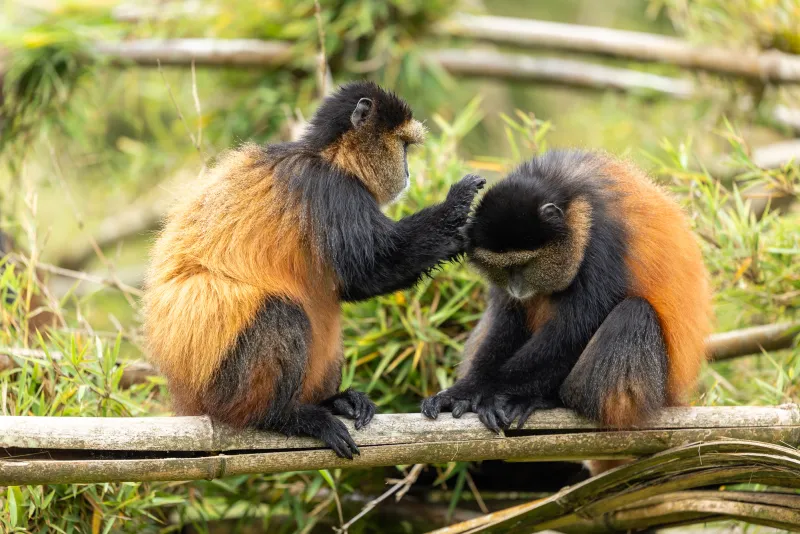
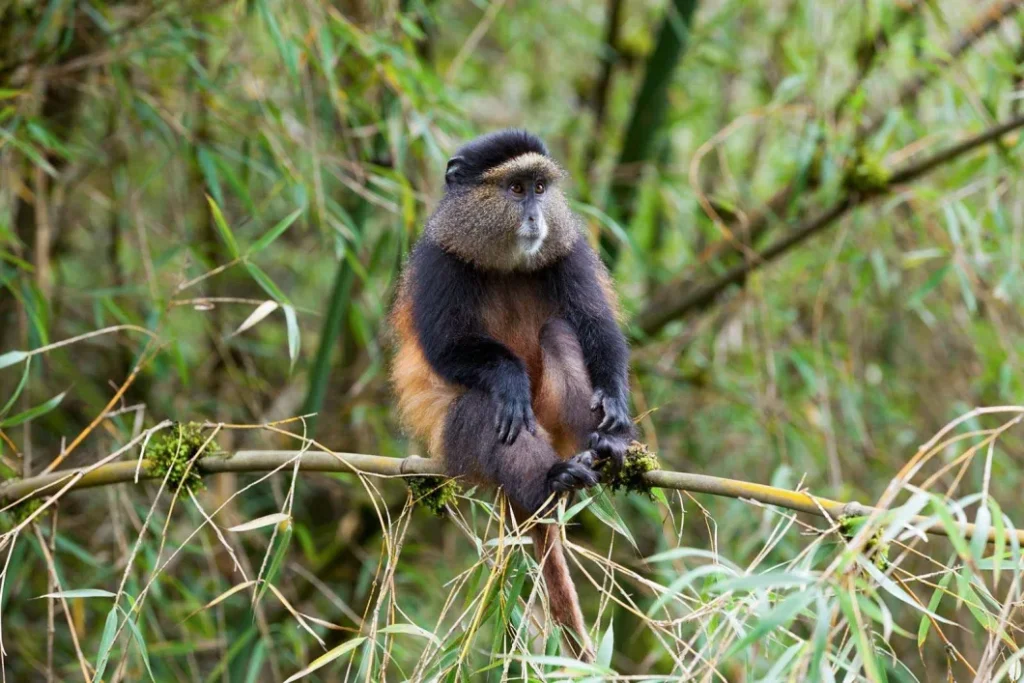
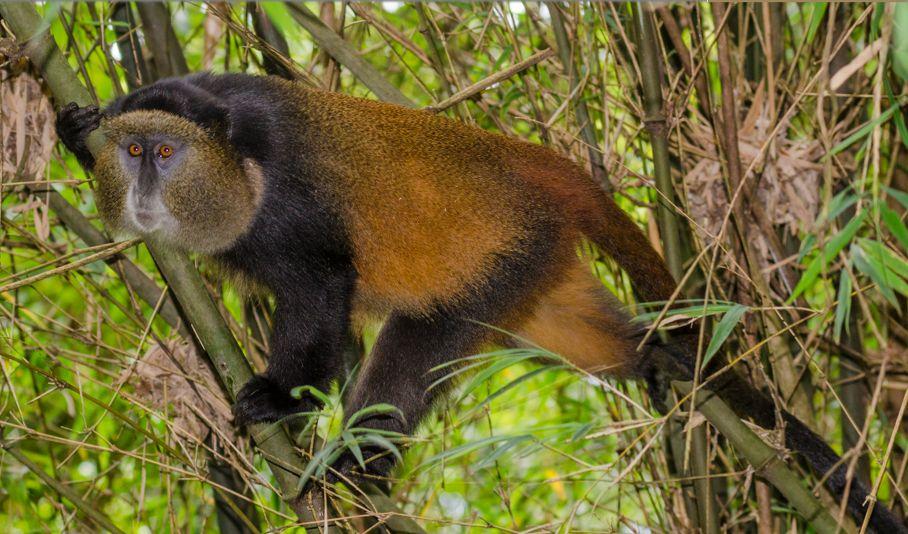
The Ultimate Guide to Golden Monkey Tracking in Volcanoes National Park- Rwanda. When you ask for what draw most travelers to Rwanda’ volcanoes National Park, the most common answer always the mountain gorillas. But tucked in the same misty bamboo forested zones of the Virunga Massif lives another specie of endangered primate that many visitors end up loving just as much, if not more: the golden monkeys. Playful, agile, endlessly curious, energetic, and their bodies covered with orange and black fur that seems to glow when sunlight cuts through the canopy- golden monkeys are one of Rwanda’s best-kept adventure secrets. Golden monkey trekking in Rwanda takes place in Volcanoes National Park, northwest of the country, and it offers something gorilla trekking can’t quite match: speed, energy, and a troop that never sits still for long. If you’re planning a primate safari in Rwanda, this guide walks you through everything you need to know before you embark on this moderate forest hike, another opportunity to support Rwanda’s conservation efforts. Where are Golden Monkeys found? Golden monkeys (Cercopithecus kandti) are sub species of the blue monkey and are endemic to the Albertine Rift, found only in the Virunga volcanic massif- a chain of eight volcanoes straddling Rwanda, Uganda, and the Democratic Republic of Congo. In Rwanda, the golden monkeys find refuge in the bamboo and montane forests of Volcanoes National Park, mainly on the lower slopes of Mount Sabyinyo, Mount Gahinga, and Mount Bisoke, where dense bamboo groves provide both cover and are their favourite meal. Golden monkeys live in family units of 10 to 15 individuals but at times can congregate to form much larger troops of several dozens. According to 2017- 2018 research in Volcanoes national park, an estimate of 4626 golden monkeys was discovered thriving and relatively stable in the habitat. Two troops of these endangered primates in the park have been habituated for tourism, each numbering close to a hundred individuals, which makes sightings almost guaranteed and gives you a real chance to watch complex social behaviour unfold in front of you rather than catching a fleeting glimpse. Habituated golden monkey families in Volcanoes National Park: Kabatwa Group: This is the first of the two golden monkey groups-ever monitored and studied in Rwanda. It was named after the hill where it was first identified. This group is usually spotted in at the foothills of Mount Sabinyo, always dynamic with 80 to 100 members and is actively studied by conservation groups mainly the Dian Fossey Gorilla Fund. Musongo Group: This is another habituated golden monkey group in Volcanoes national park, comprising of roughly 100 members and commonly spotted on the slopes of Mount Sabinyo and Mount Karisimbi. Other places to find golden monkeys Outside Rwanda, small populations of golden monkeys survive in Uganda’s Mgahinga Gorilla National Park and in Congo’s Virunga National Park, but Rwanda offers by far the most reliable and well-managed trekking experience of the three. Nevertheless, the species remain vulnerable because of limited habitat which at times faces pressures like bamboo harvesting, firewood collection and other human activities. The Golden Monkey Trekking Procedure Your adventure day begins with an early, registration at the park headquarters at Kinigi, park headquarters of Volcanoes national park, where all trekkers are expected to report at 7:00 am, gather for a briefing from park rangers, covering park rules, trekking etiquette, and safety guidelines. A maximum of 16 visitors is permitted per troop in Rwanda, and you’ll be assigned a guide and armed ranger to lead you through the adventure. From headquarters, a short drive brings you to the trailhead nearest that day’s known troop location. Trackers head out ahead of the main group at dawn to locate the monkeys, so by the time you set off walking, your guide usually has a rough idea of where to head. The hike itself is generally gentler than gorilla trekking, taking anywhere from 30 minutes to two hours through farmlands, forest edge, and bamboo thickets, though the terrain can be muddy and an altitude that requires a reasonable level of fitness. Sturdy hiking boots, a rain jacket, and gardening gloves for grabbing at vegetation are worth including to your pack. Once you locate the troop, you’re allowed to spend one hour observing and following them. Because golden monkeys move constantly through the bamboo, feeding, chasing each other, and leaping between branches, your ranger will guide you on how to stay close to the action while keeping a respectful distance, for both your protection and the monkeys. At times these monkeys move high in bamboo, so cameras with zoom lens and binoculars make your photography the best. The experience is worth the cost. How Golden Monkeys Communicate One of the most fascinating aspects of golden monkey tracking is listening to the forest come alive with their calls. Golden monkeys are highly social animals that live in large, troops, and mainly rely on a rich mix of vocal calls, facial expressions, and body postures to keep the group coordinated. Alarm calls warn troop members of approaching danger, such as birds of prey or other predators, while softer contact calls help individuals stay in touch as they forage across a wide area of forest. Besides communication through sound, grooming is equally an important communicative role, reinforcing social bonds, resolving tension between individuals, and maintaining the hierarchy within the troop. Younger monkeys communicate constantly through play, chasing, wrestling, and mock fighting, behaviour that both strengthens social ties and sharpens the skills they’ll need as adults. This social behaviour is the main reason the experience feels so lively and breathtaking. Diet and Feeding behaviour Bamboo is the backbone of the golden monkey’s diet, and it’s the main reason they’re so closely tied to the specific forest zones where it grows. With scientific research by the Virunga groups, bamboo leaves make up 75 – 87% of the golden monkey diet. They feed primarily on young bamboo shoots and leaves, supplementing this with fruits, flowers, seeds, and occasionally insects. They […]
Sep
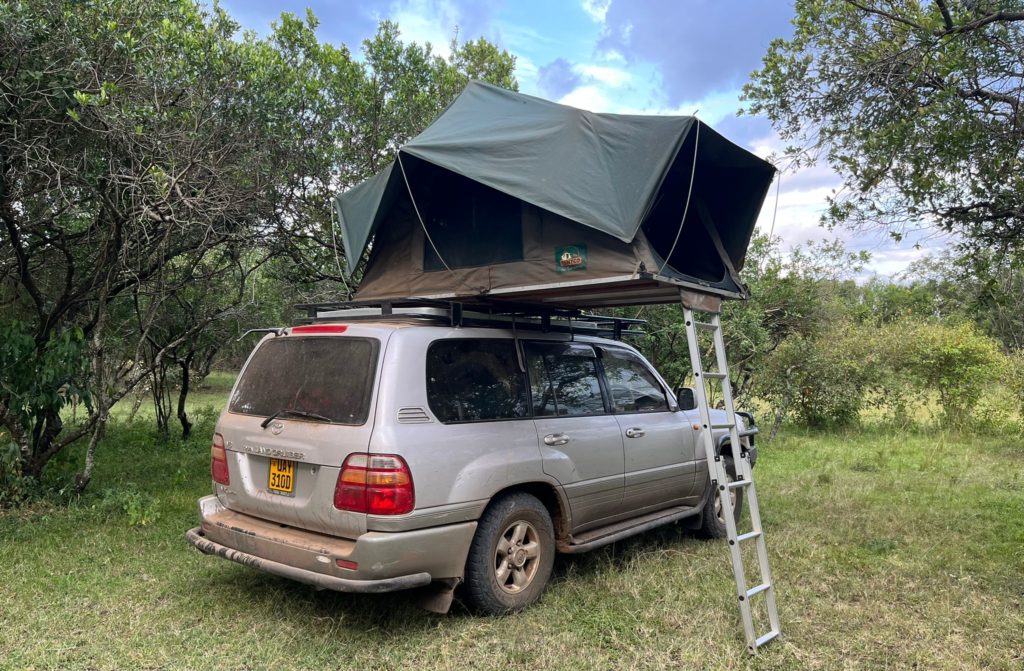
How to save on Car Hire in Rwanda Rwanda is a small country with the most rewarding scenery. In a few hours you can reach out different parts of the country with ease, drive from the capital- Kigali to the misty slopes of Volcanoes National Park, to the savannas of Akagera national park, Nyungwe national park or south to the shores of Lake Kivu. Renting a car is one of the best ways to see all of this at your own pace. But car hire costs can add up quickly if you don’t plan well. Fuel, insurance, permits, and daily rates all play a part in your final bill. This guide walks you through simple, practical tips to help you save money on your next car hire in Rwanda, without cutting corners on safety or comfort. Consider booking early Rental companies in Rwanda often charge highly for last-minute bookings, especially during the dry seasons (June to September and December to February) when tourist numbers rise for most activities that are sought after by most travellers. Booking weeks or months ahead usually gets you better rates and a wider choice of vehicles. It also gives you time to compare prices calmly instead of accepting the first offer you see at the airport. Compare local and international providers International rental brands are convenient, but local Rwandan car hire companies often charge lower daily rates for the same type of vehicle. Local companies also tend to know the roads better and can advise you on routes, fuel stops, and current road conditions. Get quotes from at least two or three providers before you decide. Look closely at what is included in the price, since a slightly higher quote with fuel and insurance built in can end up cheaper than a “bargain” rate with extra charges added later. Choose the right vehicle for your trip Renting a large 4×4 for a trip that only needs a small saloon car wastes money on fuel and daily hire fees. If you plan to stay mainly in Kigali or travel on paved roads between major towns, a compact or standard sedan is usually enough. If you’re heading to Volcanoes National Park, Nyungwe Forest, or other areas with rougher roads, a 4×4 is worth the extra cost for safety, comfort, and reliability. Matching the car to your actual route, rather than renting the biggest option is the easiest way to cut costs. Consider long term rentals. Many rental companies offer lower/ discounted daily rates for weekly, monthly or longer bookings compared to short rentals that last for less than a week. If your trip includes several days of driving, ask about weekly pricing even if you’re not sure you’ll use the full week. The savings per day on long term rentals can be significant, and having the vehicle for longer also gives you flexibility to change your plans without extra booking fees. Understand the fuel policy Fuel is one of the biggest hidden costs in car hire. Always ask whether the rental comes with a “full-to-full” policy, where you return the car with the same fuel level it had at pickup. This is usually the cheapest option, since prepaid fuel plans often charge more per litre than local pump prices. If you are self driving, fill your fuel tank in the big towns before getting into savanna parks for game drives or getting into deep rural areas. Avoid returning the car with less fuel than agreed, as some companies charge a premium to refill it themselves. Compare Self-Drive and Chauffeur-Driven Hire Self-drive is generally cheaper on paper but comes with hidden costs. Rwanda’s roads can be steep, narrow, and unfamiliar to visitors, especially outside Kigali. A chauffeur-driven car costs more per day but can save you money overall by avoiding wrong turns, fines, any worries any about navigation, which can lead to costly excess charges. Before choosing the type of hire you wish to have, compare the advantages of either side for a safer and comfortable exploration. Understand the insurance policy. Basic insurance is usually included in the rental price, but it often comes with a high excess (the amount you pay out of pocket if there is an accident). Many companies offer reduced-excess or full-cover insurance for an extra daily fee. While this adds to the cost upfront, it can save you a large, unexpected payment if something goes wrong, especially on Rwanda’s winding mountain roads. Read the insurance terms carefully and choose the level of cover that matches how much risk you are comfortable carrying yourself. Analyse the Airport pickup charges Picking up a car directly at Kigali International Airport is convenient, but airport locations often carry a surcharge compared to city-centre offices. If your hotel offers a shuttle or is a short taxi ride from the airport, consider collecting your rental car from a city branch instead. The taxi fare is often much lower than the airport pickup fee. Read the Contract for Hidden Charges Before you sign anything, check the mileage limit (some rentals cap free kilometres and charge extra beyond that), the cancellation policy, and any cleaning or late-return fees. Take clear photos or a short video of the car’s condition at pickup, including any existing scratches, so you’re not billed for damage you didn’t cause. A few minutes of care here can prevent a large, unexpected charge later. Travel in the shoulder season. The peak season (June to September) pushes up demand for both cars and gorilla permits. If your travel dates are flexible, consider visiting during the shoulder months, just before or after the peak dry seasons. Buring these months, the roads and weather are still manageable, rental prices and availability are usually better because fewer tourists are competing for the same vehicles.

Sep
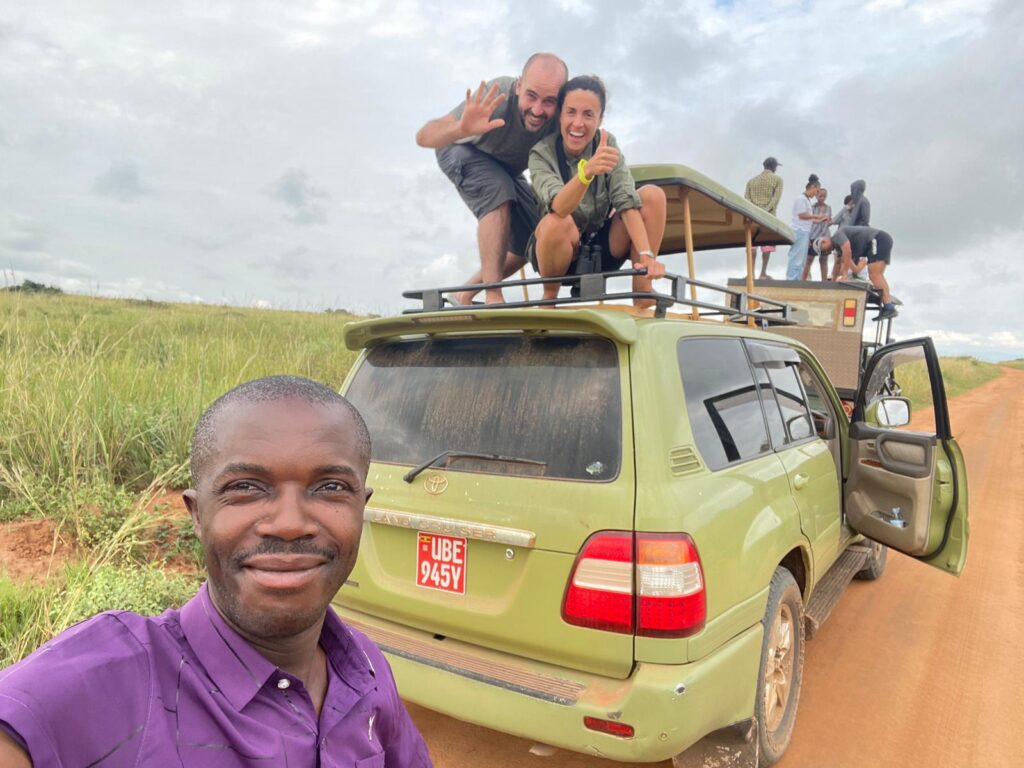
How to Make the Most of your Car Rental experience in Rwanda Rwanda is known as the Land of a Thousand Hills, and there is no better way to see those hills than from behind the wheel of your own or rented safari vehicle. Renting a car gives you the freedom to move at your own pace and explore places that buses and organized tours often skip. From the misty mountains of Volcanoes National Park to the calm shores of Lake Kivu and the busy streets of Kigali, a rental car opens up the whole country to you. Rwanda’s main roads are generally well surfaced, while some smaller roads can be rough, especially during the rainy season. However, renting a car is far from simply picking up a vehicle and starting your journey. Choosing the right car, understanding local road conditions and planning your routes can make your trip safer, easier and more enjoyable. This article explains, in clear and simple terms, how to get the most out of your car rental experience in Rwanda. Choose the right vehicle for your trip Not every car suits every journey. Your vehicle choice largely determines the beauty and convenience of your experience. Therefore, before placing your booking, think about the places you wish to visit and number of people traveling with you. Fuel consumption, size of the vehicle to fit all your luggage and comfort must also be considered. If you plan to stay mainly in Kigali city, a small sedan is enough and will save you fuel. But if you plan to visit national parks, rural villages, or areas with rough roads, a four-wheel-drive (4WD) vehicle is a better choice. Roads leading to places like Nyungwe Forest or Volcanoes National Park can be steep and unpaved in some sections. Picking the right vehicle from the start means less on no problems hence a smoother trip. Book in advance Rwanda’s tourism industry has rapidly grown, especially concerns around gorilla trekking and wildlife tourism, this calls for vehicle advance bookings good, particularly during the dry seasons from June to September and December to February. Booking your car a few weeks or months ahead gives you more choice, better prices, and time to ask questions about the vehicle and have a clear route plan. Decide between Self-Drive and a rental with a driver In Rwanda, you can either drive yourself or hire a car together with a professional driver. Self-driving gives you full control and independence. However, hiring a driver has real advantages too. Local drivers know the roads, understand traffic rules, and can act as informal guides, pointing out interesting places along the way. If you are new to Rwanda or not used to driving on hilly, winding roads, a driver can make your trip safer, comfortable and more relaxing. Understand local driving rules Rwanda drives on the right-hand side of the road, and traffic laws are strictly enforced. Speed limits are respected, seatbelts are required for everyone in the car, speed cameras at several spots, and using a phone while driving is not allowed. Rwanda is also known for being one of the cleanest and most orderly countries in Africa, and this shows in how seriously traffic rules are followed. Before you drive, take a few minutes to learn the basic road signs and speed limits so you avoid fines, protect yourself, and other road users for safety. If you are not sure of any traffic rule, ask your rental company before starting your trip. Check the car thoroughly before you leave Before driving off with your rental car, take time to inspect it carefully. Check the tires, brakes, lights, and mirrors. Make sure there is a spare tire and a jack in the trunk. Take photos of the car from different angles, noting any existing scratches or dents. Take photographs or videos of the car before departure, especially of any existing damage This simple step protects you from being blamed for damage that was already there and gives you peace of mind throughout your trip. Plan your route with fuel stops and leave room for delays. While Kigali has many fuel stations, rural areas can have fewer options, especially near national parks. Before setting out on a long drive, fill your tank and, if possible, carry some extra fuel in cans for remote areas, especially if you are heading toward places like Akagera National Park or the Congo-Nile Trail. Taking stops at some viewpoints like local markets, restaurants and cultural centres makes you trip more adventurous. Travelling by car is a convenient way to explore the country and connect different destinations and national parks. Carry the right personal and vehicle documents. Always carry your driving license, passport, and rental agreement with you when driving in Rwanda. If you are a foreign visitor, an International Driving Permit is often required alongside your national license. Police checkpoints are common on major roads, and having your documents ready makes these stops quick and stress-free. Respect the Roads and the Weather Rwanda’s hilly landscape means roads often have sharp bends and steep slopes. During the rainy seasons, from March to May and October to November, some roads can become slippery or muddy. Drive slowly on these roads, especially in the evening or during heavy rain. Being patient and cautious, rather than rushing, will keep you and other road users safe. Respect Rwanda and its communities A road trip is also an opportunity to experience Rwanda beyond its major tourist attractions. Your trip may take you through villages, farming communities and small towns. Drive respectfully through these areas. Slow down near homes, schools and markets, avoid unnecessary horn use, and respect other road users. Take care when stopping to take photographs. Avoid taking photos of natives without their permission and always respect local people and their property. Travelling responsibly makes the experience better not only for visitors but also for the communities they meet. Explore Beyond the most popular attractions. Many visitors focus only on […]
Sep
The Benefits of hiring a car with a Driver in Rwanda Rwanda is a country best experienced with your eyes on the scenery, not on the road. Between the winding hills, the busy city streets of Kigali, and the long stretches to the national parks, getting around can be a lot to handle if you’re not familiar with the terrain. That’s why so many visitors — and even locals — choose to hire a car with a driver instead of getting behind the wheel themselves. A chauffeur-driven car takes away the guesswork. You don’t have to think about fuel, parking, insurance add-ons, or which road actually leads where. Someone else handles all of that while you sit back and take in the “land of a thousand hills.” Below, we break down the real benefits of choosing a car with a driver for your time in Rwanda. Get to Enjoy the Trip- have a stress-free experience. When you’re driving, your attention has to stay on the road — the traffic, the turns, the road signs. That means you miss a lot of what makes Rwanda special: the terraced hillsides, the tea plantations, the forests, wonderful moments of the scenic land scapes and photography. With a driver handling the car, you’re free to look around, take photos, chat with the people you’re traveling with, enjoy a snack along the way and no worries about missing a turn or drifting into the wrong lane. The drive itself turns out to be part of your adventure. Chauffer’s have expertise -benefit from local knowledge. Drivers who work with car hire companies aren’t just anyone with a license. They’re usually seasoned professionals who’ve spent years learning the roads that lead to different tourism destinations, from the paved highways to the narrower, tricky routes heading to rural areas or up towards the nature parks. They often provide useful information about local communities, landscapes, wildlife, culture, and everyday life that you might miss of you opt for self drive. Drivers know how to handle unpredictable traffic, sudden weather changes, and the kind mountain/hilly roads that can catch an unfamiliar driver off guard. And if something goes wrong mechanically, an experienced driver often has a good idea of how to deal with the situation, rather than leaving you stranded on the roadside waiting for help. They know the roads better than GPS – confidentiality Before a driver is hired by a reputable rental company, they’re usually vetted — checked on their experience, their familiarity with the routes, and how well they drive. Only the ones who pass that kind of scrutiny get handed the keys to drive and guide a client. That matters because it means you’re not relying purely on a map app to get you where you’re going. A local driver already knows the fastest, safest and best route that avoids unnecessary delays. You get to your destination without the detours and wrong turns that you may experience while navigating an unfamiliar country on your own. No Need to Figure Out the Car’s Features Yourself Modern rental cars can come loaded with features that aren’t always comfortable for some travelers, from car media systems to safety functions among others because you may never have used before. Instead of spending your first ten minutes coordinating and trying to figure out how everything works, the driver already knows all the technicalities of the vehicle inside and out. That’s one less thing to worry about, especially if you’re renting a car model you’ve never driven before. A Driver is also a Guide A good driver does more than just drive — they often double as an informal guide. Do you have inquiries of specific/ private places? say- Need a place to eat? A hotel to stop at? A souvenir shop? Somewhere quiet to pray? A driver who knows the area can point you toward the best and most trustworthy options nearby, rather than leaving you to search blindly or rely on guesswork. This local knowledge makes your trip smoother and a lot more comfortable. Your car is looked after – safety When you hire a car with a driver, the vehicle is rarely left unattended. The driver typically stays with the car — either in it or nearby. This reduces the risk of theft or damage while you’re carrying out your explorations, in meetings, or enjoying a meal. This gives you peace of mind as you don’t have to worry of about vehicle and personal property safety. You’re protected if something goes wrong Accidents are un predictable, if you happen to be the one driving, you’re directly answerable to the security officials and the rental company. This at times ruins your holiday. However, when a professional driver is behind the wheel, that responsibility shifts to them. You’re spared the stress of proving what happened or defending yourself in an unfamiliar legal and cultural setting. It’s one less worry hanging over your trip. Get a relaxed trip At the end of the day, the whole point of hiring a driver is to take the burden of transportation off your shoulders. Getting from one place to another safely and on time becomes someone else’s job, not yours. That frees you up to relax, plan your next stop, or simply enjoy the ride without any of the mental load that comes with driving in a new country. When you are not driving, you have the freedom to look out of the window, take photographs where necessary, and appreciate the scenery. You can also have conversations with your fellow travelers rather than concentrating on the road. Getting around Kigali and beyond is easier. If it’s your first time in Rwanda, the road network, especially in Kigali can be confusing though google maps are accurate. Multiple roads lead to multiple exits, roundabouts come up quickly, traffic signs and police at different points, security cameras, and you likely won’t know when rush hour hits or which routes to avoid at certain times of day. A […]
Sep
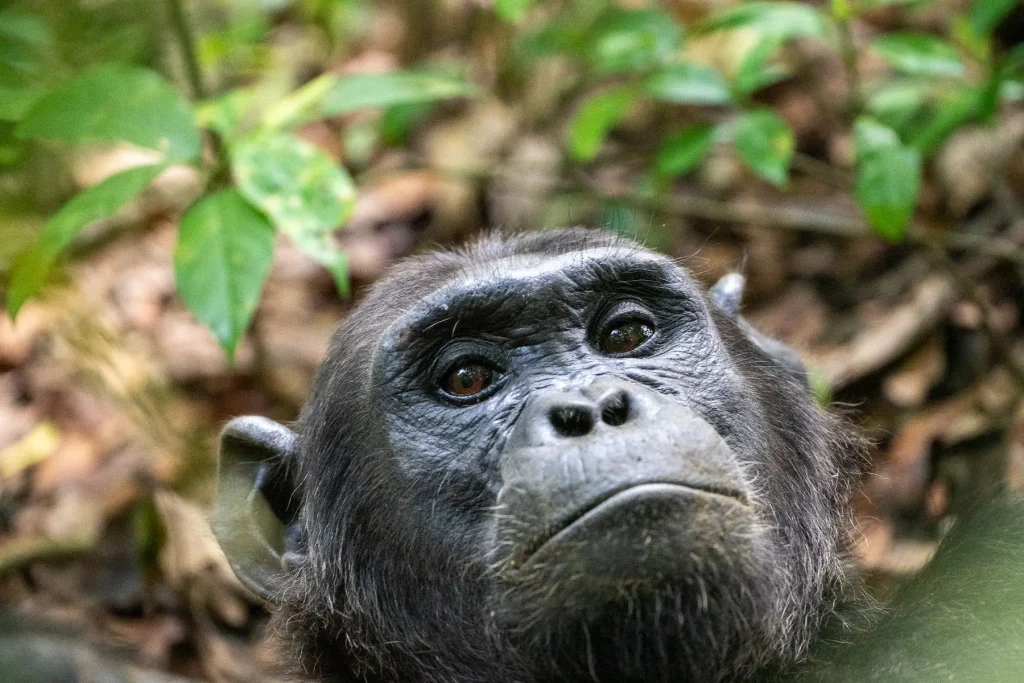
Chimpanzee Trekking in Nyungwe Forest National Park. Tucked away in the misty highlands of southwestern Rwanda, lies Nyungwe Forest National Park, one of Africa’s oldest and most biologically rich rainforests. Within its dense canopy of ancient hardwoods, tangled vines, and cascading waterfalls lives one of Rwanda’s most sought-after wildlife experiences: chimpanzee trekking. Unlike gorilla trekking, which is often the headline of most Rwanda safaris, chimpanzee trekking offers something fresher and more dynamic — chimpanzees are fast, vocal, highly intelligent, and constantly on the move, which makes every encounter with them unpredictable and thrilling. Nyungwe natural forest park is home to more than 500 chimpanzees, alongside other primates, birds and numerous forest species. Different chimpanzee communities have been habituated for tourism and research, making tracking one of the park’s signature experiences. Trekkers who venture into Nyungwe’s forest trails are rewarded with a rare window into the daily life of human closest living relatives. You will watch them wake, forage, groom one another, care for their young, and communicate through an astonishing range of calls and gestures. For nature lovers, researchers, and curious travellers, chimpanzee trekking in Nyungwe is as both an educational journey and an adventure. This guide walks you through everything you need to know — where trekking happens, how the activity works, how to get to the park, the best time to go, alternative destinations, and how to prepare for the trek of a lifetime. Where chimpanzee trekking happens in Nyungwe Nyungwe National Park is home to different habituated chimpanzee communities, each offering a distinct trekking experience. The Uwinka Community: Located near the Uwinka Reception Centre- a place where all chimpanzee treks and all other park experiences begin, this is the larger and main group, with more than 40 individuals. Because of the size and vastness of the surrounding forest, this group can be more physically demanding to track. The chimpanzees here tend to move longer distances, further into the forest jungles in search of food, trekkers should be prepared for longer and strenuous hikes through varied terrain. The Cyamudongo Community Cyamudongo is a smaller, fragmented forest block separate from the main Nyungwe forest. It is home to a well-habituated group that is generally easier to locate and observe thus offering a distinctive chimpanzee tracking experience. Chimpanzees here are more accustomed to human presence, sightings tend to be calmer and more prolonged, making it the preferred choice for many first-time trekkers and photographers. Travellers staying around Gisakura find the Cyamudongo community an appealing choice for their tracking experience. Gisovu: Gisovu lies in the northern part of Nyungwe forest and offers both the normal chimpanzee tracking and the chimpanzee habituation experience. Tracking in this area takes longer hours, visitors are advised to pack enough energising food and water as the activity takes longer hours than in the other tracking areas of the park. another important chimpanzee experience. The Chimpanzee Habituation Experience offers visitors a chance to spend considerably longer hours with trackers and chimpanzees while learning about their behaviour, diet, movements and identification. Beyond chimpanzees, trekking zones offer glimpses of other primates that call Nyungwe forest home. These include vervet monkeys, black-and-white colobus monkeys, and several other species that call this ancient rainforest home. How the chimpanzee trekking activity works Chimpanzee trekking is a guided park activity in which visitors follow forest trails, with the lead of experienced park guide, until they encounter the habituated chimpanzee group and observe them at a close range. The experience is designed to balance an authentic wildlife encounter with the conservation. Here is what a typical trek looks like. Early morning start: Treks begin very early, usually between 4:00 and 5:00 a.m., since chimpanzees are most active and easiest to locate shortly after they wake. Safety briefing: At the reception center, your guide gives a short briefing on trekking rules, safety expectations, and what to anticipate on the trail. This briefing is an important part of protecting both the visitors and chimpanzees. The trek itself: From the briefing point, visitors begin the trek with the lead of trained guides and rangers. Depending on where the chimpanzees were last seen feeding or nesting, the hike can last anywhere from thirty minutes to several hours through varying altitudes ranging roughly from 1600 to 2950 meters. Since chimpanzees move constantly through the canopy and undergrowth, trekkers need to be physically prepared to keep up pace with the group. The encounter: Once the chimpanzees are located, visitors are allowed one hour following the habituated group. During this time, observe feeding behavior, social interactions, grooming rituals, parenting, nests, vocalization and the group’s internal leadership. Photography is generally permitted, but visitors should avoid flash photography and maintain an appropriate distance from the chimpanzees. Return hike: After the hour of encounter, the group treks back to the starting point, guided by their ranger. Time spent during the trek depends on their location and weather conditions of the day. To protect the chimpanzees from stress and disease exposure, park regulations limit each habituated group to a maximum of two visiting groups per day, and every visit is capped strictly at one hour of observation time. Getting to Nyungwe Forest National Park Nyungwe can be reached by road, air, or water, and each route offers a different balance of cost, comfort, and scenery. By Road Traveling by road is the most popular and most affordable way to reach Nyungwe, and it offers the added benefit of scenic countryside views along the way. The drive from Kigali takes approximately five to six hours or more depending on the road and weather conditions, through rolling hills, tea plantations, and small towns that exhibit Rwandan life. From Kigali, head southwest to Muhanga, then continue south to Nyanza before reaching Huye town (about 32 km from Kigali on a smooth but winding road). From Huye, continue west toward Nyamagabe, which lies close to the park’s entrance. A private safari vehicle is the most convenient option as many travelers combine the road trip with stops at cultural and […]
Sep
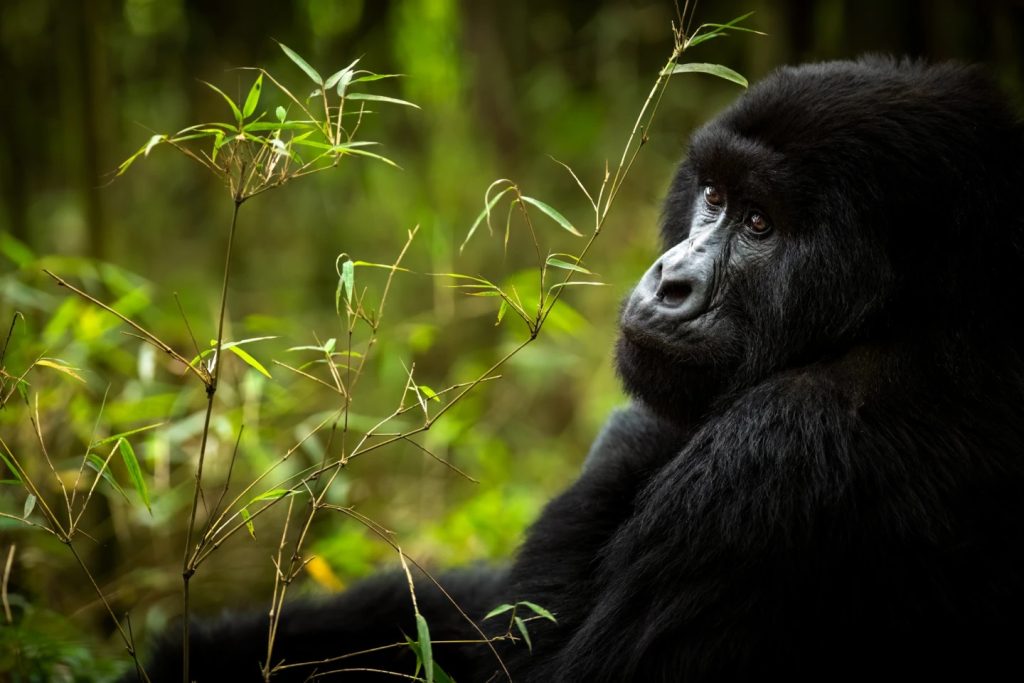
Where to see Primates in Rwanda: A Guide to Primate Tourism, conservation and travel. Rwanda, often called the “Land of a Thousand Hills,” has earned a reputation as one of the finest primate-watching destinations on the planet. Within its relatively small borders, the country packs an extraordinary concentration of wildlife experiences, from misty volcanic slopes to ancient rainforest canopies. Travelers come from every corner of the world to witness its amazing primates: a chance to get close to mountain gorilla family, watch a troop of golden monkeys tumble through bamboo, or track chimpanzees through one of Africa’s oldest forests. These experiences are not only possible but also very safe and comfortable for all travelers. Thanks to Rwanda’s conservation efforts, well maintained parks and knowledgeable guides. Meet Rwanda’s Primates Rwanda is home to a rich variety of primate species, each offering a distinct kind of encounter: Mountain gorillas — the undisputed stars of Rwandan tourism and the largest living primates, found only in a handful of places worldwide- the Virunga massif shared by Rwanda, Uganda and the Democratic Republic of Congo. The gorillas live in closely bonded family groups and are known for their complex social behaviour. Gorilla trekking is a highly regulated activity, where visitors are accompanied by trained guides and allowed only a limited period of one hour with a habituated group. Golden monkeys — small, energetic, playful, strikingly colored, and highly attractive primates are a favourite among photographers. They are endemic to the Albertine rift and find refuge in bamboo forests of the Virungas. Chimpanzees — highly intelligent and socially complex, chimps offer a fascinating window into primate behaviour strikingly similar to our own. they are a major attraction in in Rwanda’s ancient equatorial rain forest park- Nyungwe National Park. Colobus monkeys — recognizable by their elegant black-and-white coats. Nyungwe forest supports a large number of individual s that are often spotted on during broader forest walks and along nature trails within the park. They are so photogenic and tracking them may mean following them as they leap in the braches of the forest canopy. L’Hoest’s monkeys — shy, ground-dwelling monkeys usually spotted along the forest floor. Vervet monkeys — widespread, adaptable, and highly social. Blue monkeys and red-tailed monkeys — tree-dwelling species found mainly in the rainforest canopy. Olive baboons – With their greenish -gray hair, they are highly intelligent, curious, complex and live in social groups with strict hierarchy led by dominant males maintaining a deep female – bonded communities. They are omnivorous, have impressive communication of using gestures to signal moods. In Rwanda, they are commonly spotted in Akagera and Nyungwe national park Nocturnal primates: like the Pottos and bush babies – though hard to spot, they also find refuge in Nyungwe forests. Guided night walks and drives can provide better sights of these primates. Together, these species make Rwanda a rare place where visitors can experience an extraordinary cross-section of Africa’s primate diversity within a single trip. Where to See Them Rwanda’s primate experiences are centred around two flagship parks, with a few additional destinations offering smaller-scale sightings. Volcanoes National Park Set along the volcanic slopes in the northwest in Rwanda, this park is the epicentre of gorilla tourism. The gorilla trekking experience is generally more demanding and more expensive than many other wildlife activities in Rwanda, but it provides an exceptional opportunity to observe one of the world’s most endangered great apes in its natural environment. Its bamboo forests and highland terrain also shelter golden monkeys and several other wildlife species which offer alternative primate tracking and park explorations. Gorilla Trekking: A gorilla trek begins at the park headquarters with a safety briefing before guides and trackers lead visitors through forest and bamboo in search of a habituated family. Treks can last anywhere from 2 to 6 hours depending on the gorillas’ location that day, followed by a full hour observing the family up close as they feed, play, and interact. Permits cost approximately $1,500 per person, with proceeds funding conservation and community programs. Golden Monkey Trekking: Golden monkey treks are shorter and less strenuous, typically lasting 2 to 4 hours through bamboo and volcanic terrain. Permits cost around $100 per person, making this a popular option for families, photographers, and first-time trekkers. Nyungwe Forest National Park An ancient, biodiverse rainforest in the southwest, Nyungwe is chimpanzee territory. It also hosts more 12 primate species including, colobus monkeys, vervet monkeys, L’Hoest’s monkeys, and other species, often visible on guided hikes. Thanks to the forest’s dense and varied trail network. Primate tracking in this park begins so early, sometimes around 5:30 a.m., and can last from roughly an hour to several hours depending on the location of the targeted primates – chimpanzee or colobus monkeys. One hour is allowed for interaction with the primates on location. Hikes are always physically demanding thus requiring enough preparedness. This park is a fruitful destination for travelers who want adventure beyond primates as it offers bird watching, hiking along different trails, and the famous canopy walk that offers spectacular aerial views of the forest canopy. Other Areas Gishwati-Mukura National Park Gishwati-Mukura is Rwanda’s fourth national park and consists of two forest areas: Gishwati and Mukura. Although smaller and less internationally famous than Nyungwe and Volcanoes, it is important for primate conservation and provides an opportunity to explore about primates. It’s a less crowded forest environment, also home to chimpanzees, golden monkeys, blue monkeys and L’Hoest’s monkeys, along with numerous birds and other forest species. Gishwati-Mukura is particularly interesting for travelers seeking a broader understanding of Rwanda’s forest ecosystems. Its proximity to the Lake Kivu makes it possible to combine primate experiences with cultural, scenery and community-based tourism. Akagera National Park Akagera is popularly known for traditional savannah safari than special primate tracking. Nevertheless, it should not be overlooked by primate enthusiasts. The park’s open landscapes, woodlands and wetlands provide habitat for olive baboons and vervet monkeys, which can often be encountered during game drives. Because Akagera […]
Sep
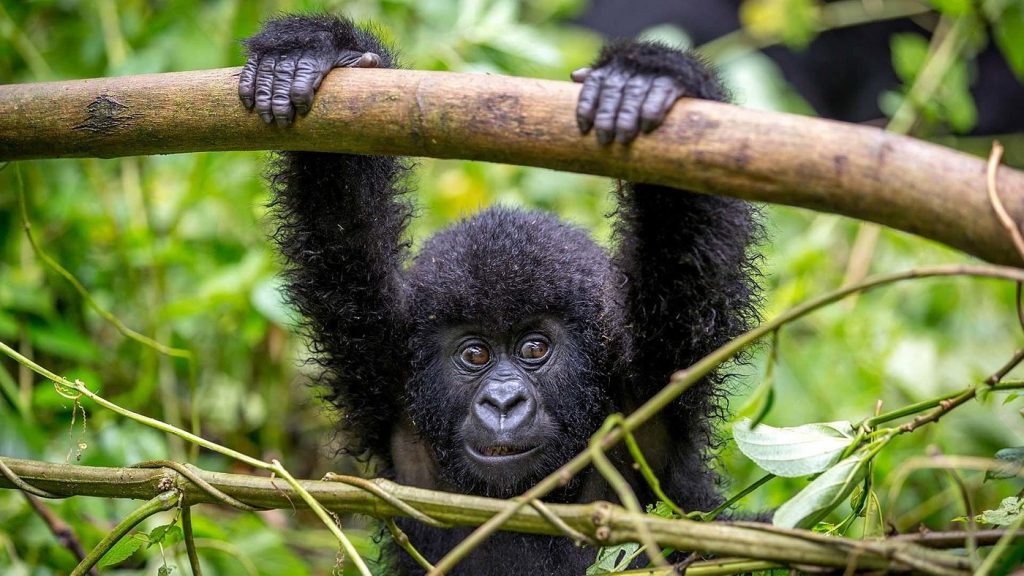
Essential Tips for Planning a Mountain Gorilla Trekking Safari Coming face to face with a mountain gorilla in its natural habitat is often described as one of the most humbling wildlife encounters on the planet. It is an experience that draws travelers from every corner of the globe to the misty, forested hills of East and Central Africa. A gorilla trek is not the kind of adventure you can simply show up for. It requires forethought, the right documents, appropriate gear, and a realistic understanding of what the day itself will demand of you physically. Because permits are limited, destinations vary in accessibility and difficulty, and the trek itself can be unpredictable, but a careful preparation makes the difference between a frustrating trip and the encounter of a lifetime. Below is a comprehensive breakdown of what every traveler should know before setting out to visit and track these gentle giant apes. Start planning well ahead of time Gorilla trekking is one of the most popular tourist attractions in Africa, but there aren’t many spots where its offered. At times, especially in the peak season, trekking permits tend to run out easily and the accommodation facilities close to the gorilla park s have limited availability due to the high inflow of travelers. As an average guideline, you should start planning your trip at least six months before your travel dates. This provides time to book permits, flights, find the accommodation that suits your budget and also prepare physically for the hike a head. Choose your trekking destination Mountain gorillas live and can be trekked in only three countries: Rwanda, Uganda, and the Democratic Republic of Congo (DRC). Due to ongoing security concerns in parts of the DRC, most tour operators suggest that visitors should focus on two remaining options until conditions stabilize. This leaves Uganda and Rwanda with the safest atmosphere for tracking. In Uganda, gorillas are tracked in Bwindi Impenetrable National Park and Mgahinga Gorilla National Park. Bwindi alone shelters over 21 distinct gorilla families spread across four different sectors – Buhoma, Ruhija, Rushaga and Nkuringo. So,Visitors have chances of choosing where they wish to trek depending on their physical ability and interest. This park holds over half of the worlds remaining mountain gorillas and offeres more trekking permits than other tracking destinations. The dense rainforest, steep slopes and extensive network of trekking sectors make Bwindi particularly appealing to travellers who want a deep-forest experience. Mgahinga Gorilla National Park is part of the wider Virunga mountain range, an area shared by Uganda, Rwanda, and the DRC, and hosts a single gorilla family- Nyakagezi known to move freely between the neighbouring countries. this park offers more intimate trekking environment, and a gorilla trek here can be combined with golden monkey tracking, volcano hiking. It’s a convenient tracking destination for travellers seeking a quieter experience. In Rwanda, gorilla trekking takes place in Volcanoes National Park which is also part of the part of the Virunga range. Covering five of the eight volcanoes that comprise the Virunga Massif, this park hoses 12 habituated gorilla families. its is easily accessible by all tourists flying into Kigali-Rwanda’s capital. Some travellers choose to visit both countries to compare the experiences, while others settle on one based on budget, scenery preference, or ease of access. Whichever direction you lean, the trekking adventure is equally rewarding. If you are not sure of where to go tracking, a knowledgeable tour operator can help you weigh the trade-offs until you finalize your choice. Virunga National Park, in DRC, is also an important mountain-gorilla destination. However, the security situation in eastern DRC must be taken extremely seriously. Most importantly, as of September 2026, Virunga’s official visitor site states that gorilla trekking and Nyiragongo treks are closed until further notice. Travelers should therefore never assume that a previously advertised Virunga itinerary is currently operating. Secure your gorilla permit in advance. A gorilla permit is a legal document issued by the relevant wildlife authority — the Uganda Wildlife Authority (UWA) in Uganda, the Rwanda Development Board (RDB) in Rwanda, and the Institut Congolais pour la Conservation de la Nature (ICCN) in the DRC. Permits are limited because only a handful of habituated gorilla families are opened to tourists for daily tracking, with a maximum of eight visitors per family. This is done to minimize stress on the animals and avoid contagious diseases transmission. As of 2026, permits cost $800 in Uganda, $1,500 in Rwanda, and $400 in the DRC. Since demand often outpaces supply, especially during the June-to-September and December-to-February dry seasons, it is wise to reserve your permit three to six months in advance through a licensed tour operator before your travel date. Prepare physically for the trek Don’t assume that gorilla trekking is an easy wildlife activity. It is one that involves several hours of hiking through steep, muddy, wet and uneven terrain. It requires moderate fitness, with treks potentially lasting approximately two to six hours. Prepare several weeks before your trip. Walking, hiking simple hills, staircase climbing and cardiovascular exercises can improve your stamina. If possible, try walking along uneven trails rather than relying exclusively on flat-ground exercise. The trekking pace is determined by the group, and experienced rangers help visitors navigate the forest. You should arrive prepared to walk for several hours and ready to cope with changing terrain. Arrange accommodation and transport thoughtfully Once your trekking sector is confirmed, turn your attention to where you’ll stay and how you’ll get there. Lodging options near the parks range from budget-friendly campsites to high-end luxury lodges, and the right choice depends on your travel style and price range. In Uganda, each sector has close accommodations that provide quick access to your tracking sector headquarters. Selecting a wrong lodge may lead to delays and too early morning drives- late arrives are no option or excuse. Volcanoes National Park has one place as the park headquarters and briefing centre, close accommodation also ranges from relatively simple properties to high-end luxury lodges. Your […]