
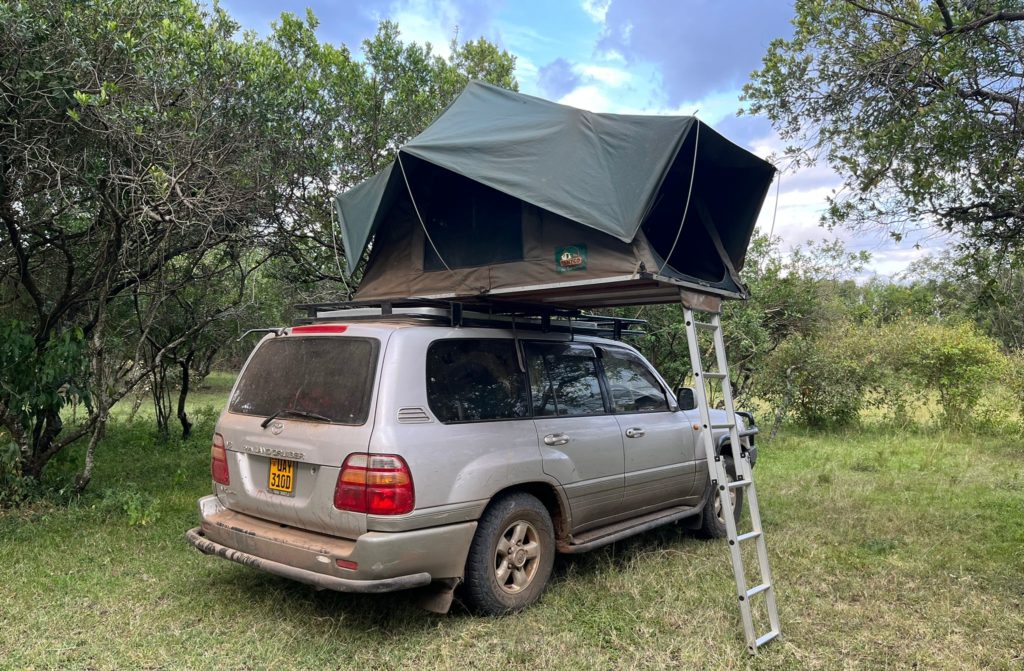
How to save on Car Hire in Rwanda
Rwanda is a small country with the most rewarding scenery. In a few hours you can reach out different parts of the country with ease, drive from the capital- Kigali to the misty slopes of Volcanoes National Park, to the savannas of Akagera national park, Nyungwe national park or south to the shores of Lake Kivu. Renting a car is one of the best ways to see all of this at your own pace. But car hire costs can add up quickly if you don’t plan well. Fuel, insurance, permits, and daily rates all play a part in your final bill.
This guide walks you through simple, practical tips to help you save money on your next car hire in Rwanda, without cutting corners on safety or comfort.
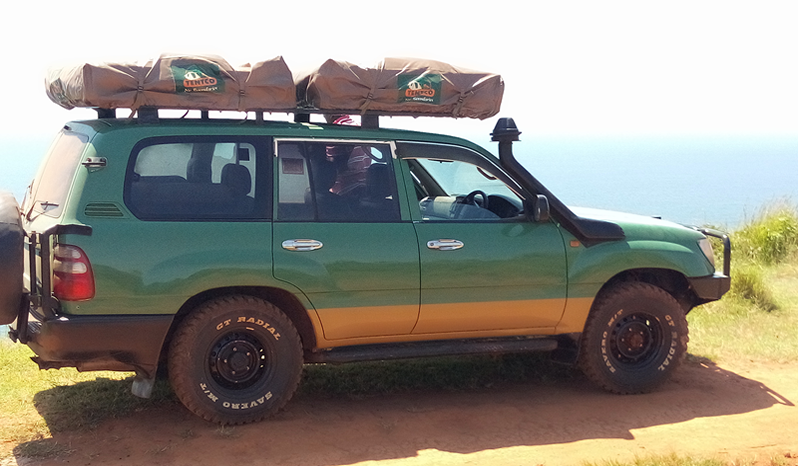
Consider booking early
Rental companies in Rwanda often charge highly for last-minute bookings, especially during the dry seasons (June to September and December to February) when tourist numbers rise for most activities that are sought after by most travellers. Booking weeks or months ahead usually gets you better rates and a wider choice of vehicles. It also gives you time to compare prices calmly instead of accepting the first offer you see at the airport.
Compare local and international providers
International rental brands are convenient, but local Rwandan car hire companies often charge lower daily rates for the same type of vehicle. Local companies also tend to know the roads better and can advise you on routes, fuel stops, and current road conditions. Get quotes from at least two or three providers before you decide. Look closely at what is included in the price, since a slightly higher quote with fuel and insurance built in can end up cheaper than a “bargain” rate with extra charges added later.
Choose the right vehicle for your trip
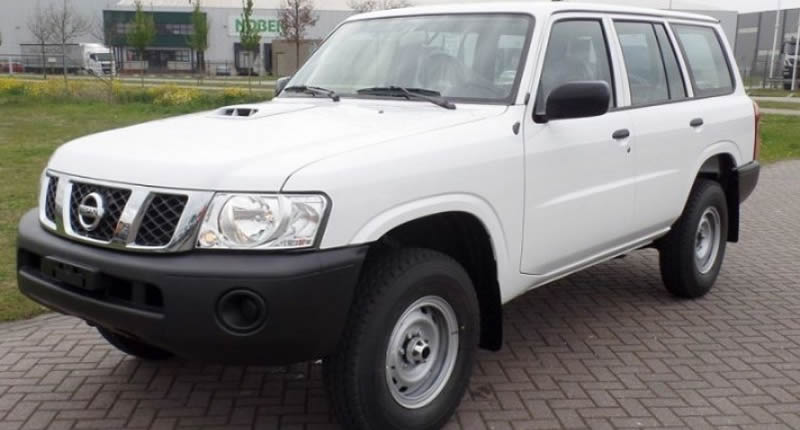
Renting a large 4×4 for a trip that only needs a small saloon car wastes money on fuel and daily hire fees. If you plan to stay mainly in Kigali or travel on paved roads between major towns, a compact or standard sedan is usually enough. If you’re heading to Volcanoes National Park, Nyungwe Forest, or other areas with rougher roads, a 4×4 is worth the extra cost for safety, comfort, and reliability. Matching the car to your actual route, rather than renting the biggest option is the easiest way to cut costs.
Consider long term rentals.
Many rental companies offer lower/ discounted daily rates for weekly, monthly or longer bookings compared to short rentals that last for less than a week. If your trip includes several days of driving, ask about weekly pricing even if you’re not sure you’ll use the full week. The savings per day on long term rentals can be significant, and having the vehicle for longer also gives you flexibility to change your plans without extra booking fees.
Understand the fuel policy
Fuel is one of the biggest hidden costs in car hire. Always ask whether the rental comes with a “full-to-full” policy, where you return the car with the same fuel level it had at pickup. This is usually the cheapest option, since prepaid fuel plans often charge more per litre than local pump prices. If you are self driving, fill your fuel tank in the big towns before getting into savanna parks for game drives or getting into deep rural areas. Avoid returning the car with less fuel than agreed, as some companies charge a premium to refill it themselves.
Compare Self-Drive and Chauffeur-Driven Hire
Self-drive is generally cheaper on paper but comes with hidden costs. Rwanda’s roads can be steep, narrow, and unfamiliar to visitors, especially outside Kigali. A chauffeur-driven car costs more per day but can save you money overall by avoiding wrong turns, fines, any worries any about navigation, which can lead to costly excess charges. Before choosing the type of hire you wish to have, compare the advantages of either side for a safer and comfortable exploration.
Understand the insurance policy.
Basic insurance is usually included in the rental price, but it often comes with a high excess (the amount you pay out of pocket if there is an accident). Many companies offer reduced-excess or full-cover insurance for an extra daily fee. While this adds to the cost upfront, it can save you a large, unexpected payment if something goes wrong, especially on Rwanda’s winding mountain roads. Read the insurance terms carefully and choose the level of cover that matches how much risk you are comfortable carrying yourself.
Analyse the Airport pickup charges
Picking up a car directly at Kigali International Airport is convenient, but airport locations often carry a surcharge compared to city-centre offices. If your hotel offers a shuttle or is a short taxi ride from the airport, consider collecting your rental car from a city branch instead. The taxi fare is often much lower than the airport pickup fee.
Read the Contract for Hidden Charges
Before you sign anything, check the mileage limit (some rentals cap free kilometres and charge extra beyond that), the cancellation policy, and any cleaning or late-return fees. Take clear photos or a short video of the car’s condition at pickup, including any existing scratches, so you’re not billed for damage you didn’t cause. A few minutes of care here can prevent a large, unexpected charge later.
Travel in the shoulder season.
The peak season (June to September) pushes up demand for both cars and gorilla permits. If your travel dates are flexible, consider visiting during the shoulder months, just before or after the peak dry seasons. Buring these months, the roads and weather are still manageable, rental prices and availability are usually better because fewer tourists are competing for the same vehicles.
