
Where to see Primates in Rwanda: A Guide to Primate Tourism, conservation and travel.
Rwanda, often called the “Land of a Thousand Hills,” has earned a reputation as one of the finest primate-watching destinations on the planet. Within its relatively small borders, the country packs an extraordinary concentration of wildlife experiences, from misty volcanic slopes to ancient rainforest canopies. Travelers come from every corner of the world to witness its amazing primates: a chance to get close to mountain gorilla family, watch a troop of golden monkeys tumble through bamboo, or track chimpanzees through one of Africa’s oldest forests.
These experiences are not only possible but also very safe and comfortable for all travelers. Thanks to Rwanda’s conservation efforts, well maintained parks and knowledgeable guides.
Meet Rwanda’s Primates
Rwanda is home to a rich variety of primate species, each offering a distinct kind of encounter:
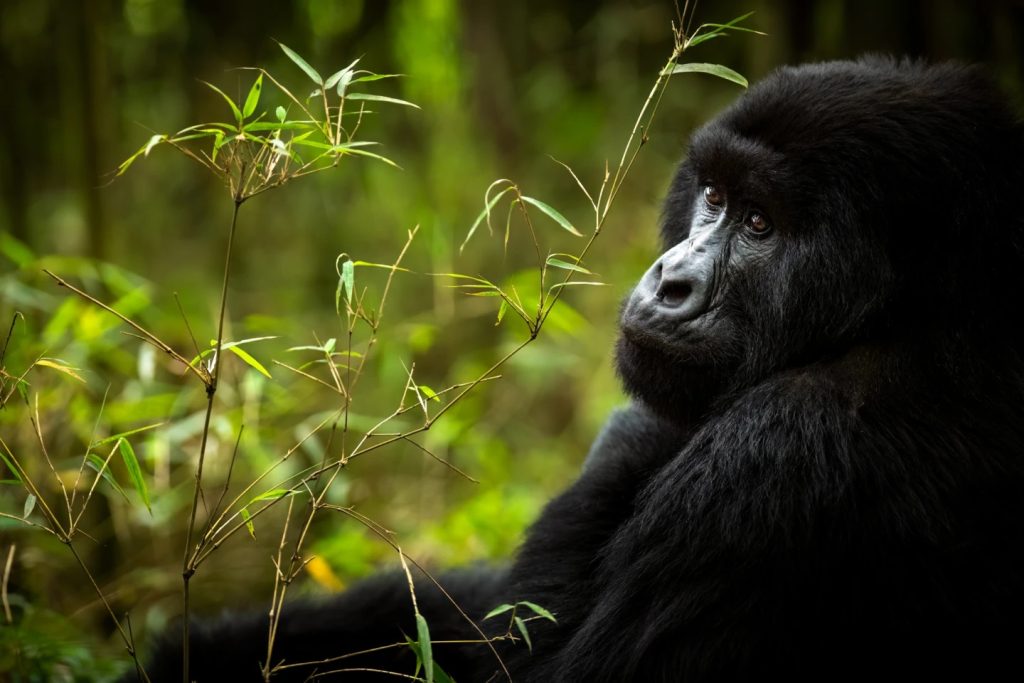
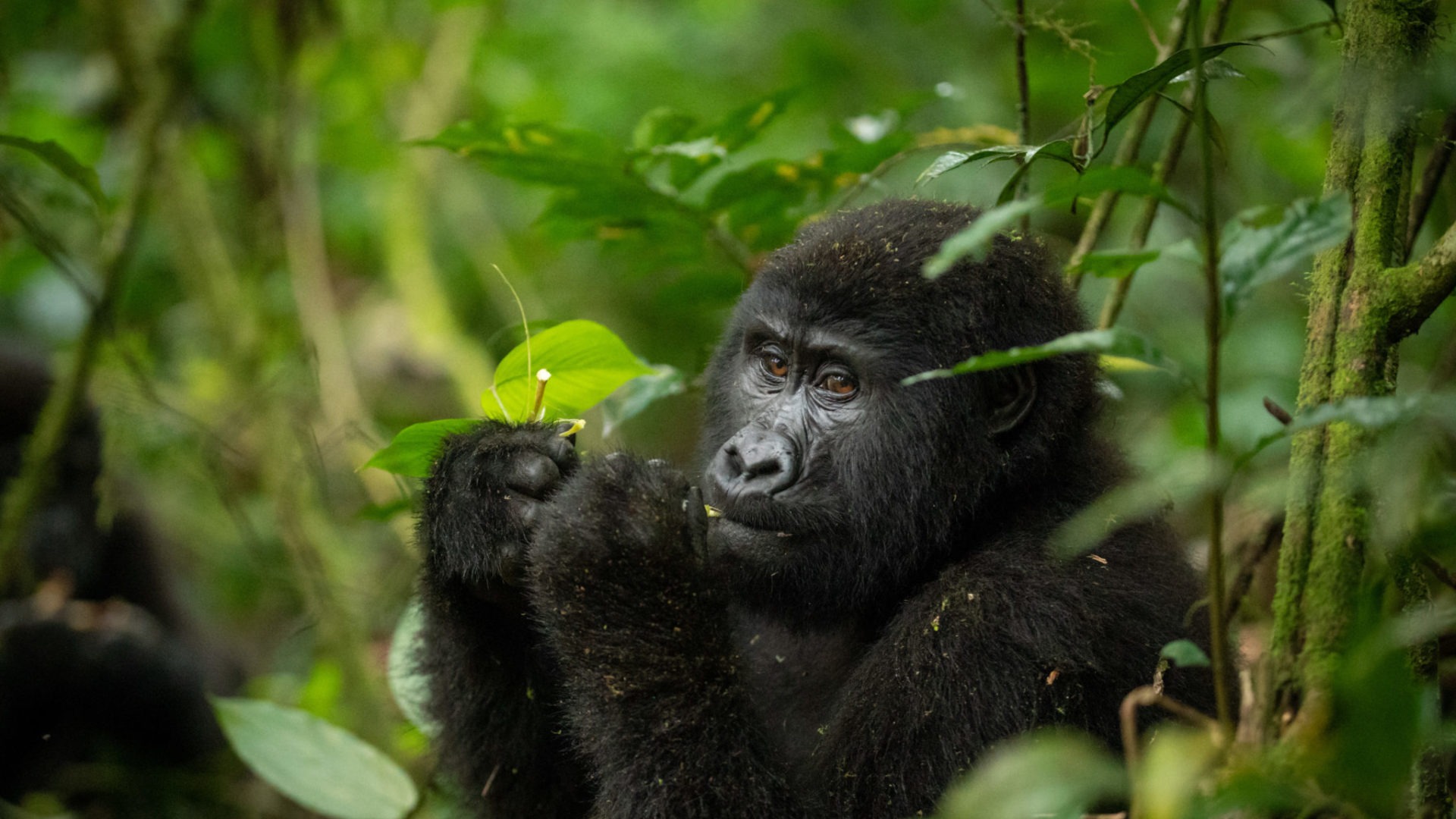
- Mountain gorillas — the undisputed stars of Rwandan tourism and the largest living primates, found only in a handful of places worldwide- the Virunga massif shared by Rwanda, Uganda and the Democratic Republic of Congo.
The gorillas live in closely bonded family groups and are known for their complex social behaviour. Gorilla trekking is a highly regulated activity, where visitors are accompanied by trained guides and allowed only a limited period of one hour with a habituated group.
- Golden monkeys — small, energetic, playful, strikingly colored, and highly attractive primates are a favourite among photographers. They are endemic to the Albertine rift and find refuge in bamboo forests of the Virungas.
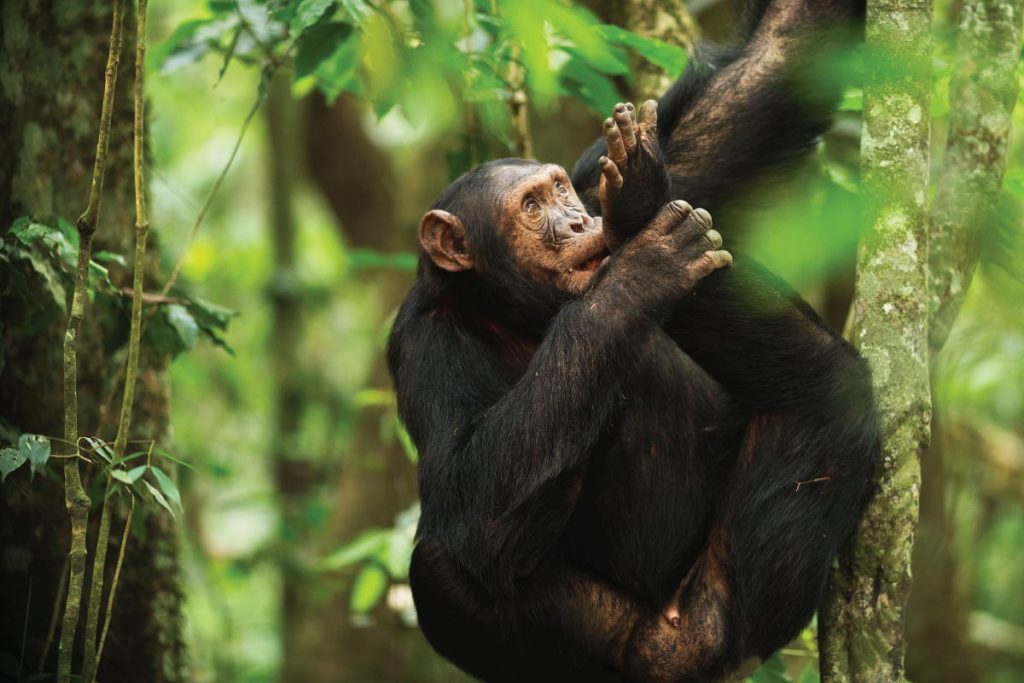
- Chimpanzees — highly intelligent and socially complex, chimps offer a fascinating window into primate behaviour strikingly similar to our own. they are a major attraction in in Rwanda’s ancient equatorial rain forest park- Nyungwe National Park.
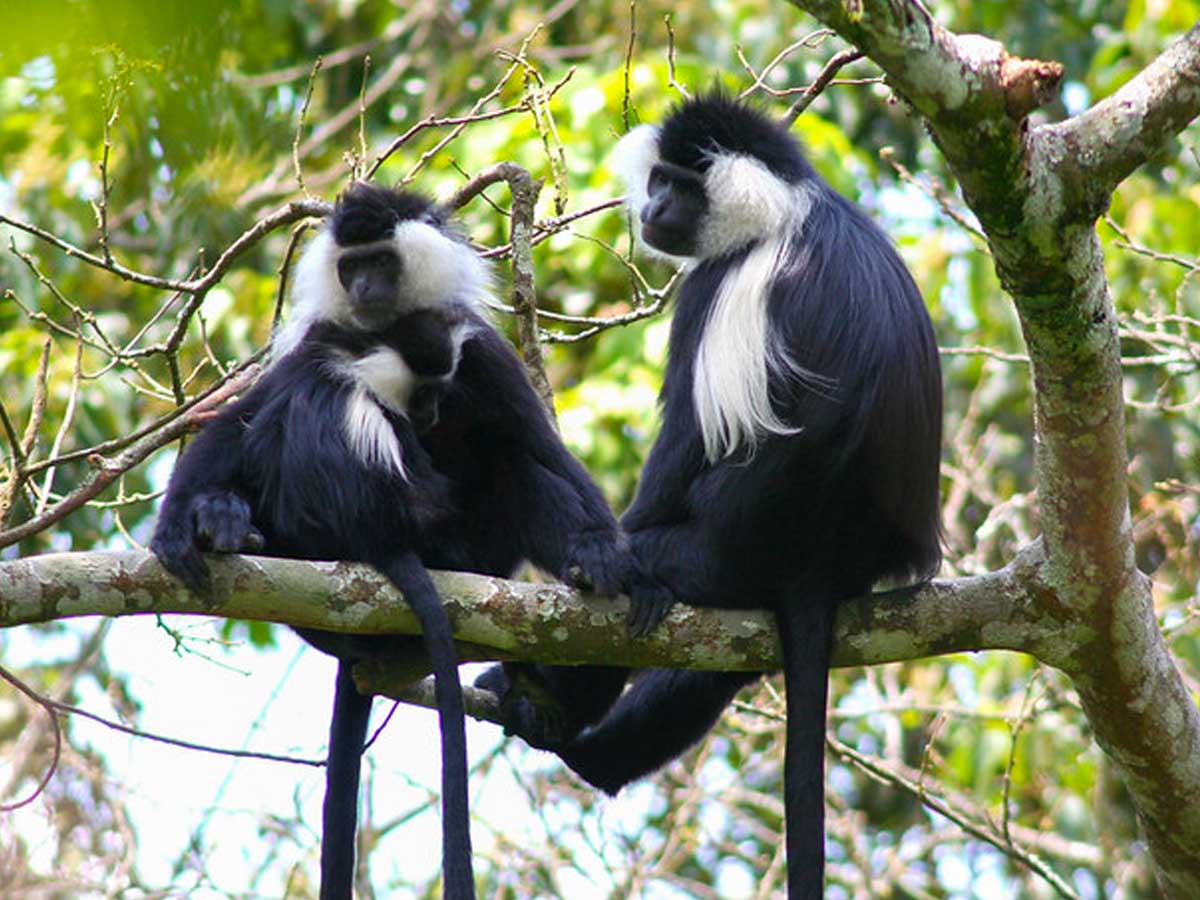
- Colobus monkeys — recognizable by their elegant black-and-white coats. Nyungwe forest supports a large number of individual s that are often spotted on during broader forest walks and along nature trails within the park. They are so photogenic and tracking them may mean following them as they leap in the braches of the forest canopy.
- L’Hoest’s monkeys — shy, ground-dwelling monkeys usually spotted along the forest floor.
- Vervet monkeys — widespread, adaptable, and highly social.
- Blue monkeys and red-tailed monkeys — tree-dwelling species found mainly in the rainforest canopy.
- Olive baboons – With their greenish -gray hair, they are highly intelligent, curious, complex and live in social groups with strict hierarchy led by dominant males maintaining a deep female – bonded communities. They are omnivorous, have impressive communication of using gestures to signal moods. In Rwanda, they are commonly spotted in Akagera and Nyungwe national park
- Nocturnal primates: like the Pottos and bush babies – though hard to spot, they also find refuge in Nyungwe forests. Guided night walks and drives can provide better sights of these primates.
Together, these species make Rwanda a rare place where visitors can experience an extraordinary cross-section of Africa’s primate diversity within a single trip.
Where to See Them
Rwanda’s primate experiences are centred around two flagship parks, with a few additional destinations offering smaller-scale sightings.
Volcanoes National Park
Set along the volcanic slopes in the northwest in Rwanda, this park is the epicentre of gorilla tourism. The gorilla trekking experience is generally more demanding and more expensive than many other wildlife activities in Rwanda, but it provides an exceptional opportunity to observe one of the world’s most endangered great apes in its natural environment. Its bamboo forests and highland terrain also shelter golden monkeys and several other wildlife species which offer alternative primate tracking and park explorations.
Gorilla Trekking: A gorilla trek begins at the park headquarters with a safety briefing before guides and trackers lead visitors through forest and bamboo in search of a habituated family. Treks can last anywhere from 2 to 6 hours depending on the gorillas’ location that day, followed by a full hour observing the family up close as they feed, play, and interact. Permits cost approximately $1,500 per person, with proceeds funding conservation and community programs.
Golden Monkey Trekking: Golden monkey treks are shorter and less strenuous, typically lasting 2 to 4 hours through bamboo and volcanic terrain. Permits cost around $100 per person, making this a popular option for families, photographers, and first-time trekkers.
Nyungwe Forest National Park
An ancient, biodiverse rainforest in the southwest, Nyungwe is chimpanzee territory. It also hosts more 12 primate species including, colobus monkeys, vervet monkeys, L’Hoest’s monkeys, and other species, often visible on guided hikes. Thanks to the forest’s dense and varied trail network.
Primate tracking in this park begins so early, sometimes around 5:30 a.m., and can last from roughly an hour to several hours depending on the location of the targeted primates – chimpanzee or colobus monkeys. One hour is allowed for interaction with the primates on location. Hikes are always physically demanding thus requiring enough preparedness.
This park is a fruitful destination for travelers who want adventure beyond primates as it offers bird watching, hiking along different trails, and the famous canopy walk that offers spectacular aerial views of the forest canopy.
Other Areas
Gishwati-Mukura National Park
Gishwati-Mukura is Rwanda’s fourth national park and consists of two forest areas: Gishwati and Mukura. Although smaller and less internationally famous than Nyungwe and Volcanoes, it is important for primate conservation and provides an opportunity to explore about primates. It’s a less crowded forest environment, also home to chimpanzees, golden monkeys, blue monkeys and L’Hoest’s monkeys, along with numerous birds and other forest species.
Gishwati-Mukura is particularly interesting for travelers seeking a broader understanding of Rwanda’s forest ecosystems. Its proximity to the Lake Kivu makes it possible to combine primate experiences with cultural, scenery and community-based tourism.
Akagera National Park
Akagera is popularly known for traditional savannah safari than special primate tracking. Nevertheless, it should not be overlooked by primate enthusiasts.
The park’s open landscapes, woodlands and wetlands provide habitat for olive baboons and vervet monkeys, which can often be encountered during game drives. Because Akagera also supports elephants, giraffes, zebras, buffaloes, antelopes, lions, rhinoceroses and an impressive variety of birds, it acts as an excellent addition to a primate-focused itinerary.
Best Time to Visit Rwanda primates’ destinations.
Rwanda’s primates are active and visible year-round but timing your trip can significantly affect comfort and visibility.
The dry seasons (June–September and December–February): are considered the most convenient time for most visits and treks. Rainfall showers are less expected, trails are firmer, less slippery and easy to navigate, and overall visibility is better. This makes hikes and treks more comfortable.
In the rainy seasons (March–May and October–November): Trails become muddier and hikes are more challenging, but the forests are at their lushest moment, waterfalls are more spectacular, and visitor numbers drop — hence appealing to travelers who prefer a quieter experience and photography.
Whichever season you choose, primate sightings remain likely, since gorillas, golden monkeys, and chimpanzees do not hibernate or migrate seasonally. Your priority depicts your time of travel.
What to know before visiting Rwanda primates.
A little preparation goes a long way toward making a primate trek safe and enjoyable:
Book permits well in advance — gorilla, golden monkey, and chimpanzee permits are limited, and sell out quickly mainly in the peak season when the demand is high. Permits are officially issued by Rwanda Development Board (RDB) through online channels and licensed tour operators.
Hire licensed, experienced guides — if you wish to combine your primate safari with a savanna park experience, experienced guides from licensed tour operator companies help to improve your chances of sightings and know how to keep both visitors and animals safe.
Prepare physically — treks, especially for gorillas and chimpanzees, can be strenuous, so moderate fitness is recommended as they involve hiking through varying elevations through steep and muddy terrain.
Follow park and guides regulations — Primates share a large percentage of human DNA, keep a respectful distance from animals, never touch them, and always follow ranger instructions to prevent unpredictable behavior and disease transmission.
Pack thoughtfully — sturdy hiking boots, waterproof clothing, insect repellent, water, snacks, and a camera are essentials. Avoid bright clothing colours and strong perfumes, which can irritate wildlife.
The Importance of Primate Tourism to Rwanda’s Economy
Primate tourism is far more than a tourist attraction — it is a cornerstone of Rwanda’s conservation and economic strategy. Permit revenue funds anti-poaching patrols, habitat protection, and veterinary care for at-risk species. Local communities benefit directly through jobs in guiding, hospitality, and conservation-linked programs, while community tourism initiatives reinvest a portion of proceeds into local development.
Habituated primate groups also give researchers invaluable long-term access to study behavior and population health thus contributing to global conservation science. In this way, every trekking permit sold helps sustain both Rwanda’s wildlife and its people, reinforcing a model where tourism directly funds protection of the very animals visitors come to see.
Rwanda stands out as one of the world’s premier destinations for primate encounters, offering the rare chance to see mountain gorillas, golden monkeys, chimpanzees, and a host of other primate species within a single, well-organized itinerary. With thoughtful planning, the right season, and respect for park guidelines, travelers can enjoy safe, unforgettable wildlife experiences — while directly supporting the conservation efforts and communities that make these encounters possible for generations to come.
