
Essential Tips for Planning a Mountain Gorilla Trekking Safari
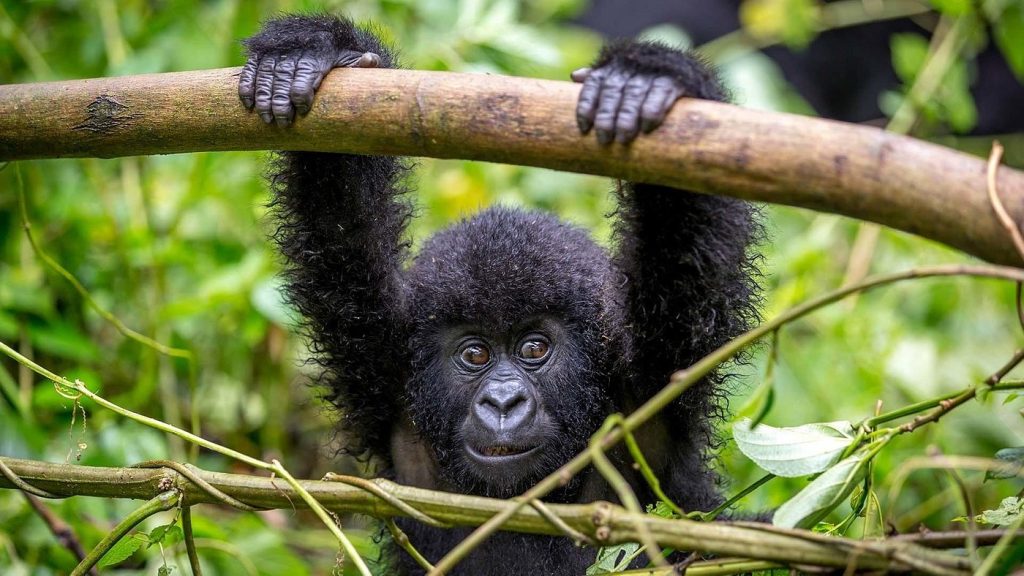
Coming face to face with a mountain gorilla in its natural habitat is often described as one of the most humbling wildlife encounters on the planet. It is an experience that draws travelers from every corner of the globe to the misty, forested hills of East and Central Africa.
A gorilla trek is not the kind of adventure you can simply show up for. It requires forethought, the right documents, appropriate gear, and a realistic understanding of what the day itself will demand of you physically. Because permits are limited, destinations vary in accessibility and difficulty, and the trek itself can be unpredictable, but a careful preparation makes the difference between a frustrating trip and the encounter of a lifetime. Below is a comprehensive breakdown of what every traveler should know before setting out to visit and track these gentle giant apes.
Start planning well ahead of time
Gorilla trekking is one of the most popular tourist attractions in Africa, but there aren’t many spots where its offered. At times, especially in the peak season, trekking permits tend to run out easily and the accommodation facilities close to the gorilla park s have limited availability due to the high inflow of travelers. As an average guideline, you should start planning your trip at least six months before your travel dates. This provides time to book permits, flights, find the accommodation that suits your budget and also prepare physically for the hike a head.
Choose your trekking destination
Mountain gorillas live and can be trekked in only three countries: Rwanda, Uganda, and the Democratic Republic of Congo (DRC). Due to ongoing security concerns in parts of the DRC, most tour operators suggest that visitors should focus on two remaining options until conditions stabilize. This leaves Uganda and Rwanda with the safest atmosphere for tracking.
In Uganda, gorillas are tracked in Bwindi Impenetrable National Park and Mgahinga Gorilla National Park. Bwindi alone shelters over 21 distinct gorilla families spread across four different sectors – Buhoma, Ruhija, Rushaga and Nkuringo. So,Visitors have chances of choosing where they wish to trek depending on their physical ability and interest. This park holds over half of the worlds remaining mountain gorillas and offeres more trekking permits than other tracking destinations. The dense rainforest, steep slopes and extensive network of trekking sectors make Bwindi particularly appealing to travellers who want a deep-forest experience.
Mgahinga Gorilla National Park is part of the wider Virunga mountain range, an area shared by Uganda, Rwanda, and the DRC, and hosts a single gorilla family- Nyakagezi known to move freely between the neighbouring countries. this park offers more intimate trekking environment, and a gorilla trek here can be combined with golden monkey tracking, volcano hiking. It’s a convenient tracking destination for travellers seeking a quieter experience.
In Rwanda, gorilla trekking takes place in Volcanoes National Park which is also part of the part of the Virunga range. Covering five of the eight volcanoes that comprise the Virunga Massif, this park hoses 12 habituated gorilla families. its is easily accessible by all tourists flying into Kigali-Rwanda’s capital.
Some travellers choose to visit both countries to compare the experiences, while others settle on one based on budget, scenery preference, or ease of access. Whichever direction you lean, the trekking adventure is equally rewarding. If you are not sure of where to go tracking, a knowledgeable tour operator can help you weigh the trade-offs until you finalize your choice.
Virunga National Park, in DRC, is also an important mountain-gorilla destination. However, the security situation in eastern DRC must be taken extremely seriously. Most importantly, as of September 2026, Virunga’s official visitor site states that gorilla trekking and Nyiragongo treks are closed until further notice. Travelers should therefore never assume that a previously advertised Virunga itinerary is currently operating.
Secure your gorilla permit in advance.
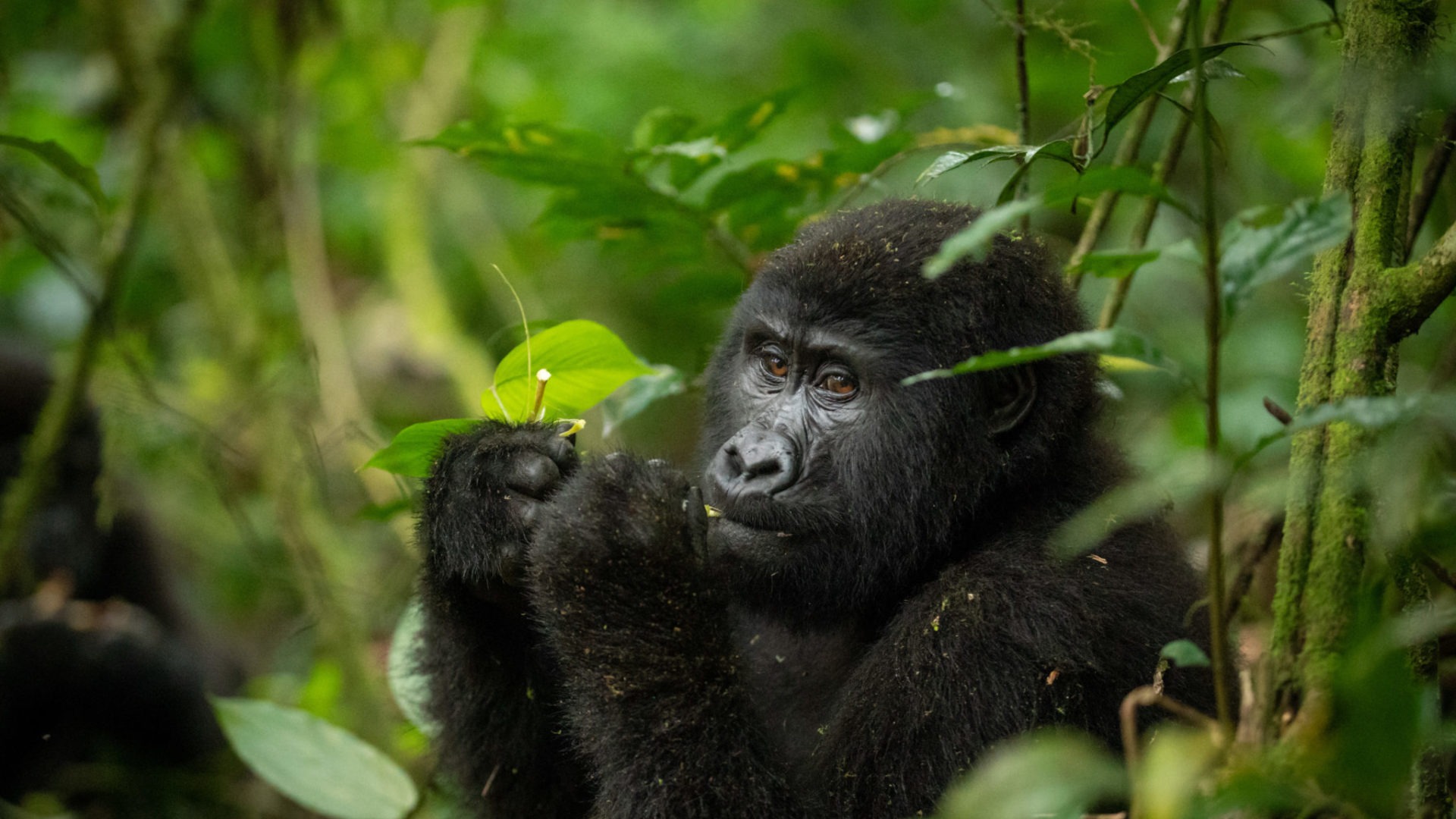
A gorilla permit is a legal document issued by the relevant wildlife authority — the Uganda Wildlife Authority (UWA) in Uganda, the Rwanda Development Board (RDB) in Rwanda, and the Institut Congolais pour la Conservation de la Nature (ICCN) in the DRC. Permits are limited because only a handful of habituated gorilla families are opened to tourists for daily tracking, with a maximum of eight visitors per family. This is done to minimize stress on the animals and avoid contagious diseases transmission.
As of 2026, permits cost $800 in Uganda, $1,500 in Rwanda, and $400 in the DRC. Since demand often outpaces supply, especially during the June-to-September and December-to-February dry seasons, it is wise to reserve your permit three to six months in advance through a licensed tour operator before your travel date.
Prepare physically for the trek
Don’t assume that gorilla trekking is an easy wildlife activity. It is one that involves several hours of hiking through steep, muddy, wet and uneven terrain. It requires moderate fitness, with treks potentially lasting approximately two to six hours. Prepare several weeks before your trip. Walking, hiking simple hills, staircase climbing and cardiovascular exercises can improve your stamina. If possible, try walking along uneven trails rather than relying exclusively on flat-ground exercise.
The trekking pace is determined by the group, and experienced rangers help visitors navigate the forest. You should arrive prepared to walk for several hours and ready to cope with changing terrain.
Arrange accommodation and transport thoughtfully
Once your trekking sector is confirmed, turn your attention to where you’ll stay and how you’ll get there. Lodging options near the parks range from budget-friendly campsites to high-end luxury lodges, and the right choice depends on your travel style and price range. In Uganda, each sector has close accommodations that provide quick access to your tracking sector headquarters. Selecting a wrong lodge may lead to delays and too early morning drives- late arrives are no option or excuse.
Volcanoes National Park has one place as the park headquarters and briefing centre, close accommodation also ranges from relatively simple properties to high-end luxury lodges. Your choice should reflect your budget, desired comfort level and how much time you want to spend traveling to the park centre and other places as your travel schedule each day.
Learn the rules of the trek
Mountain gorillas are critically endangered; Every visitor has a responsibility to ensure their presence protects rather than endangers these gentle giant apes. Reputable tour operators will brief you on required conduct — things like maintaining a safe distance, keeping noise to a minimum, and avoiding contact when unwell — well before your trek date, and at the tracking centre, park guides and rangers will provide more safety rules and guidelines on how to behave during the trek and on encounter of the gorillas. Take this briefing seriously; the rules exist to protect both you and the gorillas.
Pack the right gear
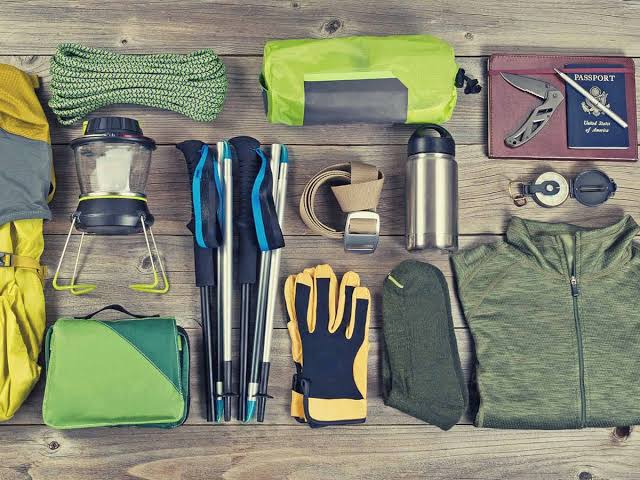
Bwindi’s forest terrain is thick, steep, and often damp, so packing appropriately makes a real difference in comfort and safety. Trekking gorillas in Volcanoes National Park involves hiking through different altitudes, steep, muddy and slippery terrain, your packing list should be in line with the necessities of your chosen tracking destination. Essentials include sturdy hiking boots, long-sleeved shirts and trousers to guard against thorns and insects, gloves, gaiters or long socks, insect repellent, a rain jacket, sunglasses, a hat, a good camera, and energy-boosting snacks, drinking water to sustain you through a hike that can last several hours, and a walking stick that is usually provide at the park center.
Time your trip around the weather
While gorilla trekking happens year-round, the driest months — June, July, August, and September — offer the easiest trekking conditions, since trails are less slippery and muddy. April, May, and November mark the wettest stretch of the year and tend to be the least popular with visitors, though some travelers prefer this quieter, greener season despite the tougher terrain.
Since mountain gorillas live in dense rain forest environments, do travel with expectations that the forests will be completely dry especially in what is considered as the dry season. Weather in such areas in unpredictable. A waterproof jacket and suitable footwear remain essential regardless of the season.
Consider using walking stick and hiring a porter
A sturdy walking stick is invaluable in steep, uneven trails, and most lodges and the park canters provide one free of charge; Hiring a porter is also worth consideration, particularly for less physically fit travelers. Porters help carry your bag, offer a helping hand or push up difficult inclines, and stay by your side for the entire trek. Porters are hired at roughly $15 -$25 depending on the size and weight of your backpack – a small cost that makes a significant difference in your overall experience.
Know what the trekking day involves
A typical trekking day starts early with breakfast and a packed lunch before heading to park headquarters for registration, where visitors are grouped into teams of up to eight people per gorilla family. Each group is accompanied by a guide, a ranger, and a tourism police officer, all to ensure safety, since the forest is also home to other unhabituated wildlife like, forest buffaloes, and elephants. From the starting point, the hike can last anywhere from 30 minutes to six hours, depending on where the gorilla family is located that day. Once located, visitors are given a full hour with the gorillas to observe and photograph them before heading back to the park Centre where you receive a trekking certificate recognizing their contribution towards gorilla conservation.
Pair your trek with other adventures
Uganda and Rwanda offer far more than gorillas. Consider combining your trek with a visit to places like the source of the Nile, chimpanzee tracking, a visit to Dian Fossey’s tomb, or adrenaline-fueled activities such as white-water rafting, bungee jumping, kayaking, quad biking, or cycling and different savanna parks. Building these extras into your itinerary rounds out the trip and making the most memorable moments in the region.
A successful gorilla trekking safari comes down to preparation: booking early, choosing the right country and sector, securing your permit through a trustworthy operator, packing smartly, and understanding what the day itself will demand of you. With these details sorted well in advance, you’re free to focus on what matters most — the unforgettable moment of locking eyes with a mountain gorilla in its natural habitat.
