
Rooftop Tent vs Ground Tent: Which Is Best for Your Camping Trip? Few decisions shape a camping trip as much as where you sleep. Rooftop tents have become a common sight on four-wheel-drive vehicles, promising fast setup and a comfortable bed. Traditional ground tents remain the favourite of hikers, families and budget-conscious campers. Both work well, but they suit different travelers and provide a comfortable night outdoors, but they suit different kinds of camping trips. The right choice depends on how often you camp, where you travel, how many people are coming with you, your budget and whether you want your vehicle to remain available while you are at camp. This guide compares the two on setup time, comfort, cost, durability, weather, safety and lifestyle, so you can choose with confidence Set up and take down time One of the biggest attractions of a rooftop tent is speed. Many hard-shell rooftop tents can be opened well in a few minutes, while soft-shell models generally take several minutes. You unzip the cover, unfold the ladder, extend a few support poles and you are ready to sleep in a few minutes, on a bed that stays flat whatever the ground is like. Because the mattress and other bedding can remain inside, and there is less equipment to unpack each evening. A quality hub-style ground tent is closer than most people think. The frame can pop into shape in under a minute. The extra time goes on finding a flat, clear spot, staking the tent down to avoid any destructions in case of weather changes. In a straight race the rooftop tent always wins, but in real conditions the gap is small. Comfort and Sleep Quality Rooftop tents usually come with a built-in high-density foam mattress, so your bed is always ready and lifted away from cold, insects and a lumpy ground. The trade-off is headroom. Most people cannot stand inside, so dressing means sitting and wriggling into your clothes. Ground tents are often more spacious and give you room to stand and let you choose your own sleep system, whether that is a cot, a sleeping pad or a full mattress. A large family tent can provide separate sleeping areas and enough room for several people, something that can be difficult to achieve with a rooftop tent. However, you are closer to the ground, so a levelled and dry site matter far more to a good night’s sleep. Cost (affordability) A basic or good-quality ground tent can cost anywhere from around $500 to several hundred dollars, depending on the size, materials and design. Larger family and specialist four-season tents can cost considerably more. Rooftop tents start at about $1,500 and can pass $4,000 for larger, better-equipped models. Many vehicle roofs cannot carry that weight, so a heavy-duty rack system may add another $500 to $1,500. The good news is that rooftop tents hold their resale value well, so the investment is not lost. Even so, the upfront cost is in a different category. For occasional campers, a ground tent therefore offers a relatively cheaper and easier way to get started. A rooftop tent makes more sense financially when its convenience and frequent use justify the additional investment. Durability and maintenance Durability depends heavily on the quality of the particular tent rather than simply whether it is a rooftop or ground model. Rooftop tents are commonly built with sturdy fabrics, reinforced frames and, in hard-shell models, rigid protective outer shells. Because they are stored above the ground when packed, they avoid some of the mud, dirt and moisture that ground tents encounter. However, rooftop tents are exposed to different like strong elements sunshine and rain whenever they are mounted on the vehicle. Their hinges, mounting hardware, fabric and seals need regular inspection, particularly after long journeys on rough roads. Ground tents can also last longer when properly maintained. Their main challenge is direct contact with the ground. Sharp stones, wet soil, tree branches and poor packing can damage fabric and flooring. Allowing a wet tent to remain packed away can also lead to mould and unpleasant odours. In either case, careful cleaning, drying and storage are important for extending the life of the shelter. Safety recommendations Before mounting a roof top tent to any vehicle, campers should check the vehicle manufacturer’s roof-load limits and ensure that the roof rack is designed for the tent. The important figure while driving is the vehicle’s dynamic roof-load capacity. Rooftop campers should also take care when climbing the ladder, particularly in rain or darkness. The vehicle should be parked on a stable surface, and the tent should be properly secured before use. Sleeping above the ground keeps you clear any floods, insects, snakes and small animals, and this is what makes many people feel safer in such a tent. Ground tents eliminate the need for a roof-mounted sleeping system and are generally simpler to access. Their safety, however, still depends on campsite selection. Campers should avoid areas prone to flooding, falling branches, rockfall or other environmental hazards. However, neither tent is automatically safe in every situation. Good camp selection and proper equipment use remain essential. Weight, Cargo Space and Fuel Economy Because a rooftop tent lives outside the cabin, it frees space for coolers, recovery gear and clothing on long trips. The cost is felt in driving. A typical soft-shell model weighs around 160 pounds and sits at the highest point of the vehicle. This raises the centre of gravity, which you notice on uneven trails, and it increases wind noise and fuel use on the highway. Ground tents are more flexible. Packed inside, they take up cargo space but leave mileage untouched. Many now come with weatherproof roof-rack covers, so you can strap them up top for a big trip and keep the cabin clear. The Camping Style (flexibility) For many vehicle owners, this is the point that settles the choice. With a ground tent, you set up a full camp of tent, chairs and […]
Category Archives: Blogs
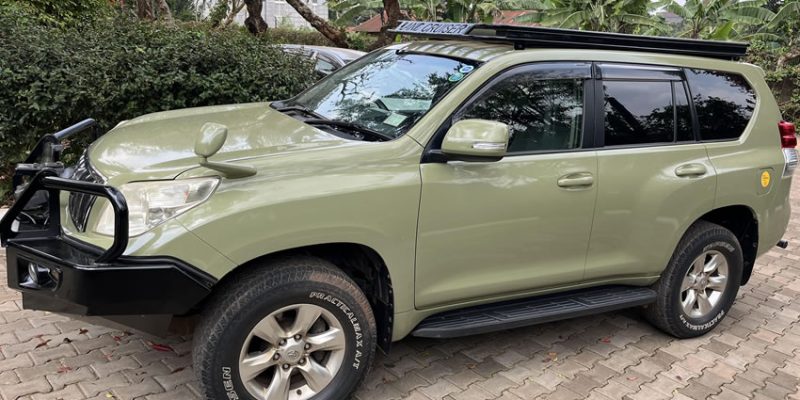
Car Hire with a Roof Top Tent for Self-Drive in Rwanda Rwanda is one of Africa’s easiest and most rewarding countries for a self-drive adventure. Roads are well maintained, the country is safe and clean, and short travel distances. You can wake up beside the misty forests of Volcanoes National Park, the cool shores of Lake Kivu, drive to the dense Nyungwe equatorial forest, and wind up watching lions, elephants and other savanna wildlife in Akagera National Park, all at your own pace. Instead of racing back to a lodge before dark, just add a roof top tent, your bed is folded on top of your vehicle, ready to open in minutes at any campsite. Car hire with a roof top tent combines transport, accommodation and equipment in one package, so you can travel further, spend more time in nature and often spend far less on accommodation than you would on hotels and lodges. This guide explains, in simple terms, how car hire with a roof top tent works. It covers the vehicles that can carry a tent, the types of tents available, the benefits of camping, essential tips for first-time self-drive campers, what to look for when choosing a tent, and the approximate costs in Rwanda, Uganda and on cross-border safaris. Rwanda is one of Africa’s easiest and most rewarding countries for a self-drive adventure. Roads are well maintained, the country is safe and clean, and short travel distances. You can wake up beside the misty forests of Volcanoes National Park, the cool shores of Lake Kivu, drive to the dense Nyungwe equatorial forest, and wind up your trip watching lions, elephants and other savanna wildlife in Akagera National Park, all at your own pace. Instead of racing back to a lodge before dark, just add a roof top tent, your bed is folded on top of your vehicle, ready to open in minutes at any campsite. Car hire with a roof top tent combines transport, accommodation and equipment in one package, so you can travel further, spend more time in nature and often spend far less on accommodation than you would on hotels and lodges. This guide explains, in simple terms, how car hire with a roof top tent works. It covers the vehicles that can carry a tent, the types of tents available, the benefits of camping, essential tips for first-time self-drive campers, what to look for when choosing a tent, and the approximate costs in Rwanda, Uganda and on cross-border safaris. Vehicles that can handle rooftop tents Not every car can carry a roof top tent. The vehicle needs a strong roof, a sturdy roof rack or load bars, good ground clearance and four-wheel drive for park tracks. A tent is usually 50 to 100 kg, plus two adults sleeping on it puts a lot of weight on the roof, so the rack must be built strongly enough to carry that weight. Rental companies fit their tents to vehicles that are already proven for this job. The most used vehicles include: Vehicle Why it works Best fit for Toyota Land Cruiser -LX Hardtop Extremely tough, high roof rack capacity, excellent off-road ability, easy to repair anywhere in Africa. Rough Park tracks, long trips, groups of 2 to 4 travellers. Toyota Land Cruiser GX / VX /- (V8) Large, powerful and comfortable with room for two tents on the rack and more luggage space Families and friends and those seeking comfort Toyota Land Cruiser Prado (TX / TZ) Smaller and more fuel efficient than a V8, easy to drive, fits one tent well. Couples and budget campers Toyota Hilux Double Cabin (pickup) Strong with load-carrying ability, tent sits over the load bed, good for gear. can carry a family tent Couples, and long-term adventurers Toyota RAV4 / similar SUV (light tents only) Economical, but requires low roof load limits. Only suitable with a lightweight tent and the rack must be approved by the rental company. Tarmac and light gravel routes, and travellers with tight budgets If you are planning to Visit Akagera national park, Nyungwe in Rwanda. or any remote travel destinations in Uganda, the most appropriate vehicle are land cruisers, They have raised body systems that can easily traverse marram, muddy and rocky sections in different parts of national parks. What is a rooftop tent car rental? A rooftop tent car rental combines a suitable 4×4 vehicle with a tent mounted securely on a roof rack. During the day, the tent remains folded and covered on top of the vehicle. When you reach an authorized campsite, you park the vehicle responsibly on a levelled ground, unfold or open the tent, extend the ladder and prepare your sleeping area. Most rentals of vehicles with roof top tents include a mattress, bedding, ladder and cover, along other camping equipment like chairs, a table, a cooking set (utensils), a gas stove and a car fridge. Types of roof top tents available for your trip at Self Drive Rwanda. Rooftop tents come in different sizes and are offered in different setups. Names and materials also differ. The right choice depends mainly on the number of travelers, luggage requirements and how much camping comfort you want. Single roof top tent. One tent mounted on the car roof, normally designed for sleeping two adult travelers. It is the lightest and cheapest option and works on most 4×4 vehicles including the Prado and Land Cruiser Hardtop. It suits couples, back packers, photographers, and friends travelling as a pair. Double rooftop tents (two tents) Two tents fitted side by side on a larger roof rack, sleeping 2-4 adults depending on their design. The tents are mounted onto a bigger vehicle such as a Land Cruiser GX, VX or V8. It is ideal for two couples, parents travelling with children, or friends travelling together but prefer private sleeping space each. Family roof top tent Is a larger tent designed for two adults and up to two children (or infants). Families enjoy […]
Is It Safe to Travel with Kids on an East African Safari? A family safari in Africa with kids is a great way for kids to get away from modern home gadgets, to experience a different way of life, and let their imaginations run wild when they see the unusual flora, animals, and insects of the African bush. Because wild animals frequently respond unexpectedly to anything smaller, slower, or younger than them, age limitations apply to youngsters going on an African safari. The vastness and diversity of Africa’s wildlife may overwhelm children after being taken from the comfort of their home. Imagine your child pressing their face to the window of a safari vehicle as a herd of elephants crosses the red dust of Amboseli, or whispering in wonder as a mountain gorilla looks back at them through the mist of Rwanda’s Volcanoes National Park. East Africa, from the savannas of Kenya and Tanzania to the rainforests of Uganda and Rwanda, offers families a rare chance to unplug, explore and learn together. But every parent asks the same question before booking an East African safari with kids: is it safe? The honest answer is yes, with the right planning. Wild animals are unpredictable, and a safari is not a theme park, so choosing the right age, lodge and guide matters. Take note of the minimum requirements and age for participants in a particular activity. This guide answers the questions families ask us most. Questions, Answered Is it safe to take children on an East African safari? Yes, when you travel with reputable operators and follow your guide’s instructions. Safari vehicles, guides and lodges are well used to families. Wild animals can react unexpectedly to anything smaller, slower or younger than they are, and for this reason, age limits and safety rules exist. Safety comes down to supervision, good lodge choice and realistic expectations. What is the earliest age to start travelling with a kid? There is no single answer, decisions depend on the child’s character and the parents. A useful test is whether your child can sit in a 4WD for two to three hours without becoming restless. Some children manage this, while others cannot. We feel ten is a wonderful age, because children can connect with guides and people they meet, and their behaviour on game drives and at the lodge is usually better. Lodges and camps have different rage restrictions, some provide planned kids’ rooms and activities, or an exclusive private safari home. Do all lodges and camps accept children? No. Each lodge sets its own child policy. Smaller, unfenced camps often set a minimum age, commonly around 12, because wildlife can wander through camp. Larger, fenced lodges in Kenya and Tanzania generally welcome children of most ages. An experienced East Africa travel consultant can match your family to the right property. Can children go gorilla or chimpanzee trekking? Gorilla trekking in Uganda and Rwanda requires visitors to be at least 15 years old, and this rule is strictly enforced. Chimpanzee trekking has its own age rules depending on the park, so confirm before booking. Younger children can enjoy other activities such as nature walks, cultural visits and boat trips. Should we book a private vehicle? We strongly recommend hiring a private vehicle mainly for the comfort of young children. If possible request your rental agency to provide private child seats especially for young kids who cannot sit on the vehicle seats comfortably. A private vehicle costs more, but you enjoy exclusive use and support of your driver-guide, so you can stop for a snack, a restroom break or a long look at the lions without worrying about other passengers. Flexibility keeps children happier, and it keeps everyone safer and more comfortable. What about malaria and health? Malaria occurs in much of East Africa, so speak to a doctor or travel clinic well before departure about prevention, vaccinations and child-appropriate medication Contact your travel agent for more information about the necessary medical requirements and certificates one should have before entering the country- Yellow fever, Covid 19 among others. Include a first aid kit in your travel pack. Use repellent, long sleeves at dusk and mosquito nets. Consultant about family itineraries in the region you wish to travel. How do children learn about local culture? East Africa provides the most ideal cultural experiences. Kenya and Tanzania are home to many ethnic groups, with Kenya counting around 42 tribes and Tanzania more than 100. Children may meet Maasai people in beaded shukas, visit a village, chat with residents and see a school or clinic. In Uganda, with over 65 tribes, each provides a unique cultural interactions and Rwanda. Local cultural experiences involve community visits, craft workshops, singing, dancing, sharing local cuisines, and storytelling. All these bring local life to children in a memorable way. What accommodation should we look for? Choose camps and lodges offering family rooms or tents, usually with two, or tripple bedrooms or family cottages and, importantly, two bathrooms. Game drives begin early, and having several showers makes the morning rush much smoother. Ask about fencing, night security and whether children’s meals and activities are provided. What safety rules should children follow on game drives? Remain seated, keep voices low, and never stand, shout or lean out of the vehicle. Keep hands and arms inside, never feed animals, and always stay with an adult at the lodge, especially after dark. Always follow your guide’s instructions without question. Can we combine safari with a beach or other break? Easily. In East Africa, a Kenya or Tanzania safari pairs beautifully with a few relaxing days on the beaches of Zanzibar or the Kenyan coast. Families in Rwanda or Uganda can add lake time on Lake Victoria in Uganda, boat cruises or a city stay in Kigali, giving children space to rest between early starts. Conclusion Travelling with children in East Africa is safe, rewarding and often life-changing when you plan thoughtfully. Match the trip to your child’s age and behaviour, choose family-friendly […]
10 Safari mistakes first-time travelers make in East Africa (and how to avoid them) Nobody forgets their first safari. The first time you see a giraffe striding across the plains at sunrise, or hear a lion’s roar roll across the dark, something shifts. It is the kind of trip people save up for years to take. But after talking with many travellers and guides, one thing is clear: most of the frustrations on a first safari are avoidable. They do not come from bad luck but from small planning mistakes that nobody warned the traveller about. Here are ten mistakes commonly seen, and how to steer clear of each one. Expecting / trying to see too much in too little time This happens to almost everyone. You open a map, see the Maasai Mara, Amboseli, Serengeti and Ngorongoro all within reach, and think, why not fit them all in a week? The honest answer is that you will spend most of that week in a vehicle, watching the road instead of the wildlife. Distances in East Africa are bigger than they look, and roads can be slow. A drive that seems short on the map can easily take six or seven hours. Most first-timers are far happier with two or three parks over seven to ten days. Staying two or three nights in one place lets you settle in, learn the rhythm of the landscape and catch those quiet moments, like a lioness stretching in the first light, that never make it into a rushed itinerary. Believing there is a “bad” time to go Travellers often get stuck on the question of the perfect month. The dry season, roughly June to September, is famous for good reason: the grass is shorter, animals gather around water sources, and the Great Migration River crossings draw the crowds and perhaps the best moments for tracking mountain gorillas. However, it is also the busiest and priciest time of year. The green season is equally charming. Landscapes turn lush, the skies are dramatic, baby animals arrive in huge numbers, and lodges are quieter and often offer discounted rates. You may get rain, usually in short bursts rather than all-day downpours. The real mistake is not choosing the wrong month, but it is choosing without knowing what each season offers. Decide what matters most to you, then match the timing. Treating the Big Five like a shopping list Africa’s Big Five – Lion, leopard, elephant, buffalo, rhino. Ticking them off sounds like winning a trophy, but such anxiety can quietly spoil the trip. Wildlife does not take instructions. Leopards re elusive and may stay hidden in a tree all morning, and rhinos are genuinely rare in many parks. Travellers who arrive with a specific checklist often drive past the small wonders: a dung beetle at work, a secretary bird stalking through the grass, or a herd of elephants crossing at dusk. Some of the best safari memories are things you never planned to see. Go with curiosity, not a scorecard, and the Big Five will often turn up as a bonus tip that adds to the entire trip excitement. Choosing the cheapest operator A very low price should make you pause but you should look at the package inclusions and other essential terms and conditions. On safari, your guide is the single biggest factor that determines how good your trip will be. A skilled guide reads animal behaviour, knows where to be at the right time and explains what you are seeing. A less experienced one just drives you from one sighting to another. Bargain deals usually cut corners somewhere: overcrowded vehicles, tired or poorly maintained safari cars, rushed schedules, or lodges far outside the park that add long drives each day. Inquire how many people share a vehicle, whether you are guaranteed a window seat, who the guide will be and what is included and excluded. Reading recent reviews helps you analyse if the company is properly licensed, preferably suitable and reliable. Packing the wrong gear/ over packing Bright white, loud prints and very dark blue or black are not ideal. Dark colours can attract tsetse flies in some areas, and bright clothes stand out against the bush. Stick to neutral shades like khaki, olive and tan. Equally common is overpacking, especially in hard suitcases. Many light aircraft flights between parks limit you to around 15 kilograms in a soft bag, so a rigid case at times may not be accepted or highly charged. Pack warm clothing, because early morning game drives are surprisingly cold, then hot by midday, a hat, and sunscreen work best, a good pair of binoculars and a power bank. You will not need a different outfit for every day. Forgetting about health and insurance It is easy to leave the boring admin until the last minute. Check well ahead which vaccinations are recommended or required for your route. Yellow fever certificate rules can depend on where you travel from. Talk to a travel clinic about malaria and typhoid, and Hepatitis A & B prevention and use insect repellents and wear long sleeves in the evenings. Have proper travel insurance too, ideally one that covers medical evacuation. Parks can be hours from a hospital, and a small emergency becomes a big one when help is far away. You will probably never need it, but you will be very glad it is there if you fall victim. Ignoring entry rules and hidden costs Visa and entry rules in East Africa have changed in recent years, with Kenya moving to an electronic authorisation system and the east African Tourist Visa ais mandatory for travellers willing to have cross border safaris in Uganda, Rwanda and Kenya, and Tanzania offers a separate e-visas, so do not rely on advice from an old blog post. Always check the official government sites for updates shortly before you travel. Some travellers often underestimate their budgets when they forget the extras: park entry fees, drinks at lodges, laundry, […]
Rwanda Safari Experiences Beyond Wildlife (Culture, Coffee & Adventure) Mountain gorillas are the first thing that most tourists mention when asked what they want to see in Rwanda. It’s a worthy dream. One of the most amazing experiences on earth is getting close encounter with a silverback and his family in the mist of Volcanoes National Park. However, tourists who depart Rwanda having only witnessed its fauna miss a lot of what makes this little, verdant, incredibly hospitable nation so special. Rwanda is home to world-class coffee and tea, rolling hills, dazzling lakes, historic royal customs, flourishing art, and people who have created a remarkable tale of resiliency and rebirth. The top safaris in this area provide equally fulfilling experiences in between wildlife sightings. This guide explores the Rwanda safari experiences that go beyond wildlife and show you the country’s full character. Understanding Rwanda: History, Memory and Hope A meaningful trip begins with understanding. Rwanda’s modern story cannot be separated from the 1994 Genocide against the Tutsi, and the way the country has chosen to remember, reconcile and rebuild is central to its identity today. Kigali Genocide Memorial. The country’s principal place of remembrance, a burial ground for more than 250,000 genocide victims and a carefully curated museum. Its exhibitions are sobering and dignified, and many visitors describe it as the most important hour of their journey. Allow time afterwards to sit quietly in the gardens to madidate on the situation and how reconciliation and peace were set in. Nyamata and Ntarama Memorials. South of Kigali, these church memorials preserve the sites where thousands sought refuge. They are raw and powerful, and best visited with a knowledgeable local guide. Reconciliation and renewal. Some itineraries include visits to community projects where survivors and former perpetrators now work side by side, offering a rare, honest look at how forgiveness takes shape in daily life. Visit these places with respect: dress modestly, follow guidance on photography, and give yourself space to reflect. Most travelers find the experience deepens everything else they see in Rwanda. 2.Royal Heritage and Living Culture The King’s Palace, Nyanza In Nyanza, the reconstructed palace of the Rwandan monarchy lets you step inside the traditional royal compound, with its elegant, thatched dome and woven reed interior. Nearby, the palace’s famous long-horned Inyambo cattle are bred and tended by herders who sing poetry to them. Seeing these graceful animals is a living link to centuries of royal tradition and the importance of cattle in Rwanda customs, culture and tradition. Intore dance and drumming Few sights capture the spirit of Rwanda like the Intore dancers: warriors in flowing headdresses leaping to the thunder of drums. Cultural villages near Volcanoes National Park, such as Iby’Iwacu Cultural Village, welcome guests for performances, craft demonstrations and hands-on activities. Try your hand at traditional archery, grind sorghum, learn to play the drums or join the dancers. The mood is joyful and participatory, and the proceeds support the surrounding communities. Museums and Crafts The Ethnographic Museum in Huye holds one of the finest collections in East Africa, covering everyday life, tools, art and ritual. Across the country, craft cooperatives sell Imigongo, the striking geometric art made from cow dung and natural pigments, along with woven agaseke peace baskets that have become a national symbol of unity. Buying directly from artisans puts your money straight into local hands. Explore Kigali: Africa’s cleanest and, creative capital Many safaris treat Kigali as a stopover though it deserves a proper stay.Kigali city is famous, clean, safe and easy to navigate. It is spread across hills that offer lovely views at sunset. What to see in Kigali. Art and design. Galleries and studios such as the Inema Arts Center, Caplaki Craft Village, Aziz life Studio, Ishema art Center, Imitako Arts and Crafts, Kraft Art centre among others, showcase contemporary Rwandan artisans, painters, sculptors and musicians. Many offer workshops, and it is easy to find original pieces to take home. Enjoy City tours by motorbike or on foot. Guided tours reveal neighbourhood markets, street murals and local cafés. The Kimironko Market is a vibrant place to browse fabrics, spices and fresh produce for personal home use and souvenirs. Food scene. Kigali’s restaurants range from traditional buffets serving Isombe (cassava leaves), brochettes and plantains, to creative modern kitchens that prepare international dishes. Rwandan hospitality is relaxed and warm. On the last Saturday of each month, communities across the country come together to clean and build. It is mandatory for all natives aged 16 and above. If your trip overlaps, ask your guide whether you can observe or join in respectfully. Taste Rwanda coffee and tea. Rwanda’s fertile volcanic soils and high altitudes produce some of the continent’s most prized and quality coffee, and the country is justly proud of its tea as well. Coffee tours. Visit a washing station and join farmers during harvest to see how cherries are picked, sorted, fermented and dried. Many experiences end with a cupping session, where you taste the difference between regions. Huye Mountain coffee in the Southern province and cooperatives around Lake Kivu are especially educative and Tea plantations. Near Nyungwe Forest, emerald terraces of tea stretch to the horizon. Tours explain how leaves are plucked and processed and let you sip freshly made tea overlooking the hills. Cooking classes. Learn to prepare local dishes with a host family or in a village kitchen, then share the meal. It is a delicious way to connect with everyday life. Best experiences offered by Aziz Life Experience and Nyamirambo Women’s center. Adventure Beyond the Parks Visiting national parks goes beyond wildlife. Tailor your itinerary to other park activities like : Canopy Walk in Nyungwe Forest One of Africa’s oldest rainforests, Nyungwe Forest national park offers a thrilling walk along 160m, a suspended bridge high above the treetops. The views over the canopy are unforgettable, and the forest trails reward hikers with waterfalls, orchids and a cool, misty atmosphere and sights of distant landscapes in Burundi and DR congo. Hiking the […]
What to Take on a Rwanda Safari What to Take on a Rwanda Safari, Planning a safari in Rwanda is exciting. Rwanda is a small, green and remarkably well organized country that offers some of Africa’s most intimate wildlife encounters. From mountain gorillas in the volcanic highlands to lions and elephants on the savannah of Akagera. Preparation and packing are key, so this guide covers what to arrange, what to pack and what to know before you travel/arrive. Before You Travel Travel Documents and Visa 1.Check the validity of your passport: it should be at least six months beyond your departure date. Many countries, Rwanda included, expect your passport to remain valid for six months after you plan to leave. Check the expiry date well and it should have at least three blank pages, before you book, as this simple step prevents problems at immigration offices and with airlines. 2.Arrange your visa in advance and confirm the latest requirements. Visa rules depend on your nationality, and some travelers have visa-free entrance, while others can obtain them online, or on arrival. Visit the official Rwandan immigration website or contact the nearest Rwandan embassy or consulate to confirm what applies to you. Regulations can change, so verifying them shortly before departure helps you avoid delays at the border. 3.Keep your permits and bookings with your documents. If your itinerary includes gorilla or chimpanzee trekking, carry printed or digital copies of your permits, along with your passport, as rangers need them for verification and identification at the park centre before briefing. Trekkers must also be at least 15 years old to go gorilla tracking, so confirm age rules if you are travelling as a family. Health Precautions Speak to your doctor or a travel clinic well before departure. Ask about recommended vaccinations and preventive medication, which commonly include hepatitis A and B, typhoid and malaria prophylaxis. Yellow fever vaccination may be required if you are arriving from a country where the disease is present, so carry your certificate if you have one. Starting early gives you time to complete any multi-dose courses and reduces the risk of preventable illness. Seeking medical attention helps the doctor to advise on which activities you can participate in or leave out. Activities like gorilla , chimpanzee tracking and volcano hiking require personalities with no heart or respiratory problems and should be physically fit. Carry a basic first aid kit. Include pain relievers, anti diarrhoeal tablets, antiseptic wipes, plasters, insect repellent and any prescription medication you take, ideally in its original packaging with a copy of the prescription from the doctor. With these essentials you can deal with minor problems quickly and keep enjoying your trip. Travel Insurance Buy comprehensive travel insurance before you go. Choose a policy covering medical emergencies, trip cancellation and lost or stolen belongings. If you plan to trek gorillas or chimpanzees, confirm that your policy covers hiking at altitude and, ideally, emergency evacuation. However, most rental companies in Rwanda do not offer full insurance. Read the rental agreement carefully and ask where you feel is not clear before signing it. Good insurance lets you focus on the experience rather than on what might go wrong. Currency and Payments The Rwandan franc (RWF) is the official currency. Carry some local cash for small purchases such as snacks, souvenirs, tips and local transport, because cards are not accepted everywhere, especially outside Kigali. Exchange money at banks or authorized bureaux. Inform your home bank about your travel dates so your cards are not blocked for unusual overseas activity. What to Pack Clothing and Gear Pack lightweight, comfortable layers in neutral colours. Rwanda’s climate is mild, but temperatures vary widely: Kigali is pleasantly warm, while the highlands around Volcanoes and Nyungwe can be cool, damp and chilly in the early morning and evening. Bring breathable long-sleeved shirts and trousers, a warm fleece and a waterproof jacket. Long sleeves also protect against the sun and insect bites. Please note that camouflage clothing is not permitted in Rwanda, so leave it at home. Bring sturdy, closed shoes with good grip. Gorilla and chimpanzee treks and volcano hikes often take travellers cross steep, muddy and uneven forest trails. Waterproof hiking boots, long socks and a pair of light gardening gloves for grabbing vegetation make the trek safer and more comfortable. Closed shoes are also advisable for walking safaris and nature walks. Protect yourself from the sun. At high altitude and near the equator the sun is strong even on cloudy days. Pack a wide-brimmed hat, sunglasses and high-SPF sunscreen, and reapply often during game drives and outdoor activities. Pack a small daypack with essentials. A light waterproof daypack keeps your water, snacks, rain jacket, camera and sunscreen within reach on long treks and game drives. A rain cover or dry bag protects your electronics from sudden showers, which are common in the highlands. Take binoculars and a good camera. Binoculars bring distant birds and wildlife into closer view, and Rwanda is a superb birding destination. Bring a camera with spare batteries and memory cards so you never miss any moment that requires photography. In low forest light, a camera that performs well in dim conditions is helpful but remember that flash photography is not allowed when viewing gorillas and chimpanzees. Luggage Choose soft-sided luggage. Soft bags, such as a duffel bag, are easier to handle and fit more easily into safari vehicles than rigid suitcases. Also remember that Rwanda has banned plastic bags, and they may be confiscated at the airport, so carry reusable or cloth bags for your belongings. Electrical Adapters Rwanda uses Type C and Type J sockets at 230 volts. Bring a suitable universal adapter for your phone, camera and other devices. Charging points can be limited in remote lodges, so a power bank is a sensible addition. Good to Know Before You Arrive Local Customs and Etiquette Learn a few words of Kinyarwanda. English, French and Kinyarwanda are widely spoken, so this is optional, but […]
Sep
4-Days Golden Monkey & Gorilla Safari — Rwanda 4-Days Golden Monkey & Gorilla Safari, Rwanda, the “Land of a Thousand Hills,” offers one of Africa’s most rewarding short safaris. In just four days, you can trek face-to-face with endangered mountain gorillas, track playful golden monkeys through bamboo forests, immerse yourself in local Rwandan culture, and explore the volcanic landscapes of Volcanoes National Park — all within easy driving distance of Kigali. This itinerary is ideal for travellers with limited time who still want a complete, authentic wildlife and cultural experience. Self-drive or chauffeur-driven 4×4 rentals are the perfect way to cover the roughly 2–3-hour route between Kigali and Musanze/Kinigi comfortably, with the flexibility to stop for photos and local markets along the way. Trip highlights Day 1: Kigali Arrival ➔ Kigali City Tour ➔ Drive to Volcanoes National Park Day 2: Morning Mountain Gorilla Trekking ➔ Afternoon Cultural Village Visit Day 3: Morning Golden Monkey Tracking ➔ Twin Lakes Excursion or Rest Day 4: Drive Back to Kigali ➔ Souvenir Shopping ➔ Airport Departure Detailed Itinerary Day 1: Arrival in Kigali ➔ City Tour & transfer to Volcanoes National Park Arrive at Kigali International Airport, where your rental company representative and 4×4 vehicle will be waiting. Or the driver-guide will meet you at your hotel in Kigali. If a self-drive trip, complete the rental procedures like signing the rental agreements, briefing about the vehicle and making payments. Spend the morning to afternoon hours exploring Kigali: visit the Kigali Genocide Memorial for a moving historical perspective, stroll through the Kimironko Market for local crafts and produce. After lunch, begin the scenic 2.5–3-hour drive north to Musanze (Ruhengeri), gateway to Volcanoes National Park, passing terraced hillsides and volcano views along the way. Check in to your lodge in the evening. Accommodation: Luxury: One&Only Gorilla’s Nest, Singita Kwitonda Lodge Midrange: Five Volcanoes Boutique Hotel, Da Vinci Gorilla Lodge Budget-Friendly: Amakoro Songa Lodge, Tiloreza Volcanoes Ecolodge Day 2: Mountain Gorilla Trekking & Afternoon Cultural Village Visit Rise early for briefing at the park headquarters before setting off with rangers to track one of the habituated gorilla families. Trekking time varies from 1 to 6 hours depending on the family’s location, through forest and bamboo slopes. The hike rewards with an unforgettable hour spent observing gorillas in their natural habitat. In the afternoon, visit and relax at the Iby’Iwacu Cultural Village, a place where former poachers and local performers showcase traditional dance, music, herbal medicine practices, and daily Rwandan village life. This is an educative, meaningful, community-supporting experience. Accommodation: Luxury: One & Only Gorilla’s Nest, Singita Kwitonda Lodge Midrange: Five Volcanoes Boutique Hotel, Da Vinci Gorilla Lodge Budget-Friendly: Amakoro Songa Lodge, Tiloreza Volcanoes Ecolodge Day 3: Golden Monkey Tracking & Twin Lakes Excursion or Relaxation. After breakfast, head back into Volcanoes National Park for a lighter, shorter trek that typically lasts for 1–4 hours- golden monkey tracking. golden monkeys are another group of endangered, highly active species found only in the Virunga bamboo forests. Watching them leap through the canopy makes wonderful contrast to the previous day’s calm gorilla encounter. In the afternoon, choose between two options: a scenic excursion to the Twin Lakes (Burera and Ruhondo) for boat rides, canoeing, and panoramic viewpoints, or a relaxed rest afternoon at your lodge to unwind by the fire or enjoy spa facilities as you reflect on the primate encounters. Accommodation: Luxury: One Only Gorilla’s Nest, Singita Kwitonda Lodge Midrange: Five Volcanoes Boutique Hotel, Da Vinci Gorilla Lodge Budget-Friendly: Amakoro Songa Lodge, Tiloreza Volcanoes Ecolodge Day 4: Drive Back to Kigali, Souvenir Shopping & Airport Departure Enjoy a leisurely breakfast before the scenic drive back to Kigali. Depending on your flight time, stop in Kigali for last-minute souvenir shopping, reach out to a craft centre for handwoven baskets, and other local art that makes excellent gifts, later transfer to Kigali International Airport for your departure flight. If you are a self drive visitor, meet your rental company representative to return the vehicle before departure. Inclusions Airport pick-up and drop-off 4×4 vehicle rental with experienced driver-guide (or self-drive option available) Fuel and road tolls for the itinerary route 3 nights’ accommodation and meals Kigali city tour with entrance fees (Genocide Memorial, market visit) 1 Gorilla trekking permit 1 Golden monkey tracking permit Iby’Iwacu Cultural Village entrance fee Bottled water during transfers All applicable government taxes Exclusions International flights Rwanda visa fees Optional activities -Twin Lakes boat/canoe activity fees (optional add-on) Tips and gratuities for guides, porters, and trackers Personal Travel and health insurance Personal expenses (souvenirs, laundry, phone/internet) Porter fees during treks (optional but recommended)
Sep
Golden Monkey Trekking for the Elderly: A Gentle Primate Adventure in the Virunga Mountains Golden monkey trekking is often overlooked in favor of its more famous cousin, gorilla trekking, yet it is one of the most rewarding and accessible primate experiences in East Africa. For senior travelers who want a genuine encounter with wildlife without the strenuous demands of a full-day hike, golden monkey tracking offers the perfect middle ground: shorter trails, gentler terrain, and an hour spent watching one of Africa’s most animated and colorful primates leap through bamboo forest. With the right planning, appropriate pacing, and adequate support, elderly travelers can enjoy this experience comfortably and safely. Where Golden Monkeys Can Be Found Golden monkeys are endemic to the Virunga Massif, a chain of volcanoes shared by Rwanda, Uganda, and the Democratic Republic of Congo. The two parks that offer organised golden monkey tracking experience for visitors are: Volcanoes National Park, Rwanda – located in the northwest of the country near the town of Kinigi. This park is home to two habituated troops, the largest commonly spotted on the slopes of Mount Sabyinyo with about 100 individuals. Mgahinga Gorilla National Park, Uganda – found in the far southwest of Uganda, close to the borders with Rwanda and the DRC. This park also holds two habituated troops. Mgahinga National Park additionally offers a longer, four-hour habituation experience for visitors who want a deeper interaction. Both parks provide a moderate altitude for golden monkey trekking compared to the gorilla trekking zones, the golden monkey habitat is usually closer to the park borders, so the trekking trails are shorter and give quick access to the monkeys. How the Experience Is Done Trekking begins early in the morning with registration at the park headquarters, usually by 7:00 a.m. Visitors are grouped, given a briefing on park rules and monkey behavior, then driven a short distance to the trailhead. In Rwanda, tracking starts at Kinigi park centre and In Uganda treks start from Ntebeko gate, From the starting point, guides and trackers lead the group into the bamboo forest, where the trackers have typically already located the troop the same morning. Once the group locates the monkeys, visitors are given a full hour to observe, photograph, and enjoy their playful antics before returning to the trailhead. If you opt for the golden monkey habituation experience in Uganda, your presence and interaction with the animals will last for four hours. For elderly travelers, and anyone with mobility concerns , they are advised to discuss options with their tour operator in advance. What Should Elderly Travelers Consider? The most important consideration is not age alone but mobility, stamina and comfort on uneven terrain. Older travelers should honestly assess how comfortably they can walk uphill, negotiate muddy ground and remain on their feet for several hours. It is advisable to tell the tour operator about mobility limitations before booking. This allows the operator to arrange appropriate guides, porters, transport and other assistance. Rwanda has specific provisions for travelers requiring additional accessibility support. Visit Rwanda states that park staff can assist lesser-abled visitors and, where necessary, provide strong physical support or a stretcher for people who cannot walk. However, accessibility arrangements should be confirmed in advance rather than assumed to be automatically available for every golden monkey trek. Older travellers should also consider altitude. Volcanoes National Park lies in a high mountainous environment, and the combination of elevation, cool temperatures and physical activity can make the trek feel more demanding than an ordinary walk. Equipment and Assistance Required for elderly travellers. Elderly trekkers are strongly encouraged to prepare with the following: A walking stick – available and given out freely at the park headquarters, and genuinely useful to remain firm as you hike. Porters – These are members of the local community who can be hired at the trailhead to carry daypacks and, when needed, offer a steadying hand or arm on difficult sections. They also help carry the disabled trekkers on stretchers or sedan chairs. Hiring a porter is not expensive but directly supports the local community. Sturdy, closed hiking shoes or boots with good ankle support and grip. Layered clothing – long trousers, a light waterproof jacket, and a warm layer for cooler mornings, since weather in the Virungas is un predictable. Gardening gloves to protect hands from stinging nettles and touching thorny vegetation. A hat, sunscreen, and insect repellent. Drinking water and a light snack to keep you hydrated and energized. Personal medication, carried in an easily accessible pocket. People who use a walker at home or get tired quickly on inclined grounds should let the tour company know when placing their bookings so that they can assign a patient guide and, if possible, plan a route to the closer troop. What to Expect During the Trek The forest floor is often soft and shaded by dense bamboo, with occasional stinging nettles along narrow paths. Guides set a measured pace and pause frequently, both to check the group’s comfort and to listen for the troop’s movement. Golden monkeys are highly active and rarely stay still, so the hour spent with them is full of movement: monkeys leaping between bamboo stalks, feeding, grooming, and interacting within their large troop. Because they are considerably more numerous and mobile than gorillas, sightings are lively but require a bit of neck-craning and patience with shifting camera angles. After the encounter, the group retraces its steps to the trailhead, where vehicles wait to return everyone to the park headquarters. How to Book the Golden Monkey Trek for the Elderly Permits are limited and should be booked well in advance, ideally two to three months ahead during peak season. In Rwanda, permits are issued through the Rwanda Development Board, while in Uganda they are issued through the Uganda Wildlife Authority. Most senior travellers book through a licensed tour operator, who can: Arrange the permit on the traveller’s behalf. Select a troop known to range close to the trailhead. Provide a private […]
Sep
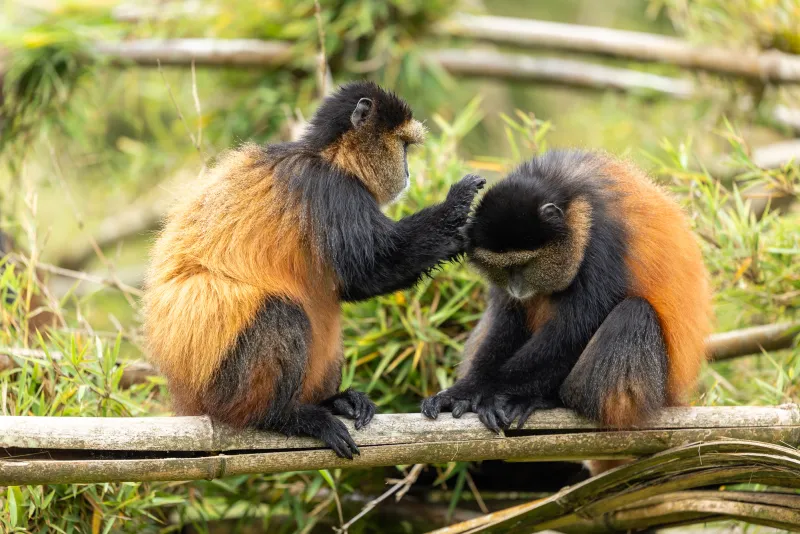
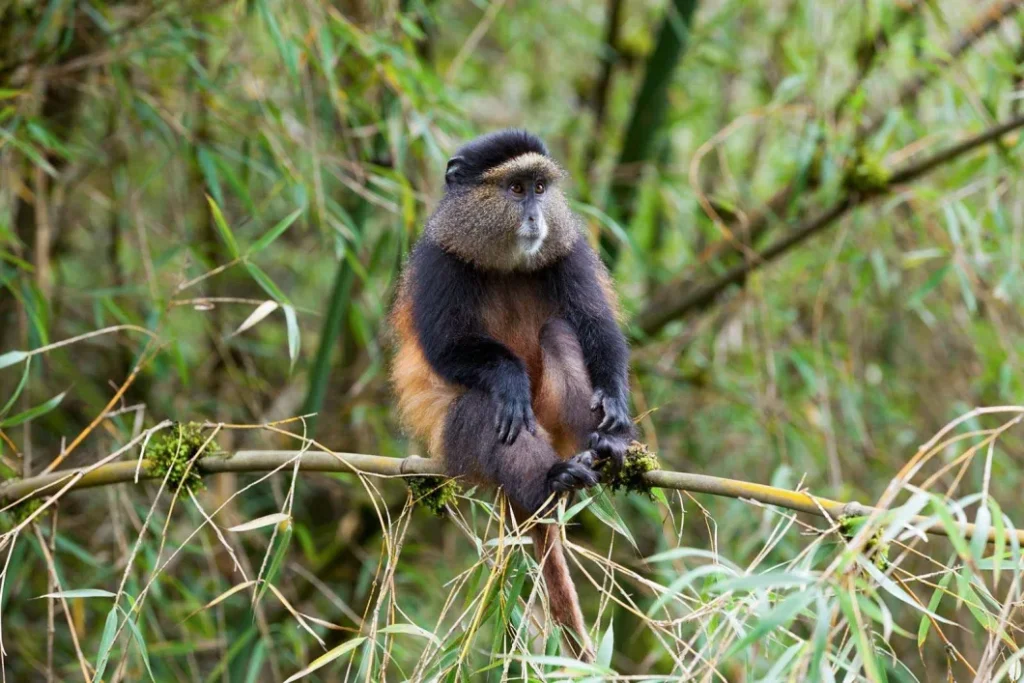
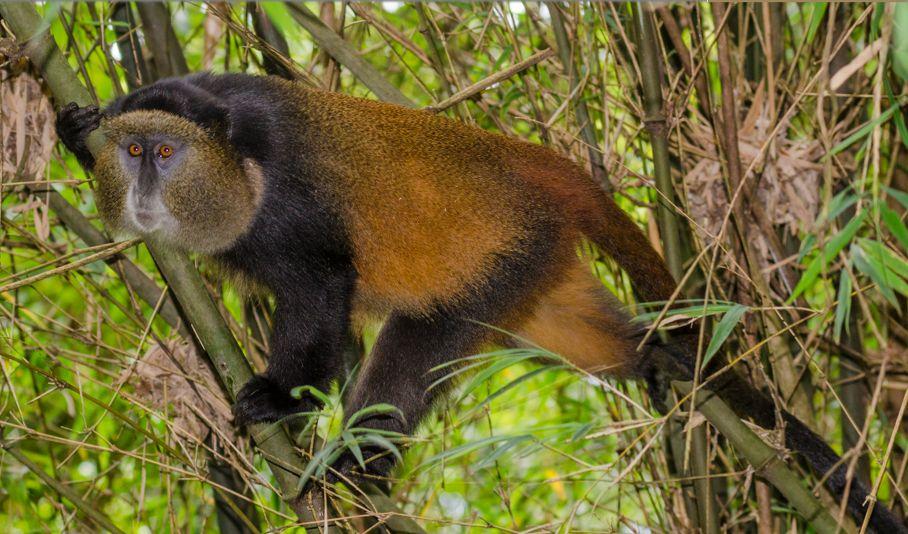
The Ultimate Guide to Golden Monkey Tracking in Volcanoes National Park- Rwanda. When you ask for what draw most travelers to Rwanda’ volcanoes National Park, the most common answer always the mountain gorillas. But tucked in the same misty bamboo forested zones of the Virunga Massif lives another specie of endangered primate that many visitors end up loving just as much, if not more: the golden monkeys. Playful, agile, endlessly curious, energetic, and their bodies covered with orange and black fur that seems to glow when sunlight cuts through the canopy- golden monkeys are one of Rwanda’s best-kept adventure secrets. Golden monkey trekking in Rwanda takes place in Volcanoes National Park, northwest of the country, and it offers something gorilla trekking can’t quite match: speed, energy, and a troop that never sits still for long. If you’re planning a primate safari in Rwanda, this guide walks you through everything you need to know before you embark on this moderate forest hike, another opportunity to support Rwanda’s conservation efforts. Where are Golden Monkeys found? Golden monkeys (Cercopithecus kandti) are sub species of the blue monkey and are endemic to the Albertine Rift, found only in the Virunga volcanic massif- a chain of eight volcanoes straddling Rwanda, Uganda, and the Democratic Republic of Congo. In Rwanda, the golden monkeys find refuge in the bamboo and montane forests of Volcanoes National Park, mainly on the lower slopes of Mount Sabyinyo, Mount Gahinga, and Mount Bisoke, where dense bamboo groves provide both cover and are their favourite meal. Golden monkeys live in family units of 10 to 15 individuals but at times can congregate to form much larger troops of several dozens. According to 2017- 2018 research in Volcanoes national park, an estimate of 4626 golden monkeys was discovered thriving and relatively stable in the habitat. Two troops of these endangered primates in the park have been habituated for tourism, each numbering close to a hundred individuals, which makes sightings almost guaranteed and gives you a real chance to watch complex social behaviour unfold in front of you rather than catching a fleeting glimpse. Habituated golden monkey families in Volcanoes National Park: Kabatwa Group: This is the first of the two golden monkey groups-ever monitored and studied in Rwanda. It was named after the hill where it was first identified. This group is usually spotted in at the foothills of Mount Sabinyo, always dynamic with 80 to 100 members and is actively studied by conservation groups mainly the Dian Fossey Gorilla Fund. Musongo Group: This is another habituated golden monkey group in Volcanoes national park, comprising of roughly 100 members and commonly spotted on the slopes of Mount Sabinyo and Mount Karisimbi. Other places to find golden monkeys Outside Rwanda, small populations of golden monkeys survive in Uganda’s Mgahinga Gorilla National Park and in Congo’s Virunga National Park, but Rwanda offers by far the most reliable and well-managed trekking experience of the three. Nevertheless, the species remain vulnerable because of limited habitat which at times faces pressures like bamboo harvesting, firewood collection and other human activities. The Golden Monkey Trekking Procedure Your adventure day begins with an early, registration at the park headquarters at Kinigi, park headquarters of Volcanoes national park, where all trekkers are expected to report at 7:00 am, gather for a briefing from park rangers, covering park rules, trekking etiquette, and safety guidelines. A maximum of 16 visitors is permitted per troop in Rwanda, and you’ll be assigned a guide and armed ranger to lead you through the adventure. From headquarters, a short drive brings you to the trailhead nearest that day’s known troop location. Trackers head out ahead of the main group at dawn to locate the monkeys, so by the time you set off walking, your guide usually has a rough idea of where to head. The hike itself is generally gentler than gorilla trekking, taking anywhere from 30 minutes to two hours through farmlands, forest edge, and bamboo thickets, though the terrain can be muddy and an altitude that requires a reasonable level of fitness. Sturdy hiking boots, a rain jacket, and gardening gloves for grabbing at vegetation are worth including to your pack. Once you locate the troop, you’re allowed to spend one hour observing and following them. Because golden monkeys move constantly through the bamboo, feeding, chasing each other, and leaping between branches, your ranger will guide you on how to stay close to the action while keeping a respectful distance, for both your protection and the monkeys. At times these monkeys move high in bamboo, so cameras with zoom lens and binoculars make your photography the best. The experience is worth the cost. How Golden Monkeys Communicate One of the most fascinating aspects of golden monkey tracking is listening to the forest come alive with their calls. Golden monkeys are highly social animals that live in large, troops, and mainly rely on a rich mix of vocal calls, facial expressions, and body postures to keep the group coordinated. Alarm calls warn troop members of approaching danger, such as birds of prey or other predators, while softer contact calls help individuals stay in touch as they forage across a wide area of forest. Besides communication through sound, grooming is equally an important communicative role, reinforcing social bonds, resolving tension between individuals, and maintaining the hierarchy within the troop. Younger monkeys communicate constantly through play, chasing, wrestling, and mock fighting, behaviour that both strengthens social ties and sharpens the skills they’ll need as adults. This social behaviour is the main reason the experience feels so lively and breathtaking. Diet and Feeding behaviour Bamboo is the backbone of the golden monkey’s diet, and it’s the main reason they’re so closely tied to the specific forest zones where it grows. With scientific research by the Virunga groups, bamboo leaves make up 75 – 87% of the golden monkey diet. They feed primarily on young bamboo shoots and leaves, supplementing this with fruits, flowers, seeds, and occasionally insects. They […]
Sep
How to Make the Most of your Car Rental experience in Rwanda Rwanda is known as the Land of a Thousand Hills, and there is no better way to see those hills than from behind the wheel of your own or rented safari vehicle. Renting a car gives you the freedom to move at your own pace and explore places that buses and organized tours often skip. From the misty mountains of Volcanoes National Park to the calm shores of Lake Kivu and the busy streets of Kigali, a rental car opens up the whole country to you. Rwanda’s main roads are generally well surfaced, while some smaller roads can be rough, especially during the rainy season. However, renting a car is far from simply picking up a vehicle and starting your journey. Choosing the right car, understanding local road conditions and planning your routes can make your trip safer, easier and more enjoyable. This article explains, in clear and simple terms, how to get the most out of your car rental experience in Rwanda. Choose the right vehicle for your trip Not every car suits every journey. Your vehicle choice largely determines the beauty and convenience of your experience. Therefore, before placing your booking, think about the places you wish to visit and number of people traveling with you. Fuel consumption, size of the vehicle to fit all your luggage and comfort must also be considered. If you plan to stay mainly in Kigali city, a small sedan is enough and will save you fuel. But if you plan to visit national parks, rural villages, or areas with rough roads, a four-wheel-drive (4WD) vehicle is a better choice. Roads leading to places like Nyungwe Forest or Volcanoes National Park can be steep and unpaved in some sections. Picking the right vehicle from the start means less on no problems hence a smoother trip. Book in advance Rwanda’s tourism industry has rapidly grown, especially concerns around gorilla trekking and wildlife tourism, this calls for vehicle advance bookings good, particularly during the dry seasons from June to September and December to February. Booking your car a few weeks or months ahead gives you more choice, better prices, and time to ask questions about the vehicle and have a clear route plan. Decide between Self-Drive and a rental with a driver In Rwanda, you can either drive yourself or hire a car together with a professional driver. Self-driving gives you full control and independence. However, hiring a driver has real advantages too. Local drivers know the roads, understand traffic rules, and can act as informal guides, pointing out interesting places along the way. If you are new to Rwanda or not used to driving on hilly, winding roads, a driver can make your trip safer, comfortable and more relaxing. Understand local driving rules Rwanda drives on the right-hand side of the road, and traffic laws are strictly enforced. Speed limits are respected, seatbelts are required for everyone in the car, speed cameras at several spots, and using a phone while driving is not allowed. Rwanda is also known for being one of the cleanest and most orderly countries in Africa, and this shows in how seriously traffic rules are followed. Before you drive, take a few minutes to learn the basic road signs and speed limits so you avoid fines, protect yourself, and other road users for safety. If you are not sure of any traffic rule, ask your rental company before starting your trip. Check the car thoroughly before you leave Before driving off with your rental car, take time to inspect it carefully. Check the tires, brakes, lights, and mirrors. Make sure there is a spare tire and a jack in the trunk. Take photos of the car from different angles, noting any existing scratches or dents. Take photographs or videos of the car before departure, especially of any existing damage This simple step protects you from being blamed for damage that was already there and gives you peace of mind throughout your trip. Plan your route with fuel stops and leave room for delays. While Kigali has many fuel stations, rural areas can have fewer options, especially near national parks. Before setting out on a long drive, fill your tank and, if possible, carry some extra fuel in cans for remote areas, especially if you are heading toward places like Akagera National Park or the Congo-Nile Trail. Taking stops at some viewpoints like local markets, restaurants and cultural centres makes you trip more adventurous. Travelling by car is a convenient way to explore the country and connect different destinations and national parks. Carry the right personal and vehicle documents. Always carry your driving license, passport, and rental agreement with you when driving in Rwanda. If you are a foreign visitor, an International Driving Permit is often required alongside your national license. Police checkpoints are common on major roads, and having your documents ready makes these stops quick and stress-free. Respect the Roads and the Weather Rwanda’s hilly landscape means roads often have sharp bends and steep slopes. During the rainy seasons, from March to May and October to November, some roads can become slippery or muddy. Drive slowly on these roads, especially in the evening or during heavy rain. Being patient and cautious, rather than rushing, will keep you and other road users safe. Respect Rwanda and its communities A road trip is also an opportunity to experience Rwanda beyond its major tourist attractions. Your trip may take you through villages, farming communities and small towns. Drive respectfully through these areas. Slow down near homes, schools and markets, avoid unnecessary horn use, and respect other road users. Take care when stopping to take photographs. Avoid taking photos of natives without their permission and always respect local people and their property. Travelling responsibly makes the experience better not only for visitors but also for the communities they meet. Explore Beyond the most popular attractions. Many visitors focus only on […]