
Culinary Trips in Rwanda.
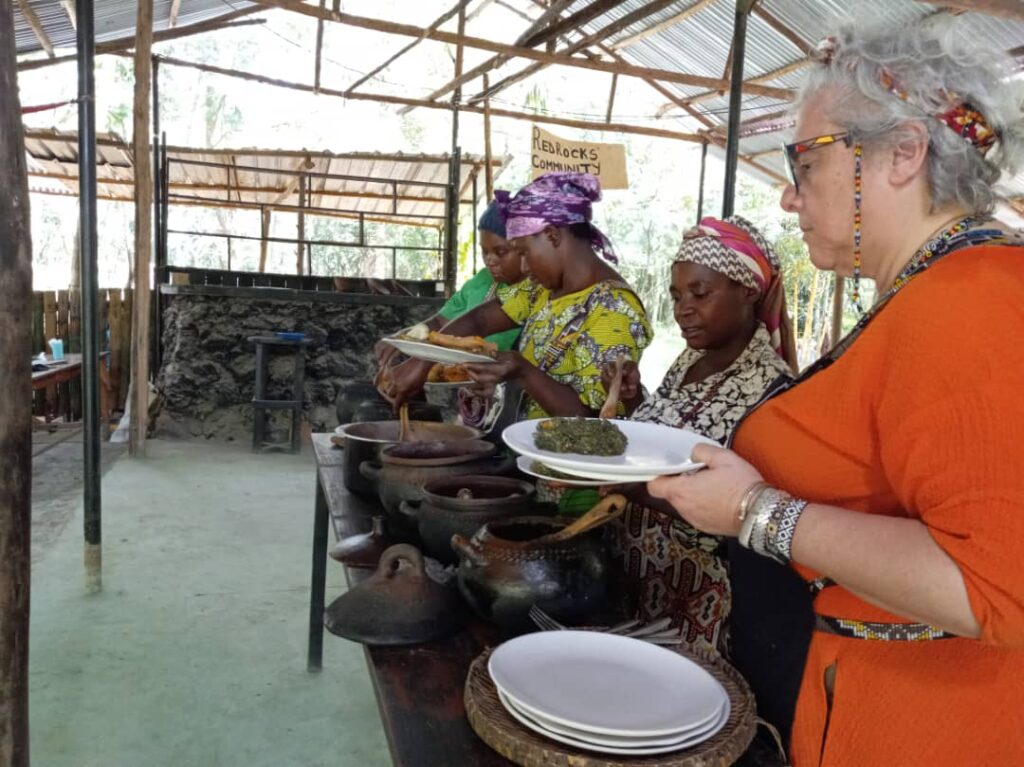
Beyond Rwanda’s rolling hills and popular mountain gorilla treks, is rich culture and tradition that is greatly reflected through the gentle sprit of the natives and food. One of the best and most authentic ways to learn about Rwanda’s culture, people, and customs is to take a local food tour. Rwanda provides a lot of fresh foods with rich tastes prepared by very friendly people. You can taste real local food, visit busy markets, and join the local chefs to prepare a meal.
Are you trying freshly caught fish by Lake Kivu, learning to brew banana beer with local farmers, or sampling roasted corn by the roadside—every moment becomes an immersion into the heart of Rwanda’s hospitality.
Pricing food tours.
The cost of your tour is largely determined by the location and experience you choose. From the bustling city, peaceful markets, rural kitchen interactions, beach feasts, to estates or farms, each journey is inspired by local flavors. How you feel, the people you meet and the memories from your experience are considered important and are a deep connection to natural Rwanda.
Modern traditional dining tours in Kigali.
Rwandan cuisine is centered around traditional food tours, although the country’s urban culinary industry is swiftly developing. Today, Kigali is home to an increasing number of creative chefs that combine local dishes with global technologies.
Manny hotels and restaurants offer menus containing both local and international dishes to satisfy the needs of every visitor. Menu ingredients include plantain(bananas), sweet potatoes. cassava, Irish potatoes, yams, green vegetables, fish stew, meat stew and other fried, roasted or grilled foods.
Notable places for Rwanda traditional food cuisines in Kigali include, Repub Lounge, Anda Kigali, Nyurah, Kozo Kigali restaurant, Fusion restaurant, The Hut Restaurant and Boutique Hotel, Pili Pili, Brachetto, Meza Malonga Lab and many others. All these city corners are a true definition of “where tradition meets innovation”.
City walking food tours
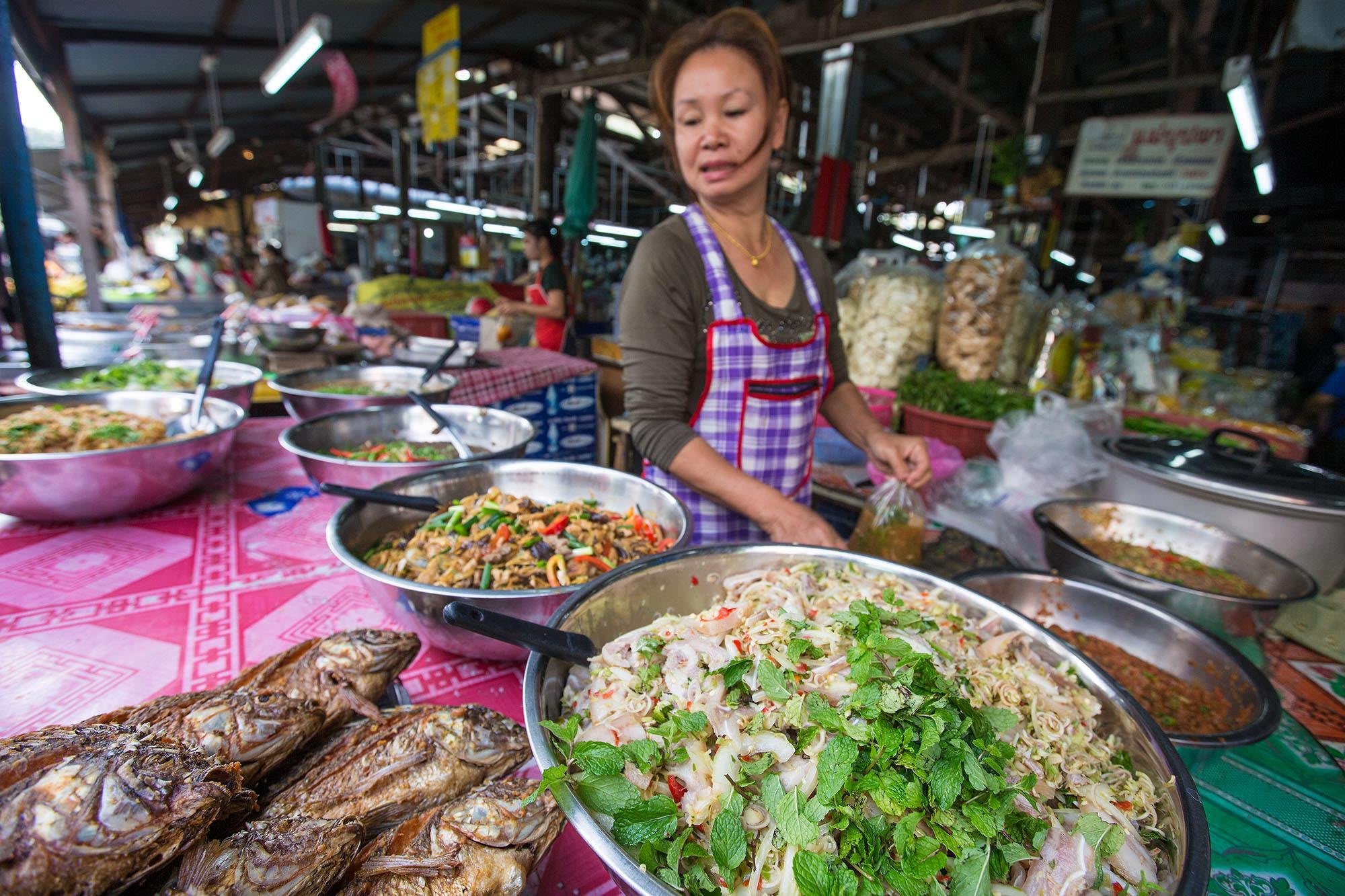
Most Kigali food tours start in Kimironko Market, the city’s biggest and most vibrant market. Walk through stalls full of fresh fruits and vegetables including pineapples, bananas, and avocados and sized melons. Cassava, plantain, potatoes, yams and other fresh produce. With your local guide, get to learn about the important foods in Rwandan cooking and how these foods are incorporated in everyday meals to create the best flavours. You will also get to interact with the local market vendors for a deeper insight into Rwanda’s food culture.
Apart from the market food tour, you can opt for a visit to the milk bars. According to Rwandans especially the Tutsi community, cows and milk are iconic symbols of wealth and purity. At the milk man’s residence, learn the milking process, preservation and processing to different by products. Tasting fresh milk at unique hubs is another small but recognized event that creates togetherness to strengthen cultural norms.
Cooking Classes
Connect to this meaning full way of embarking on Rwandan food experience. Cooking classes are tied to family life, community, history and agriculture.
While in Kigali, tailor your food tour for a cooking class experience and join the Nyamirambo women’s group to be part of preparing the local dishes. It all starts with moving to the market with the local women, to preparation and later dining. Have an opportunity to experience the process of making other foods like chapatis, samosas and other crunchy and deep-fried foods.
Farm to table experiences
In the Southern province (Byimana) and the Northern province (Kinigi), step into the daily rural life directly through the Aziz life experience to participate in local meal preparation. This authentic meal preparation involves joining the rural women participate in hands-on activities like collecting water, firewood and plantains like cassava, bananas, and green vegetables from the farms. proceed home for activities like peeling, washing, pounding, grinding, and cooking with the guidance of a local hostess. You will enjoy a simple vegetarian meal with the host community as you get deeper insights into their daily lives and cultural values.
Local beverage testing
Discover how to make traditional Rwandan banana beer (Urwagwa). Interact with locals and enjoy the unique local Rwandan brew taste. Enjoy the procedures from harvesting, preparation and tasting. The process begins with smashing ripe bananas, mixed with sorghum and left to ferment for some days. Visitors are often served in traditional calabash along with sweet potatoes and roasted ground nuts. This is one way of discovering the heartfelt traditions and a rich culture.
Best places for tours about this experience are
– Redrocks Intercultural Centre in Volcanoes National Park,
-Byimana Village in the Southern province offered by Aziz life experience
Coffee and tea plantation tours
At Gisakura tea plantation near Nyungwe forest National Park in the southern part of the country, join the local farmers to take you through the tea growing, harvesting (hand-picking), processing, packaging until consumption stage.
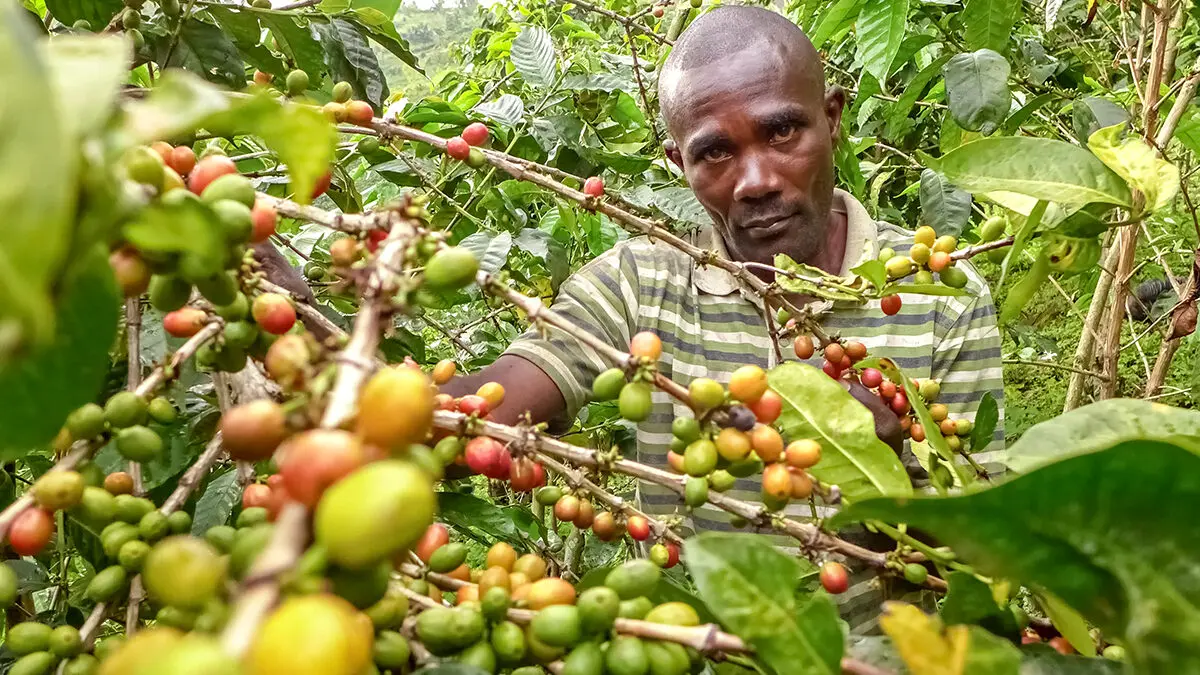
At Kinunu coffee plantation and other places around lake Kivu, embark on a coffee tour, watch coffee picking, washing, drying, sorting and processing. At the end of your visit, taste and feel the aroma of Rwanda’s fresh coffee. Such rural tours are more than culinary but a direct connection to land and tradition.
Fresh fish feasts (At Lake Kivu shores and Akagera National Park)
At the serene shores of lake Kivu, meet several fishing communities that provide both fishing activity and meal preparations. The fish types commonly prepared are tilapia, sambaza and Nile perch.
In the main towns of Gisenyi and Kibuye, fishermen are always seen in the early morning hours removing their catch from the water, women preparing to take some to markets and the remainder is consumed at relaxation beaches.
On your food tour at the shores of lake Kivu, join the locals to prepare grilled fish and stew. Its always served with fried cassava and vegetables.
The trip becomes more enjoyable when you participate in the night fishing experience or sport fishing because in most cases, you are allowed to consume your catch.
The evenings at the lake shores are more vibrant with rhythmic sounds alongside a taste of banana wine or a cup of fresh Rwandan coffee.
In Akagera national park, visitors are allowed to participate in sports fishing on Lake Shakani. With your fishing gear, a fishing permit, and the assistance of local fishermen, go ahead and enjoy nature. After the activity, you are allowed to take your catch. You can prepare it at the accommodation or grill/ roast with colleagues at a campfire while camping.
Traditional Rwanda dishes to look for on a food tour.
Isombe: It consists of smashed cassava leaves, usually mixed with spices, or dried fish or ground nuts.
Ugali /Ubugali: this is a dough made from corn flour or cassava flour. its always serves with beans soup, meat stew, chicken stew and vegetables.
Ibihaza: this is a traditional tasty stew that is made of beans and slow- cooked pumpkin.
Matoke (bananas): This is a common food in many African counties including Uganda, Burundi, Kenya and Tanzania. Though most common in Uganda, Matoke is also prepared among Rwandan tradition dishes. it can be smashed, boiled, stewed, roasted or fried depending on one’s choice. It is a type of food that can be served and is tasty with any kind of soup.
Brochettes: these are grilled meat skewers that were introduced to Rwanda by the French. Spiced sizeable pieces of meat are lined on skewers grilled or roasted and served with fresh vegetables in both restaurants and bars. Many people enjoy them with alcoholic drinks and wines.
Agatogo: This is a tasty stew made from a mixture of different foods one has for preparation. Plantain remains the basic content of this dish. Other Ingredients can be, crushed/ponded peanuts, beans, leafy green vegetables, meat and other spices.
Conclusion
Food is basic need that every human should have. When you visit Rwanda, you will realize that the country’s varied rich cuisine results from successful agricultural practices. Rwandan food, which ranges from Isombe and Brochettes to banana beer and sorghum, will leave you mouth watering. Whether you are at making your food tour at any eatery in Kigali or in any village in the country, you will live to remember a taste of rich Rwandan culture and tradition.