
The beauty of Kimironko market in Rwanda.
In the heart of Rwanda lies the country’s largest market and shopping area. Kimironko Market is one of the well-established tourist attractions that every visitor should not miss while on a Rwanda safari. Visits to this bustling market are usually conducted as part of the Kigali City tour.
Kimironko market features Rwandan products, as well as those from neighboring countries such as Uganda and the Democratic Republic of Congo. The market has a variety of products, including essential goods like fabric and foodstuffs. Everyone in Kigali and the surrounding area is welcome to look over the various products at this fascinating and multipurpose market.
This complex market is in the city center, adjacent to a bus station and a moto-taxi stage, where buyers can access them as they take off for home. It has four main equally sized entry points that give access to different market sections.
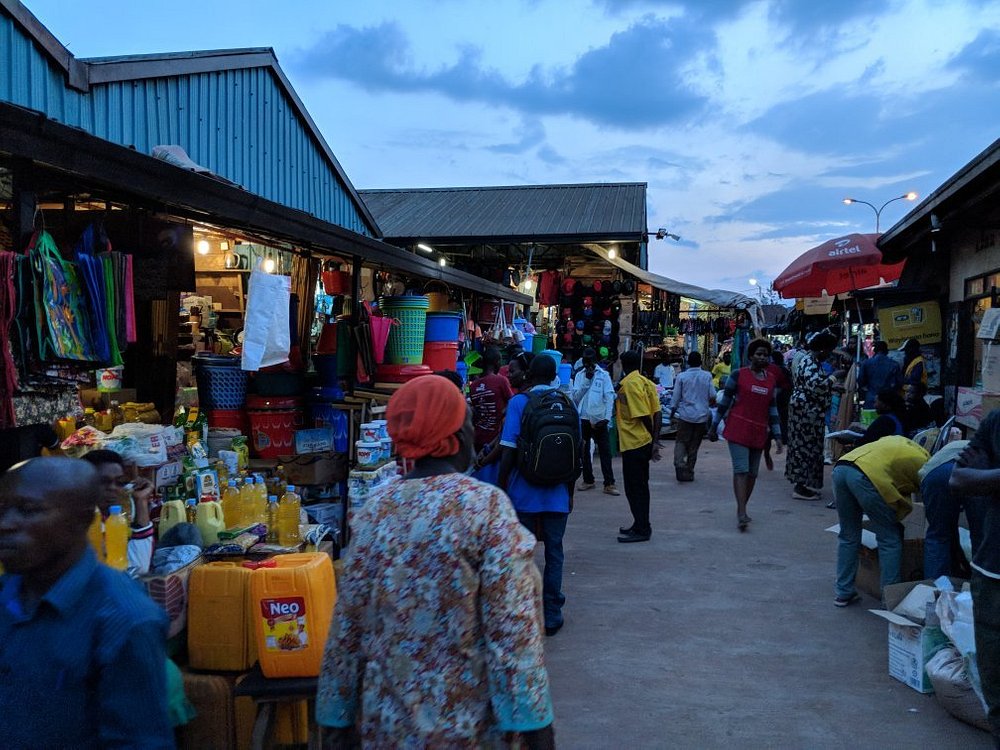
The main entrance faces the bus station. As you enter the market through this point, you are welcomed by the well-set-up of household material such as plastic buckets, containers, and general home essentials. The right-side entrance exposes you to all sorts of kitenge fabrics in vibrant colors. When you use the left side entrance, you are welcomed by butchers and fishermen selling fresh meat and fish, and the far entrance(far from the bus station) leads you to a sector of second-hand items and market seamstresses.
What to find in Kimironko market.
Once inside this busy market, you will realize that different items are laid out in specific clustered zones. Some of the goods in this market include
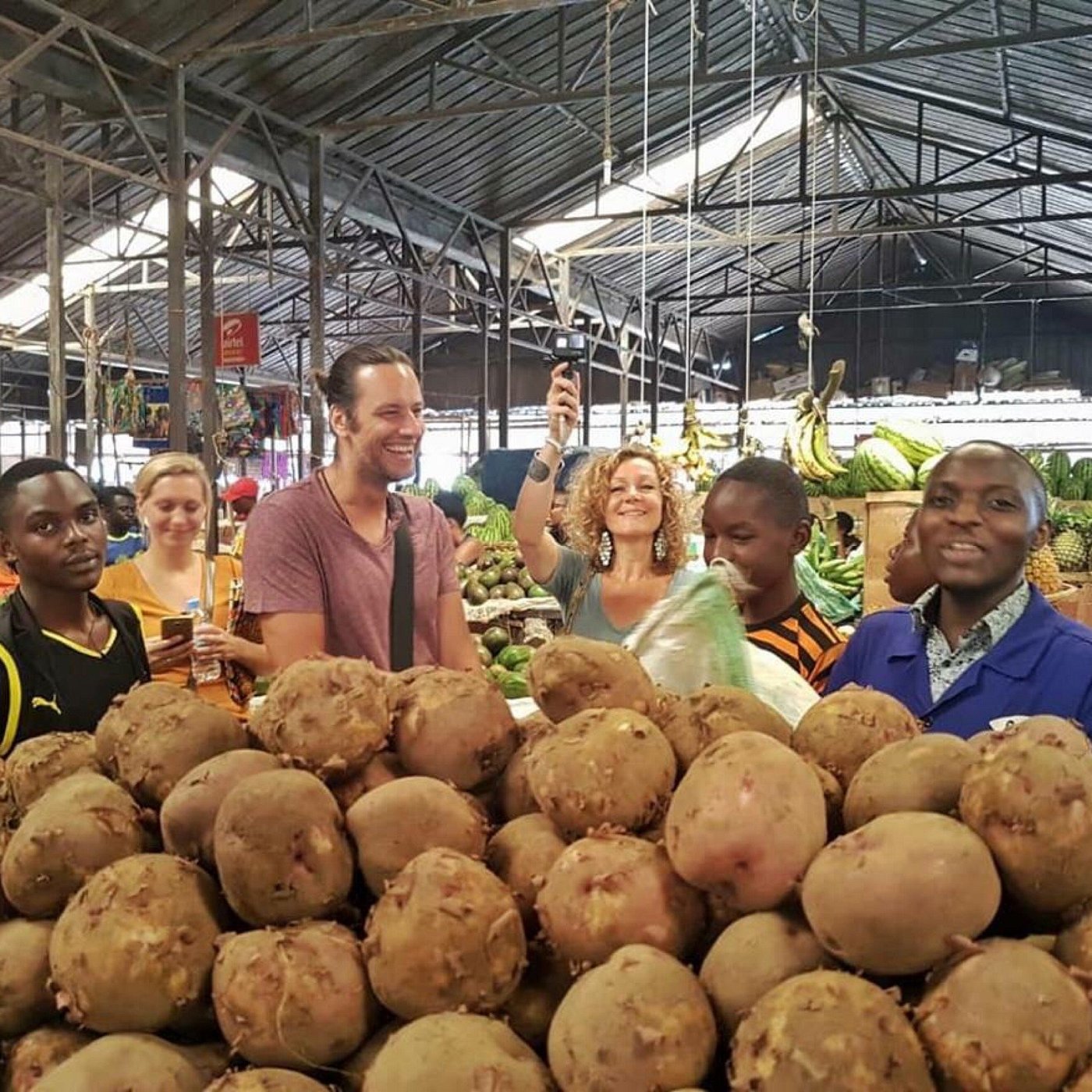
Fresh fruits and vegetables.
A variety of fresh produce- fresh fruits dominate several stalls in this market. Some of the fruits in this market include avocados, passion fruits, watermelons, oranges, lemons, yellow bananas, jack fruits, gooseberries, coconuts, pawpaws, apples, and pineapples, among others. In addition to fruits are vegetables such as cabbages, carrots, cucumber, dodo(amaranthus), beans, peas, peppers, onions, tomatoes, cassava leaves, cauliflower, broccoli, beet root, and egg plants, among others. If you want to balance your diet or need a dessert, the Kimironko market is the solution.
Fabrics and clothing
When you reach the main market gates, turn right, just across the bus park, and go to the far market walls. In that location, traders display and sell rows and rows of dazzling kitenges cloth on their stalls. These pieces of textile are imported from countries like Tanzania, Nigeria, the Democratic Republic of the Congo, Sierra Leone, and many others.
If you purchase some of this cloth, the salesperson will recommend you to a seamstress on the outskirts of the market for sewing and designing. These professional tailors are constantly ready to create a beautiful and fitting attire from your Kitenge in a timely and affordable way.
Start at the Kitenge vendors and seamstresses and go straight to the far-left area of the market. Before reaching the huge fresh food bazaar, the relatively narrow lanes are lined with used clothes, tourist goods, shoes, and an authentic hardware shop.
Traditional crafts and souvenirs
Around and beyond the fabric section, find lots of locally-made crafts as souvenirs, including baskets, wood carvings, pots, drums, earrings, bracelets, handbags, dresses, shoes, and all kinds of jewelry.
Spices, oils, and eggs:
At the front of the market, near the bus stop, neat piles of oil, spices, garlic, and fresh ginger are displayed for sale. On the left is an area for eggs. Eggs come from all over the city and the surrounding areas. The price of an egg depends on its size.
Household goods and essentials
These are easily seen when you use the main entrance that faces the bus station. Some of these items include plastics, kitchen utensils, and electronics.
Street food and snacks
You can find some vendors selling simple foods like chapatis, samosas, doughnuts, grilled meat, grilled plantain, cassava chips, fermented milk (ekivuguto), and traditional dishes like matoke, isombe, and ugali.
Tips for visiting Kimironko market.
These are some things that visitors to Kigali can do to make the most out of their market tour.
- Carry local currency to ease the purchase of goods in the market.
- The best time to visit the market are the early afternoon hours from Monday to Friday. Saturday and Sunday are not always so busy as most vendors take their offs for prayers.
- Always go with guides because vendors do not speak English. This will help to ease communication.
- Always respect people’s culture and tradition. Avoid taking photos without permission.
- Use sustainable and quick means of transport like bicycles, motos, and taxis that give quick access to the market.
- Watch your belongings and avoid flashing cash unnecessarily. This will help you manage your security.
- Remember that prices fluctuate throughout the market, so when bargaining, be calm, cool, and steady to get the greatest deal.
In conclusion
Even though there are a lot of vendors, the market is easy to navigate because products are categorized by type, extension, and location. Kimironko Market is a sensory experience with its mix of sights, smells, and sounds. this place is a must-see while on a Rwanda safari.