
Nyandungu Eco Tourism Park – Rwanda.
Nyandungu Eco-Park in the centre of Kigali is one of Rwanda’s most amazing environmental restoration success stories. The area had been a damaged wetland due human activity, but now it’s a booming ecotourism spot that protects biodiversity while providing recreation and education.
The wetland is currently regarded as a peaceful demonstration of Rwanda’s dedication to protecting the environment and building healthy cities.
The Nyandungu swamp was hurt for a long time by human activities like sand mining, farming, overgrazing, and settlement of people moving into. These actions destroyed the native habitats, polluted the environment, which escalated the risk of floods in Kigali.
In 2016, the Rwandan government started a big project to restore the wetland, It was run by the Rwanda Environment Management Authority (REMA) with support from international partners. In 2022, the park was re opened for tourism purposes and serves as one of the best eco places to visit while on Kigali city tour. Other favourite spots to explore in Kigali are, the Kigali genocide memorial site in Gisozi, Kimironko market, art galleries, Nyamirambo Women’s Centre and many others.
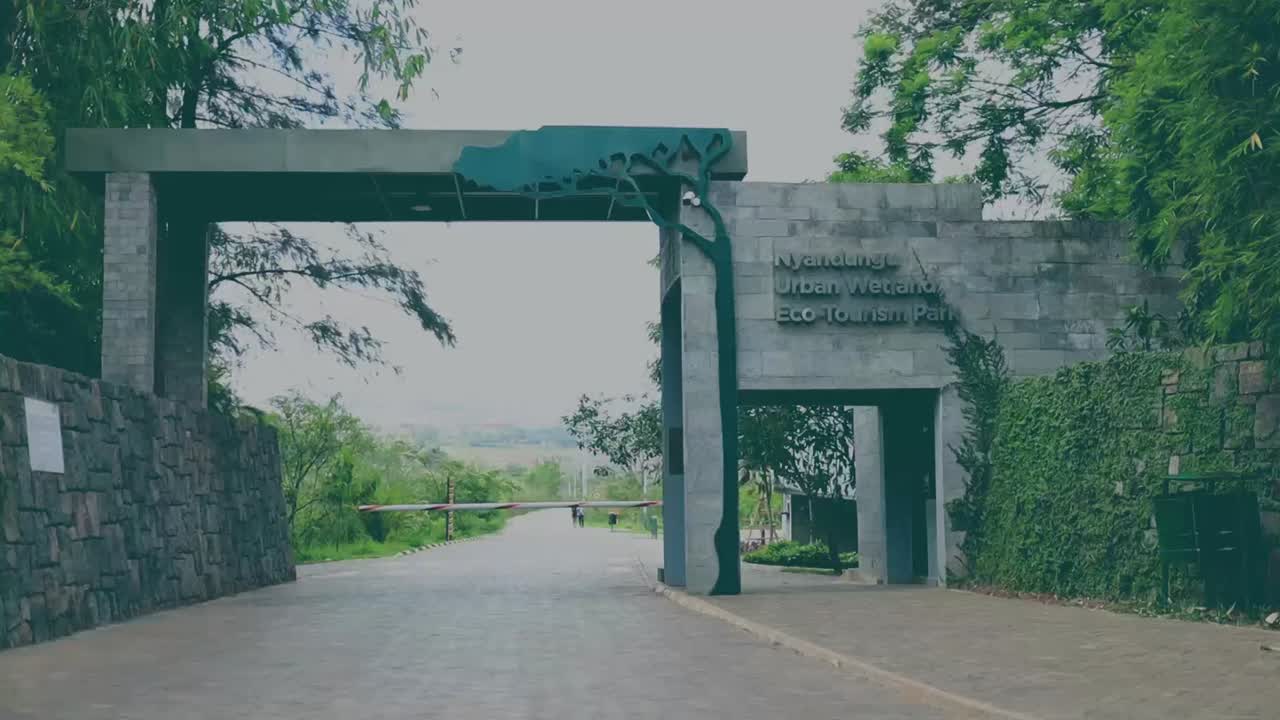
Why restore Nyandungu Eco Park
The main purpose of re establishing the Nyandungu Eco-Tourism Park was to restore urban ecosystems. The park can be used as a model for other natural wetlands in Kigali and Rwanda as a whole.
This eco-tourism centre holds more than 17,000 trees, including 55 native species in the area. Nyandungu Eco- Tourism Park covers 121 hectares, has a medicinal garden, a pope’s garden, 5 catchment ponds, an information centre, leisure ponds, a beautiful restaurant, and 10 km path for walks and biking experiences.
The park trails range from easy to challenging but offering visitors the best moments to enjoy and relax in the park’s natural beauty. The area is so perfect for picnics, and a few camping places are available for those willing to experience nature in the night.
This park is a good, peaceful and quit escape from the noisy city hustles and noise. Find ample parking space, restrooms and security. The park trails have clear signs, are well paved thus easing movement and relaxation making a suitable place to hang up with family and friends.
Activities and visitor experience in Nyandungu Eco Park
Several activities are offered at Nyandungu Eco Park that combine fun, learning, and getting lost in nature. Every move in the park is meant to be fun, and educative for personal well – being and environmental protection. Here are some of the things that park guests can do:
Nature walks and hikes:
The well-maintained tracks that cover over 10kilometers make nature walks the most popular activity in the park. You can go on a self guided walk because the trails are well marked. However, you can also embark on a guided walk especially if you want a detailed explanation of some wildlife species in the park. Walks enable you get closer to different ecosystems that comprise the park including, forests, wetlands, animals, birds, wetlands and open green grass areas.
Hiking is less strenuous and can be managed by individuals with different fitness levels. It’s so informative as the pathways have interpretative signs and brief explanations about different plant species and the importance of conservation. Hiking and walking trips are best conducted in the morning and late afternoon hours when the weather is cool and wildlife are active.
Cycling:
This is another prominent option for many visitors to this park. the cycling paths are well paved, smooth and relatively flat to be managed by both learners and experienced cyclists. With cycling, you can explore the park in a short time as you enjoy nature. The park offers bicycles for rental though some guests opt to come with theirs.
Birdwatching:
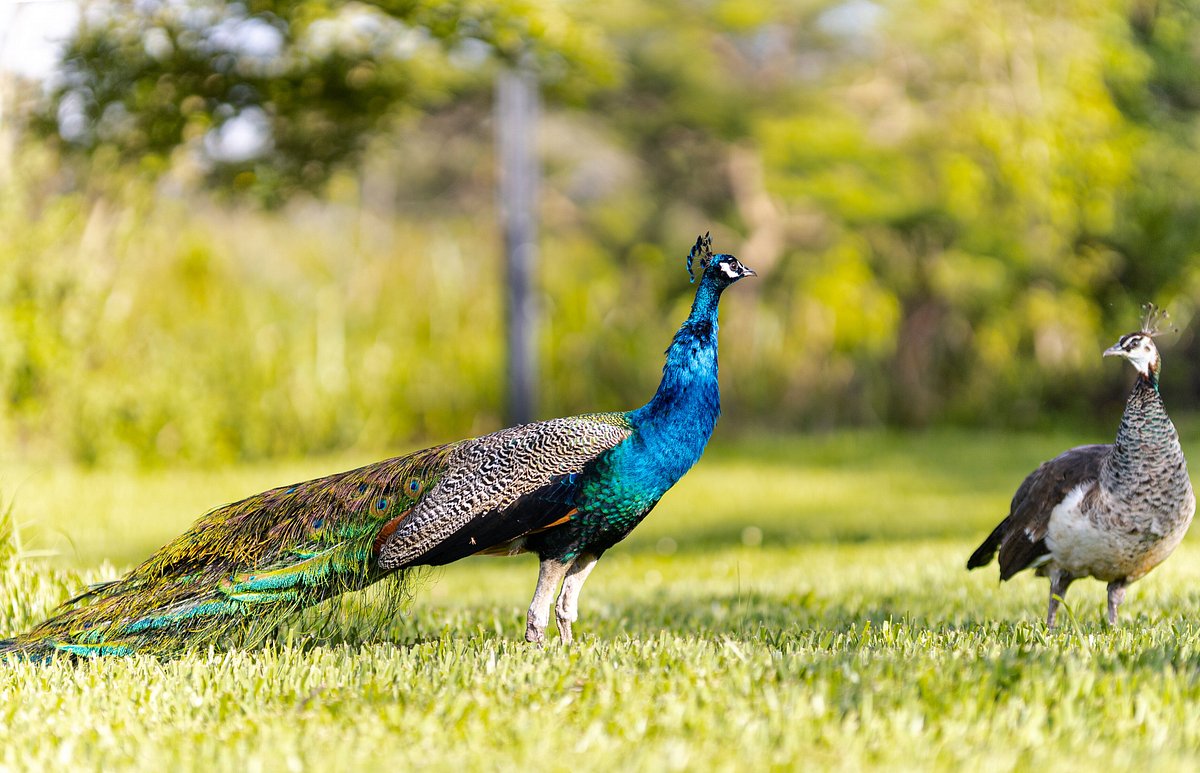
Nyandungu Eco park wetlands hold over 100 bird species including both resident and migratory birds. Birds are easily spotted near the water ponds, and forest edges. Some of the most spotted species include, herons, egrets, weaverbirds, kingfishers, White-browed Robin-Chat, African thrush, swamp flycatcher, green white-eye, and Red-eyed Dove, black crake, Spur -winged goose and hadada ibis among others. For the best birding experience in this park, birders ought to come with binoculars, good cameras and a bird guidebook. This activity is more of fun and highly educational.
Educational and environmental tours.
Many educational institutions like secondary schools, universities and tertiary institutions always visits this park to conduct a hands-on classroom, carry out research on some species, the climate of the area and the restoration and conservation techniques. The visitor information center provides guides, information and other resources throughout your stay in the park.
Picnicking and relaxation
The park has marked peaceful places for picnics and relaxation. Such places are covered by short grass and stall trees that provide good shade and fresh air. Families and friends always find peaceful and quiet moments in such places. Such spots hae seats under the shades though some guests decide to come with their mats. Trash cans are so close to enable proper disposal of waste. Feel free to enjoy nature and beautiful views in a calm environment.
Visiting special gardens:
Nyandungu Eco park has unique educational gardens including: the medicinal garden, a place where you find different plant species that were used as Rwandan traditional medicine, learn their medical properties and cultural importance.
The Pope’s garden, a historical and spiritual reflection to commemorate Pope John Paul 11’s visit to Rwanda. The gardens are a deep connection between religion, culture and nature.
Exploring the scenic features in the park.
The wetlands, forested areas, open fields and ponds provide best spots for photography. The landscape, wild birds and animals, insects and other natural sounds make a visit to this park so rewarding.
The park restaurant
After a successful nature walk, cycling or birding experience, enjoy a delicious meal at the park restaurant. The restaurant is sited in a location overlooking a swamp and ponds where you can keep watching birds and the beautiful nature of the park.
For conservation and sanitation purposes, the park doesn’t allow in food from outside the premises. If you need anything to eat, visit the restaurant.
Best time to visit Nyandungu Eco Park
To have the best of your experience in Nyandungu Eco park, its best to visit in the morning and late afternoon hours, this is because the weather is not hot. Though the park’s natural setting has plenty of shades and relaxational areas, visiting in the cooler hours of the day is more relaxed and offers higher chances of spotting wildlife.
The rainy season makes the park lush and green, water ponds get full and migratory birds can be spotted while the dry season has a different charm, clear skies, and short vegetation in some areas. The time you plan to visit this park is largely determined by your interests.
Entrance fees to Nyandungu Eco park and opening hours
In abid to promote conservation efforts, the park authorities charge daily entrance fees: International visitors ;20,000 RWF ( approximately $20), Foreign residents; 5000RWF, Rwandans and East African citizens ; 2000RWF and Students (Primary and Secondary); 1000RWF. All visitors must come with a personal identification document like an Identity Card or Passport.
The park is open throughout the week with visitors expected in the following scheduled time: Monday to Friday from 8:00am to 6:00pm , Saturday and Sunday from 7:00 am to 7:00pm. However, for solemn public holidays like “commemoration of the genocide”, the park opens at 2:00pm. Advance booking is highly recommended though can be done on arrival by credit card or MTN mobile money.
All in all, Nyandungu eco park is a powerful restoration story that blends the city and revival of damaged nature for sustainable tourism. Its a place of its-kind in the city that provides a unique experience for both local and international tourists.