
Rwanda Gorilla trekking combined with the big five in Akagera. (Two expeditions perfectly fitted in one safari).
Few countries pack as much wildlife variety into such a small space as Rwanda. In the north, the misty Virunga volcanoes shelter some of the world’s last mountain gorillas. In the east, on the border with Tanzania, Akagera National Park rolls out golden savannah, papyrus swamps and shining lakes, and it is home to Africa’s big five (lions, rhinos, elephants, buffalo and leopards). Between the two lie only a few hours of good tarmac.
That is what makes this combination so special. In a single trip you can sit/stand a few metres from a silverback and his family in a rainforest, then drive across open plains looking for the Big Five. This is the kind of journey travelers usually have to cross several countries to achieve, but in Rwanda it fits comfortably into one week.
Why Choose a combined Gorillas and the Big Five safari together?
The first reason is contrast. Gorilla trekking is intimate, quiet and emotional. A game drive in Akagera is open, energetic and full of anticipation. Together they give you two completely different safari moods, but you return home with a much fuller view of Africa’s wildlife.
Secondly, -convenience, Kigali sits roughly in the middle, with Volcanoes National Park about two to two and a half hours away to the northwest and Akagera about the same distance to the east. Roads are smooth, the country is clean and safe, and there are no border crossings or internal flights to juggle.
Thirdly, there is a powerful conservation story behind both parks’ existence. Rwanda’s gorilla numbers have grown steadily thanks to dedicated protection, and Akagera has been brought back from near collapse into a thriving, well-managed park. Your visit too supports the conservation efforts.
Gorilla Trekking in Volcanoes National Park
Volcanoes National Park lies in Musanze District, in the Virunga Massif, sharing borders with Uganda and the Democratic Republic of Congo. The park protects about a third of the world’s remaining mountain gorillas, living in habituated family groups that rangers and researchers have monitored for years.
The trekking day: Meet other trekkers at Kinigi park headquarters at around 7:00 am for a briefing, hot cup of coffee and a warm welcome, often with traditional dancers. Park guides then assign each visitor to a group of eight trekkers to visit a particular gorilla family, usually based on your fitness and how far the family has moved. Every gorilla family is visited by only one group per day, which keeps the experience calm and protects both the animals and trekkers.
Trackers go out ahead of you at dawn to locate the gorillas, so your guides know roughly where to lead you. The hike may take anywhere from 30 minutes to several hours. You will walk through farmland, cross a stone wall into the forest, and hike through bamboo and thick vegetation on muddy, sometimes steep terrain paths. It is not a race, and slowest hiker sets the pace which makes it more peaceful and comfortable and plenty of breaks are given to allow rest and hydration.
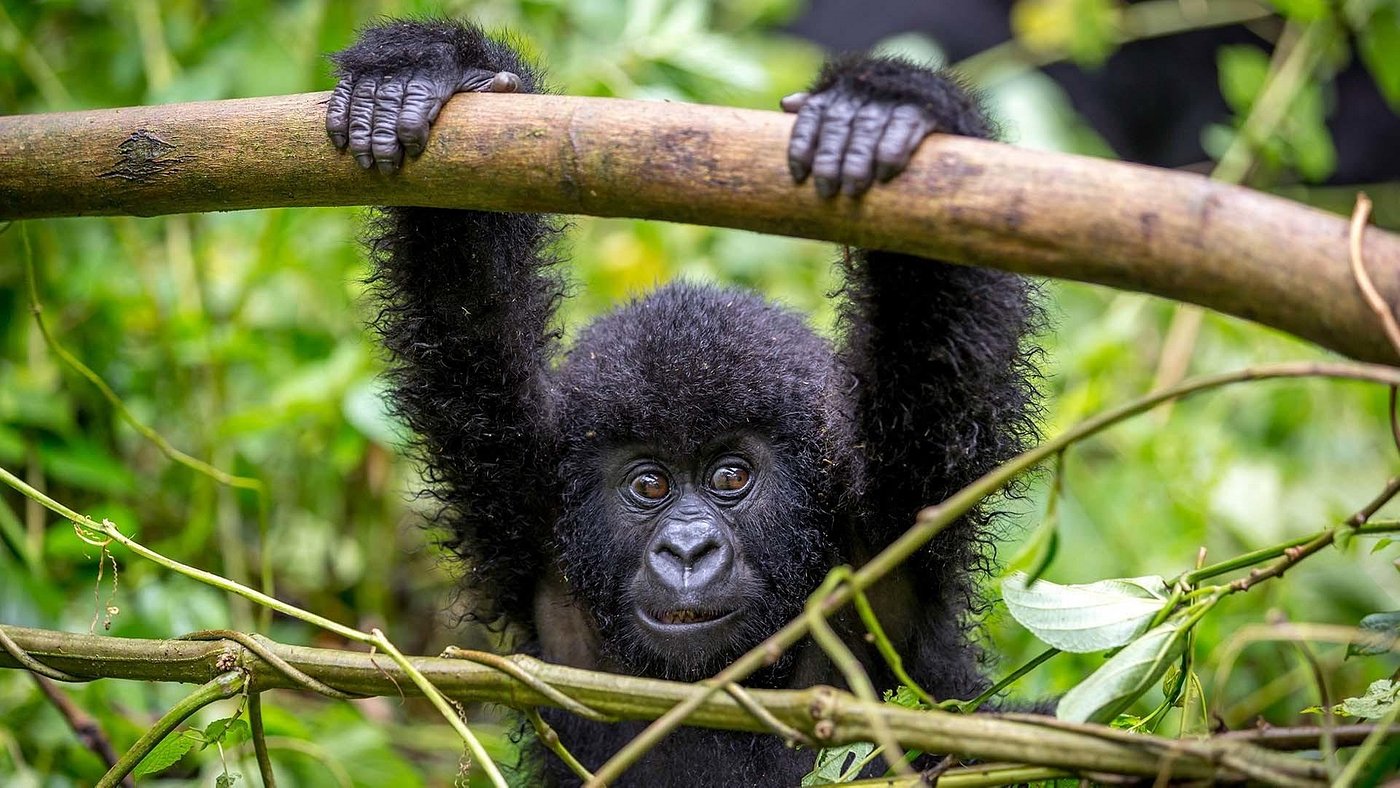
Then comes the memorable moment. Rounding a bend, you find the gorillas feeding, resting or playing. Babies tumble over each other, juveniles beat their chests for show, and a huge silverback sits unbothered, chewing on stems. You are allowed one hour of in presence of the family. Rules ask you to keep about seven metres away, stay in a group, keep your voice low, and avoid eating near them. At times the gorillas can try getting closer than that, expected but, the guides will gently show you how to step back or crouch down.
What should you bring? Sturdy waterproof hiking boots, long trousers and sleeves for nettles and insects, gardening gloves, a rain jacket, a hat, plenty of water and a packed lunch. A camera without flash is fine. A porter, hired locally at a small fee, can help carry your bag and lend a helping hand on slippery slopes. This supports the community too. You must be at least 15 years old and in reasonable health, and anyone with a cold or other contagious illness will not be allowed trek, for the gorillas’ safety.
The Cost of a Gorilla Permit
A gorilla permit is the main cost of the trip. For international visitors, the Rwanda Development Board (RDB) price is USD 1,500 per person, per trek. This fee accounts for park entry, guides and trackers, and a large share goes straight into conservation, and projects for the communities around the park, such as schools, clinics and water supply.
Discounts do exist. RDB has announced promotional rates in 2026 for Rwandans, East Africans and other African citizens, though these do not apply during the June to October peak season. Some operators also mention a reduced multi-park permit for travellers who combine Volcanoes with Akagera or Nyungwe in the low season. Because rates and rules can change, always confirm the current price with RDB or your tour operator. Permits sell out, especially from June to September, so book three to six months ahead if you can.
Akagera National Park: Rwanda’s Savannah Jewel
Akagera is Rwanda’s only savannah park and the largest protected wetland in Central and East Africa. It stretches along the Akagera River on the Tanzanian border comprising of rolling hills, open plains, acacia woodland, lakes and papyrus marshes. A few decades back, the park was badly damaged by poaching and settlement. Since African Parks began collaborating with Rwanda Development Board in 2010, it has made one of the most inspiring comebacks in African conservation.

The Big Five
Akagera is the only park in Rwanda where you can see all five of Africa’s most famous animals, after lions were reintroduced in 2015 and black rhinos returned in 2017.
Lions: Reintroduced from South Africa, they have bred successfully and the pride has grown. Early morning and late afternoon game drives give the best chance of seeing them.
Rhinos: Critically endangered and shy, they are best spotted in thicker bush with a knowledgeable guide.
Elephants: Several family herds roam the park and often come down to the lakes to drink.
Buffalo: Large herds graze across the plains, so sightings are common.
Leopards: Present but elusive. A night game drive offers the best odds, and a sighting is a real bonus.
Besides the Big Five, expect giraffes, zebras, topi, impala, waterbuck, warthogs, baboons and more than 480 bird species, from fish eagles and kingfishers to the rare and extraordinary shoebill in the papyrus swamps.
Game drives and Lake Ihema boat trips
Game drives are the highlight of most Akagera safaris. Most visitors set out at sunrise and late afternoon when animals are most active, and the light is soft and golden. You can drive in your own safari vehicle with a guide or join park-run drives. Guided night drives are available with the guidance of park rangers. These offer sights of nocturnal animals such as genets, bushbabies, civets and sometimes the elusive leopards.
Lake Ihema, the park’s largest lake, offers a very different view. A boat cruise of about two hours takes you past pods of hippos, large Nile crocodiles, and herons, pelicans, cormorants and kingfishers perched along the shore. Elephants and buffalo are often spotted at the water’s edge. Photographers love this activity because you can get close without disturbing the wildlife. Bring a hat, sunscreen and binoculars.
Best time for the combined safari
The long dry season from June to September is the most popular time and considered the best. Trails in Volcanoes are drier and easier, and in Akagera animals gather near water sources, making it easier to spot them. The shorter dry spell from December to February is also excellent. The wet months of March to May and October to November bring lush scenery, fewer visitors and lower prices at many lodges, gorilla trails get to lower altitudes making the treks shorter though the trails can be slippery and some roads muddy. Gorillas can be trekked all year round, so choose by your comfort and budget.
How many days do you need for this combined safari?
A five-day itinerary is the minimum that works well, though six or seven days feels more relaxed. A typical plan can look like this:
- Day 1: Arrive in Kigali, visit the Kigali Genocide Memorial, lunch and drive to Musanze.
- Day 2: Gorilla tracking, with optional cultural village visits.
- Day 3: Drive from Volcanoes National Park, return to Kigali-lunch and proceed to Akagera.
- Day 4: Morning game drive and afternoon Lake Ihema boat cruise.
- Day 5: Morning game drive, and then back to Kigali for departure.
Six days mean an extra night in Akagera to improve your chances of seeing lions and rhinos, or one extra day in Musanze to rest after the trek.
More ways to extend your Rwanda safari
- Golden monkey tracking: Playful, rare monkeys in the bamboo forests of Volcanoes, with a shorter and easier hike.
- Dian Fossey hike: A walk to the old Karisoke research site and the grave of the famous primatologist.
- Nyungwe Forest: Chimpanzee trekking and a thrilling canopy walkway in one of Africa’s oldest rainforests.
- Lake Kivu: Beach lodges, kayaking and sunsets in Rubavu, Karongi or Rusizi, perfect for slowing down.
- Culture: Visit Musanze caves, Iby’Iwacu cultural village, and Kigali’s art, coffee and craft scene.
Final Thoughts
Gorillas and the Big Five make a rare pairing: one wildlife story of forests and fog, another of open savannah and big skies. Rwanda’s easy travel, warm hospitality and serious commitment to conservation make it easy to enjoy both landscapes in one trip. Choose the season that suits your interests, book your permit early, and prepare for an adventure that will remain with for years.