
Is It Safe to Travel with Kids on an East African Safari?
A family safari in Africa with kids is a great way for kids to get away from modern home gadgets, to experience a different way of life, and let their imaginations run wild when they see the unusual flora, animals, and insects of the African bush.
Because wild animals frequently respond unexpectedly to anything smaller, slower, or younger than them, age limitations apply to youngsters going on an African safari. The vastness and diversity of Africa’s wildlife may overwhelm children after being taken from the comfort of their home.
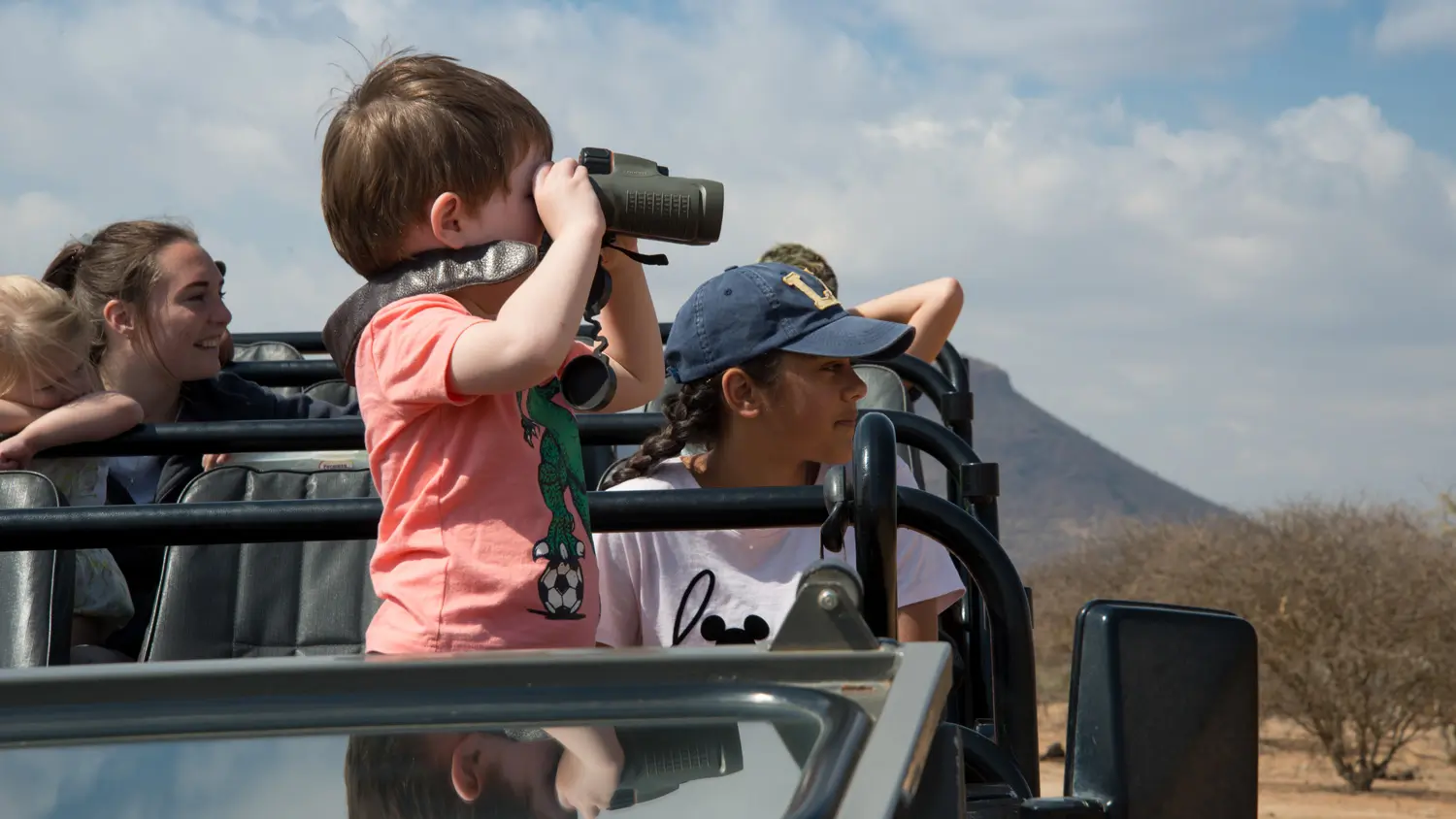
Imagine your child pressing their face to the window of a safari vehicle as a herd of elephants crosses the red dust of Amboseli, or whispering in wonder as a mountain gorilla looks back at them through the mist of Rwanda’s Volcanoes National Park.
East Africa, from the savannas of Kenya and Tanzania to the rainforests of Uganda and Rwanda, offers families a rare chance to unplug, explore and learn together.
But every parent asks the same question before booking an East African safari with kids: is it safe? The honest answer is yes, with the right planning. Wild animals are unpredictable, and a safari is not a theme park, so choosing the right age, lodge and guide matters. Take note of the minimum requirements and age for participants in a particular activity. This guide answers the questions families ask us most.
Questions, Answered
-
Is it safe to take children on an East African safari?
Yes, when you travel with reputable operators and follow your guide’s instructions. Safari vehicles, guides and lodges are well used to families. Wild animals can react unexpectedly to anything smaller, slower or younger than they are, and for this reason, age limits and safety rules exist. Safety comes down to supervision, good lodge choice and realistic expectations.
-
What is the earliest age to start travelling with a kid?
There is no single answer, decisions depend on the child’s character and the parents. A useful test is whether your child can sit in a 4WD for two to three hours without becoming restless. Some children manage this, while others cannot. We feel ten is a wonderful age, because children can connect with guides and people they meet, and their behaviour on game drives and at the lodge is usually better. Lodges and camps have different rage restrictions, some provide planned kids’ rooms and activities, or an exclusive private safari home.
-
Do all lodges and camps accept children?
No. Each lodge sets its own child policy. Smaller, unfenced camps often set a minimum age, commonly around 12, because wildlife can wander through camp. Larger, fenced lodges in Kenya and Tanzania generally welcome children of most ages. An experienced East Africa travel consultant can match your family to the right property.
-
Can children go gorilla or chimpanzee trekking?
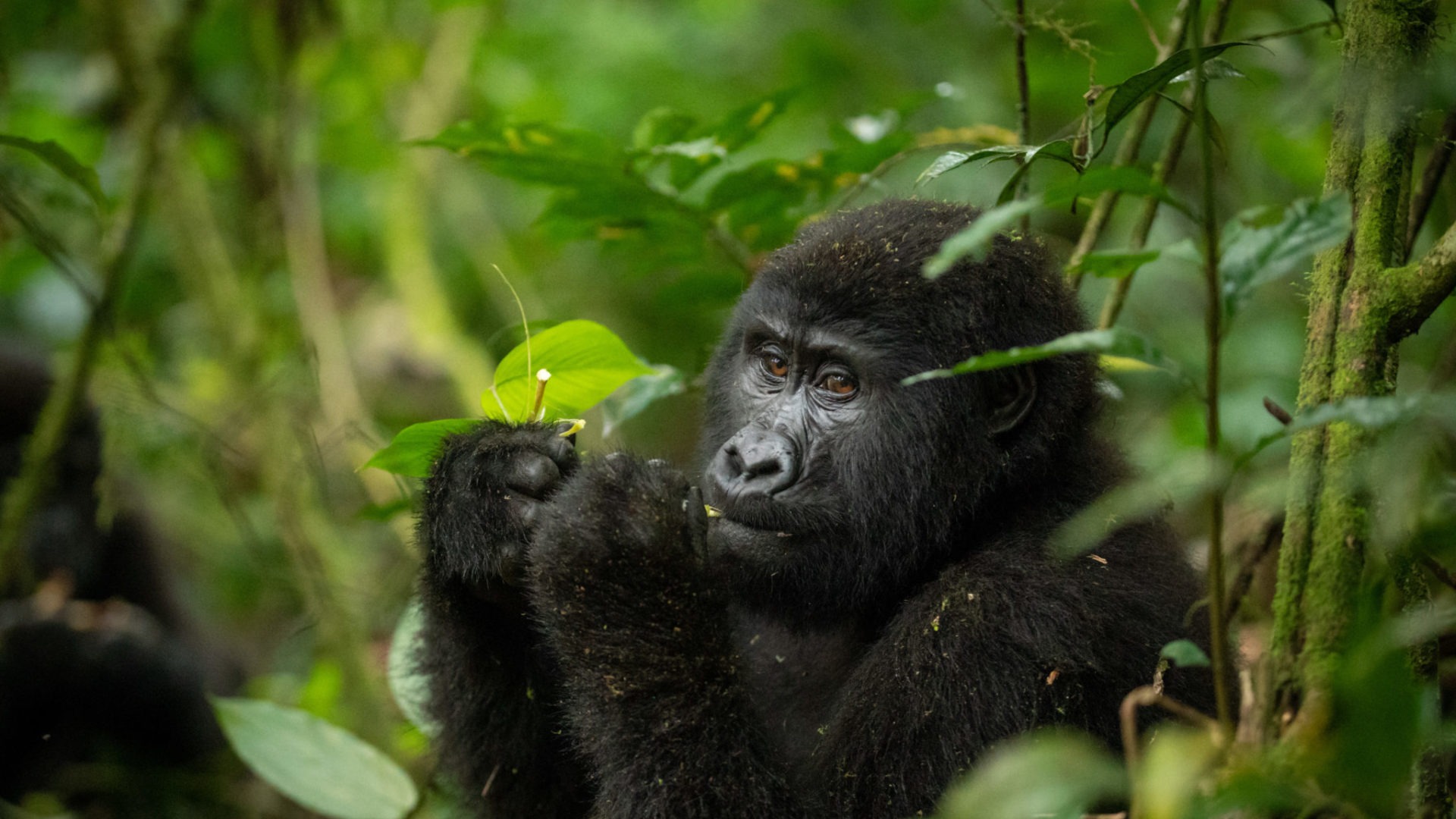
Gorilla trekking in Uganda and Rwanda requires visitors to be at least 15 years old, and this rule is strictly enforced. Chimpanzee trekking has its own age rules depending on the park, so confirm before booking. Younger children can enjoy other activities such as nature walks, cultural visits and boat trips.
-
Should we book a private vehicle?
We strongly recommend hiring a private vehicle mainly for the comfort of young children. If possible request your rental agency to provide private child seats especially for young kids who cannot sit on the vehicle seats comfortably.
A private vehicle costs more, but you enjoy exclusive use and support of your driver-guide, so you can stop for a snack, a restroom break or a long look at the lions without worrying about other passengers. Flexibility keeps children happier, and it keeps everyone safer and more comfortable.
-
What about malaria and health?
Malaria occurs in much of East Africa, so speak to a doctor or travel clinic well before departure about prevention, vaccinations and child-appropriate medication Contact your travel agent for more information about the necessary medical requirements and certificates one should have before entering the country- Yellow fever, Covid 19 among others. Include a first aid kit in your travel pack. Use repellent, long sleeves at dusk and mosquito nets. Consultant about family itineraries in the region you wish to travel.
-
How do children learn about local culture?
East Africa provides the most ideal cultural experiences. Kenya and Tanzania are home to many ethnic groups, with Kenya counting around 42 tribes and Tanzania more than 100. Children may meet Maasai people in beaded shukas, visit a village, chat with residents and see a school or clinic. In Uganda, with over 65 tribes, each provides a unique cultural interactions and Rwanda. Local cultural experiences involve community visits, craft workshops, singing, dancing, sharing local cuisines, and storytelling. All these bring local life to children in a memorable way.
-
What accommodation should we look for?
Choose camps and lodges offering family rooms or tents, usually with two, or tripple bedrooms or family cottages and, importantly, two bathrooms. Game drives begin early, and having several showers makes the morning rush much smoother. Ask about fencing, night security and whether children’s meals and activities are provided.
-
What safety rules should children follow on game drives?
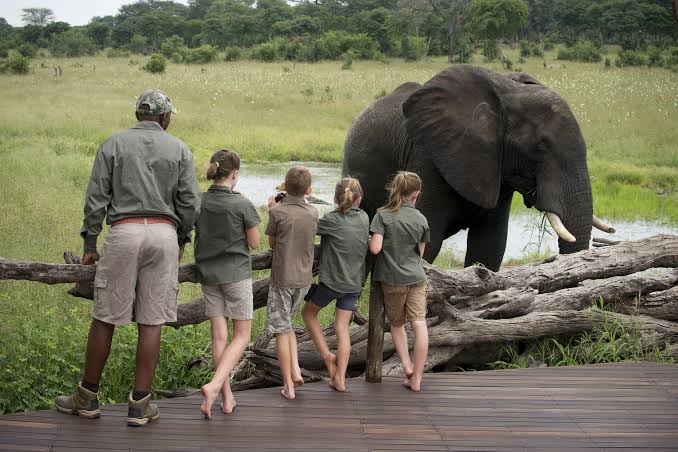
Remain seated, keep voices low, and never stand, shout or lean out of the vehicle. Keep hands and arms inside, never feed animals, and always stay with an adult at the lodge, especially after dark. Always follow your guide’s instructions without question.
-
Can we combine safari with a beach or other break?
Easily. In East Africa, a Kenya or Tanzania safari pairs beautifully with a few relaxing days on the beaches of Zanzibar or the Kenyan coast. Families in Rwanda or Uganda can add lake time on Lake Victoria in Uganda, boat cruises or a city stay in Kigali, giving children space to rest between early starts.
Conclusion
Travelling with children in East Africa is safe, rewarding and often life-changing when you plan thoughtfully. Match the trip to your child’s age and behaviour, choose family-friendly lodges, travel with trusted guides and follow the safety rules. Speak to an experienced East Africa travel consultant, and you could be watching your children’s eyes light up at their first wild sunrise
Warning: Trying to access array offset on value of type bool in /home/selfdri1/public_html/wp-content/themes/flatsome/inc/shortcodes/share_follow.php on line 41
