
Rwanda Safari Experiences Beyond Wildlife
(Culture, Coffee & Adventure)
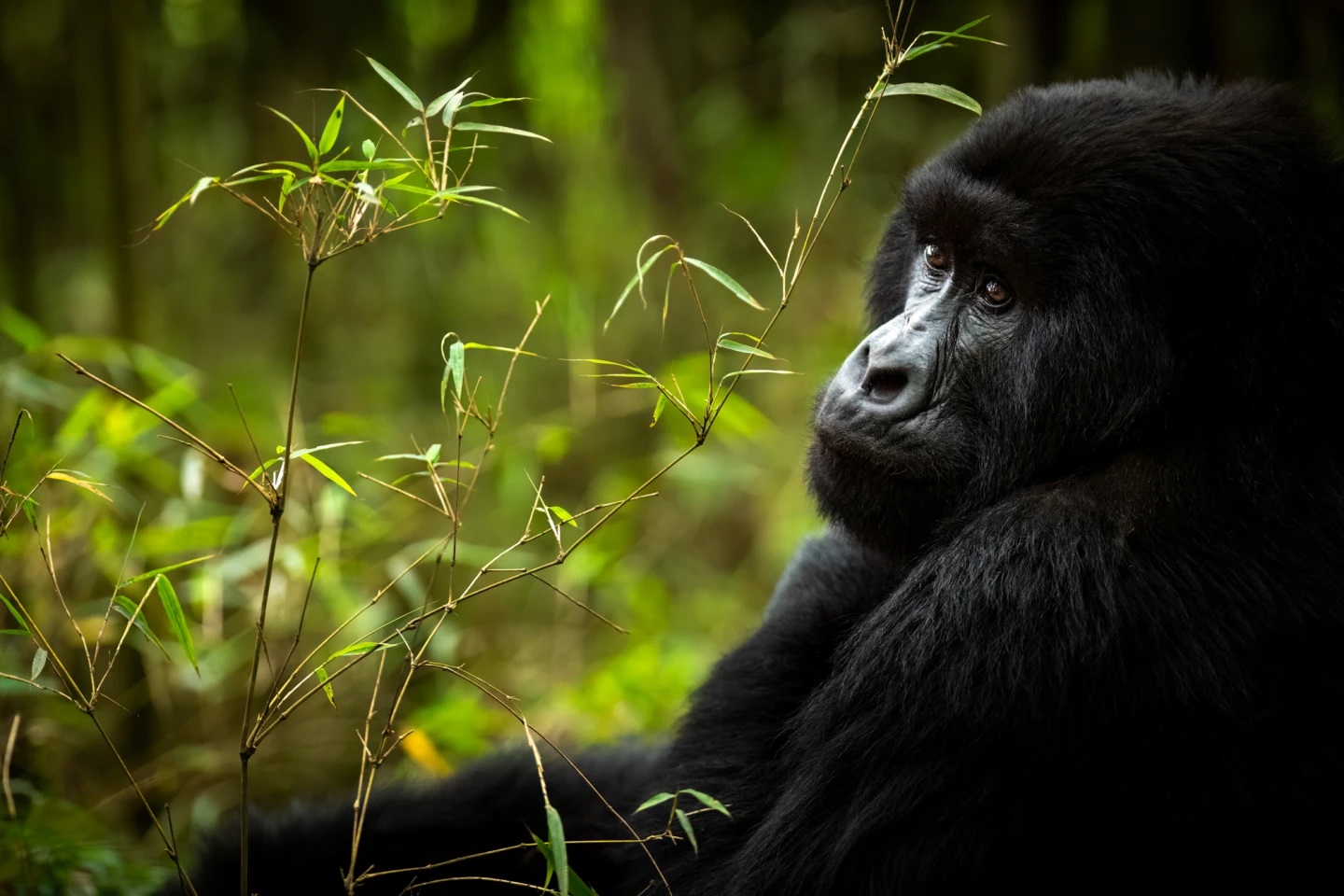
Mountain gorillas are the first thing that most tourists mention when asked what they want to see in Rwanda. It’s a worthy dream. One of the most amazing experiences on earth is getting close encounter with a silverback and his family in the mist of Volcanoes National Park. However, tourists who depart Rwanda having only witnessed its fauna miss a lot of what makes this little, verdant, incredibly hospitable nation so special.
Rwanda is home to world-class coffee and tea, rolling hills, dazzling lakes, historic royal customs, flourishing art, and people who have created a remarkable tale of resiliency and rebirth. The top safaris in this area provide equally fulfilling experiences in between wildlife sightings. This guide explores the Rwanda safari experiences that go beyond wildlife and show you the country’s full character.
-
Understanding Rwanda: History, Memory and Hope
A meaningful trip begins with understanding. Rwanda’s modern story cannot be separated from the 1994 Genocide against the Tutsi, and the way the country has chosen to remember, reconcile and rebuild is central to its identity today.
Kigali Genocide Memorial. The country’s principal place of remembrance, a burial ground for more than 250,000 genocide victims and a carefully curated museum. Its exhibitions are sobering and dignified, and many visitors describe it as the most important hour of their journey. Allow time afterwards to sit quietly in the gardens to madidate on the situation and how reconciliation and peace were set in.
Nyamata and Ntarama Memorials. South of Kigali, these church memorials preserve the sites where thousands sought refuge. They are raw and powerful, and best visited with a knowledgeable local guide.
Reconciliation and renewal. Some itineraries include visits to community projects where survivors and former perpetrators now work side by side, offering a rare, honest look at how forgiveness takes shape in daily life.
Visit these places with respect: dress modestly, follow guidance on photography, and give yourself space to reflect. Most travelers find the experience deepens everything else they see in Rwanda.

2.Royal Heritage and Living Culture
The King’s Palace, Nyanza
In Nyanza, the reconstructed palace of the Rwandan monarchy lets you step inside the traditional royal compound, with its elegant, thatched dome and woven reed interior. Nearby, the palace’s famous long-horned Inyambo cattle are bred and tended by herders who sing poetry to them. Seeing these graceful animals is a living link to centuries of royal tradition and the importance of cattle in Rwanda customs, culture and tradition.
Intore dance and drumming
Few sights capture the spirit of Rwanda like the Intore dancers: warriors in flowing headdresses leaping to the thunder of drums. Cultural villages near Volcanoes National Park, such as Iby’Iwacu Cultural Village, welcome guests for performances, craft demonstrations and hands-on activities. Try your hand at traditional archery, grind sorghum, learn to play the drums or join the dancers. The mood is joyful and participatory, and the proceeds support the surrounding communities.
Museums and Crafts
The Ethnographic Museum in Huye holds one of the finest collections in East Africa, covering everyday life, tools, art and ritual. Across the country, craft cooperatives sell Imigongo, the striking geometric art made from cow dung and natural pigments, along with woven agaseke peace baskets that have become a national symbol of unity. Buying directly from artisans puts your money straight into local hands.
-
Explore Kigali: Africa’s cleanest and, creative capital
Many safaris treat Kigali as a stopover though it deserves a proper stay.Kigali city is famous, clean, safe and easy to navigate. It is spread across hills that offer lovely views at sunset.
What to see in Kigali.
- Art and design. Galleries and studios such as the Inema Arts Center, Caplaki Craft Village, Aziz life Studio, Ishema art Center, Imitako Arts and Crafts, Kraft Art centre among others, showcase contemporary Rwandan artisans, painters, sculptors and musicians. Many offer workshops, and it is easy to find original pieces to take home.
- Enjoy City tours by motorbike or on foot. Guided tours reveal neighbourhood markets, street murals and local cafés. The Kimironko Market is a vibrant place to browse fabrics, spices and fresh produce for personal home use and souvenirs.
- Food scene. Kigali’s restaurants range from traditional buffets serving Isombe (cassava leaves), brochettes and plantains, to creative modern kitchens that prepare international dishes. Rwandan hospitality is relaxed and warm.
- On the last Saturday of each month, communities across the country come together to clean and build. It is mandatory for all natives aged 16 and above. If your trip overlaps, ask your guide whether you can observe or join in respectfully.

-
Taste Rwanda coffee and tea.
Rwanda’s fertile volcanic soils and high altitudes produce some of the continent’s most prized and quality coffee, and the country is justly proud of its tea as well.
- Coffee tours. Visit a washing station and join farmers during harvest to see how cherries are picked, sorted, fermented and dried. Many experiences end with a cupping session, where you taste the difference between regions. Huye Mountain coffee in the Southern province and cooperatives around Lake Kivu are especially educative and
- Tea plantations. Near Nyungwe Forest, emerald terraces of tea stretch to the horizon. Tours explain how leaves are plucked and processed and let you sip freshly made tea overlooking the hills.
- Cooking classes. Learn to prepare local dishes with a host family or in a village kitchen, then share the meal. It is a delicious way to connect with everyday life. Best experiences offered by Aziz Life Experience and Nyamirambo Women’s center.

-
Adventure Beyond the Parks
Visiting national parks goes beyond wildlife. Tailor your itinerary to other park activities like :
Canopy Walk in Nyungwe Forest
One of Africa’s oldest rainforests, Nyungwe Forest national park offers a thrilling walk along 160m, a suspended bridge high above the treetops. The views over the canopy are unforgettable, and the forest trails reward hikers with waterfalls, orchids and a cool, misty atmosphere and sights of distant landscapes in Burundi and DR congo.
Hiking the Volcanoes
For those wanting a challenging experience, trekking to the crater lake on Mount Bisoke or climbing Mount Karisimbi, Rwanda’s highest peak, delivers sweeping panoramas and a real sense of achievement on a trip. The Dian Fossey hike also leads through bamboo and moorland to the site where the pioneering researcher lived and worked- the Karisoke Research centre.
Cycling the Land of a Thousand Hills
Rwanda has a passionate cycling culture, home to the Tour du Rwanda. Guided rides range from gentle village routes to demanding climbs, and the Congo Nile Trail along Lake Kivu is a celebrated multi-day route through fishing village homesteads and farmland.
Caves and Lakes
Near Musanze town, the Musanze Caves are an important place to explore ancient lava tubes and the historical importance of the caves, while the twin lakes of Burera and Ruhondo offer peaceful canoe trips against a backdrop of volcanic peaks and interaction with the locals.
-
Lake Kivu: Rest by the Water
After days of trekking and long drives, Lake Kivu is the perfect place to slow down for relaxation. Towns such as Karongi, Rubavu and Rusizi (Cyangugu) offer sandy beaches, lakeside lodges and sunset boat trips. Optional activies include kayaking, stand-up paddleboarding, island visits and simple afternoon relaxations with a book and a cold drink. The calm pace here is a welcome contrast to the energy of the safari trail.
-
Community tourism that gives back.
Responsible travel is woven into Rwanda’s approach to tourism, and many experiences are designed to benefit the local people directly.
- Stay in community-run lodges and homestays to learn about daily life and support local incomes.
- Join village walks led by residents who share stories, farming methods and traditional medicine knowledge.
- Visit women’s cooperatives that produce baskets, jewellery and textiles, often supporting education and small businesses.
- Ask your operator to let know how a portion of your travel expense supports conservation and community projects around the parks.
In conclusion,
Rwanda’s gorillas, golden monkeys and savannah animals and other wildlife will always draw visitors, But the country’s deeper gifts are found in its stories, its flavours, its creativity and its people. As you plan your trip to include time for culture, community and quiet moments by the water, you will leave with far more than photographs. A safari that weaves these threads together is richer, more meaningful and more memorable beyond any wildlife checklist.
Warning: Trying to access array offset on value of type bool in /home/selfdri1/public_html/wp-content/themes/flatsome/inc/shortcodes/share_follow.php on line 41
