
Rhino tracking in Akagera National Park-Rwanda.
Akagera National Park is one of Africa’s most picturesque biodiversity reserves. It is located in the northeastern Rwandan region, bordering Tanzania. It is characterized by wetlands and small lakes influenced by the passage of the River Kagera. The network of water sources and diverse topography combined produce striking, breathtaking views. It is an extraordinary ecosystem. The Park was clearly named after Riner Kagera, which supplies several water basins, including Lake Ihema, the largest lake in the park. other lakes include Lake Gishanju, Lake Mihindi, Lake Rwanyakizinga, and Lake Shakani. The park is surrounded by beautifully cultivated hills, has vast savanna grasslands, and forests that contribute to the scenic landscape.
The park has had a difficult past. The 1994 genocide resulted in many refugees using it as an escape route to neighbouring Uganda and Tanzania, and still, after the genocide, they returned through the same park. The returnees had no land and food, which resulted in poaching, and the government allocated part of the park to the homeless people to get where to grow crops.
The remaining part of the park was reserved for wildlife conservation, and in 2010, the Rwanda government and African Parks, in collaboration with international wildlife conservationists, took the initiative to reintroduce some of the species, like lions and rhinos, that had become extinct. Today, the program is a great success, and the park holds all the big five that can easily be spotted on a game drive through the park.
Rhino tracking:
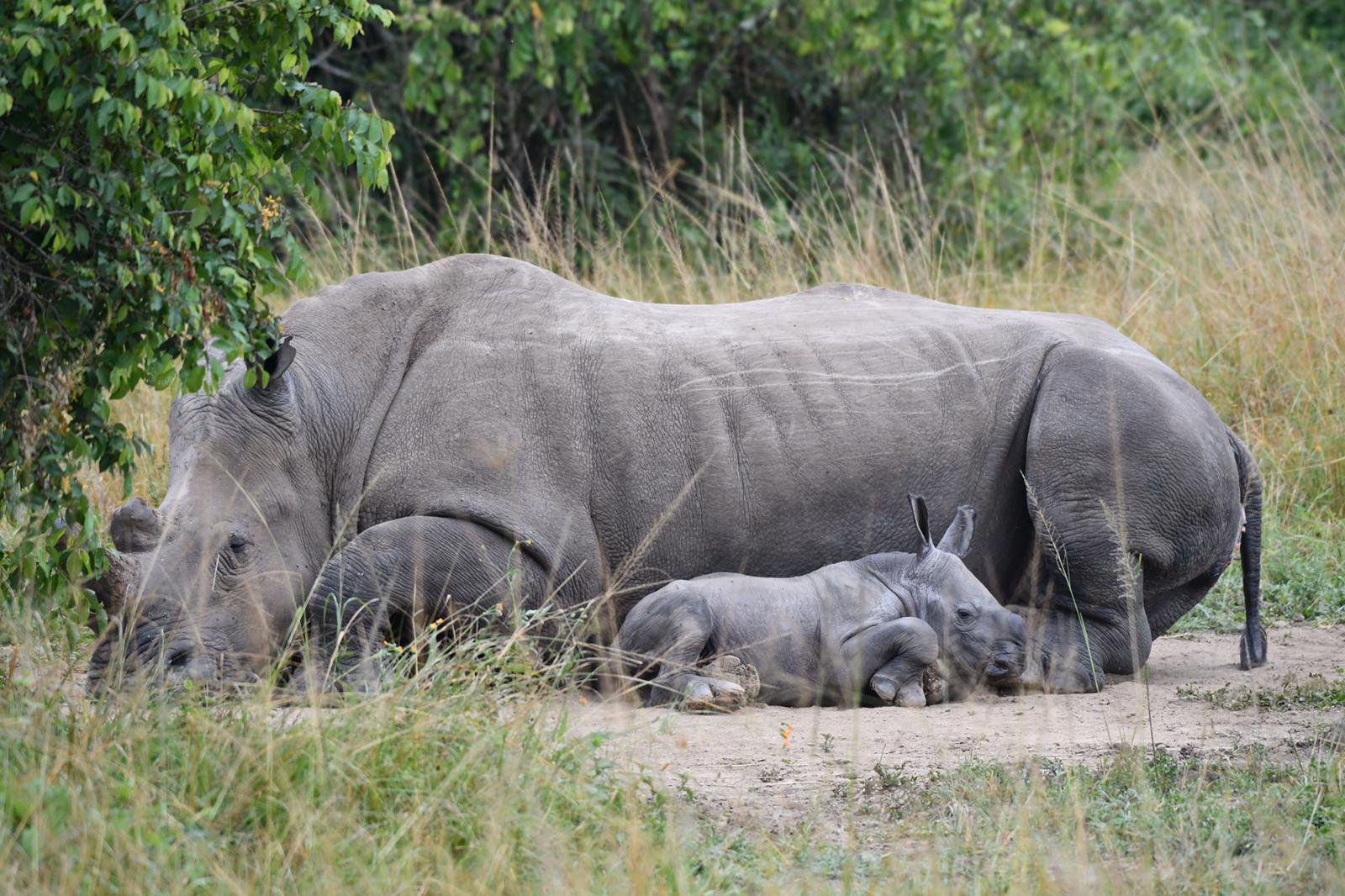
Rhino tracking is a newly introduced activity in Akagera National Park that you should not miss while on your visit to this park. It’s a result of the efforts of the Rwandan government and African Parks to promote wildlife conservation as they reintroduced white rhinos into the park towards the end of 2021.
Akagera National Park currently houses 30 white rhinos that can be witnessed in the Kilala plains in the northern part of the park, and the southern part houses black rhinos. The white rhinos are mainly grazers that feed mainly on grass, and the black rhinos mainly feed on leaves of acacia tree branches.
Rhino tracking involves walking on foot into the natural wilderness. This will give you a close look at other wildlife species as you observe their daily behavior up close. You will walk along the park trails, see a lot of interesting things in the wild, until you meet the rhino family.
The rhino tracking activity starts early in the morning in the park, with the help of a tracking team that helps to monitor the rhinos daily, noting information about their health, security, and daily habits.
What is the cost of rhino tracking in Akagera National Park?
Akagera National Park offers rhino trekking and tracking for $75 per person, with a minimum of 2 and a maximum of 4 participants per trek. The tracking experience lasts 2-3 hours.
How to book a rhino trek?
Rhino trekking is only offered to visitors at Karenge Bush Camp, a seasonal tented lodge in the northern sector of the park. So, if you want to participate in rhino tracking, you must stay Bat this accommodation. It is strategically located adjacent to the Kilala plains where the rhinos are found.
Since this camp site is seasonal, you should check their operating dates as it always closes in April and November until December. Make sure your travel dates match their open season. Book your stay at the camp or your tour operator can help you book both the accommodation and the rhino tracking activity at the park.

How safe is rhino tracking in Akagera National Park?
The white rhinos are not aggressive and will tolerate your presence if you maintain a reasonable distance. This contrasts with black rhinos, which are known for being hostile and dangerous. Before starting on the trek, the rhino trackers, park rangers, and guides will advise you on safe distances from rhinos and how to behave in their presence.
Though the park has other dangerous wildlife creatures like buffalo, lions, and elephants, the trackers are well-trained and know how to handle every situation in the jungle. In case of other animal encounters, armed rangers will shoot in the air to scare them away. (Such encounters are very rare.)
The park administration has been diligently preparing for the Rhinos. There is an established and experienced rhinoceros tracking team alongside an anti-poaching canine unit. They have also scheduled a helicopter for aerial surveillance at specific intervals. All these are intended to provide safety for both the rhinos and trackers.
What to pack for rhino tracking in Akagera National Park?
- Good hiking boots to help you traverse the park’s wild bushes.
- A good camera to capture wonderful moments in the wilderness.
- Binoculars will help you focus on distant objects.
- Insect repellents to keep you free from insect bites and stings.
- Long-sleeved shirts and trousers to protect your body from plant pinches and scratches.
- A hat and sunscreen to protect your body from direct sun rays.
- First aid kit.
Other Activities in Akagera National Park.
Apart from rhino tracking, other activities that bring you to close encounters with wildlife in Akagera National Park include game drives, boat cruises on Lake Ihema, fishing on Lake Shakani, birding nature walks, and the Walk the Line experience, among others.
Some of wild animals in this park include Zebras, African Elephants, Cape Buffalos, Lion herds, Cheetahs, Leopards, the spotted Hyena Masai Giraffes, Roan Antelope , Elands, hippos, Nile Crocodiles, Baboons, Vervet monkeys, Blue monkeys, Black and white Colobus monkeys, Bush babies, Impalas, Topis, Cape Elands, Bohor Reedbuck, Warthog, Jackson’s Hartebeests, Kobs and Defassa Waterbucks among others.
Some of the bird species in the park include the endangered shoebill stork, African Darter, African Wattled Lapwing, Blue-cheeked Bee-eater, Common Squacco Heron, Crowned Lap wing, Eastern Grey Plantain-eater, Great Egret, White-breasted Cormorants, Pied Kingfishers, Osprey, Double-tooth Barbet, Yellow-bellied Waxbill, Familiar Chat, Brown-throated Wattle-eye and Spot-flanked Barbet and many other