
Why Kids Below 15 Years Cannot Trek Gorillas
Why Kids Below 15 Years Cannot Trek Gorillas, Gorilla trekking is one of the most powerful wildlife experiences in the world. Walking through misty forests, guided by expert rangers, and finally standing face-to-face with a family of mountain gorillas is unforgettable. Countries like Rwanda, Uganda, and the Democratic Republic of Congo carefully regulate this activity to protect both visitors and gorillas. One of the most important rules is the minimum age requirement: children under 15 years old are not allowed to trek gorillas.
At first glance, this rule may seem strict. Many families travel together, and children often love animals deeply. However, the age restriction is based on serious considerations involving conservation, health, safety, and the well-being of the gorillas themselves. Understanding these reasons helps explain why the policy exists and why it is necessary.

-
Protecting Gorillas from Human Diseases
The most critical reason for the age limit is health protection specifically, protecting gorillas from human illnesses.
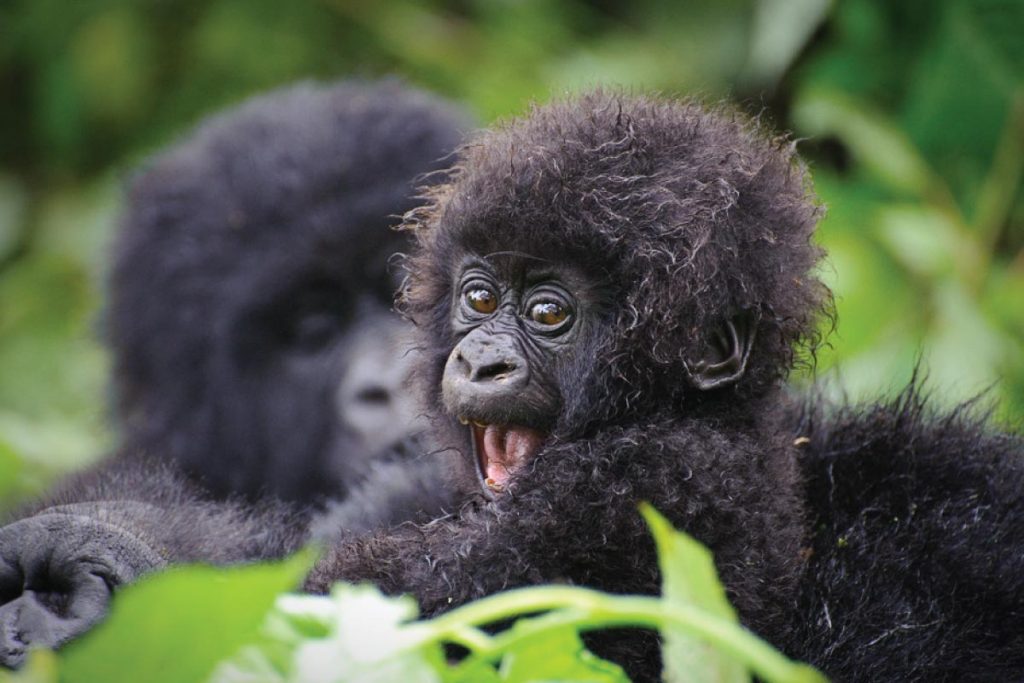
Mountain gorillas share about 98% of their DNA with humans. This close genetic relationship means they are highly vulnerable to many of the same diseases we carry. Even a common cold, flu, or mild respiratory infection can be dangerous for gorillas.
Young children are more likely to carry and spread infectious diseases. Their immune systems are still developing, and they often contract minor illnesses without obvious symptoms. Children may also struggle to consistently follow hygiene practices such as covering coughs properly or maintaining safe distances.
When trekking gorillas in places like Volcanoes National Park or Bwindi Impenetrable National Park, visitors must maintain a distance of about seven meters (approximately 23 feet). Even at that distance, disease transmission remains a concern. Allowing younger children, who may not fully understand or follow strict health guidelines, would increase the risk to these endangered animals.
Because mountain gorillas have small populations, even a single disease outbreak could have devastating consequences. Protecting them is the top priority.
-
Ensuring the Safety of Children
Gorilla trekking is not a zoo visit. It is a physically demanding hike through dense, mountainous forest. The terrain can be steep, muddy, slippery, and unpredictable. Treks can last anywhere from one to six hours, depending on where the gorilla family is located that day.
Children under 15 may not have the physical stamina required for such a hike. Fatigue increases the risk of accidents, especially in rugged environments where medical facilities are not immediately accessible.
In addition, encountering wild gorillas requires calm and controlled behavior. Although mountain gorillas are generally gentle, they are still wild animals. A silverback gorilla can weigh over 180 kilograms (400 pounds) and has immense strength.
If a child becomes frightened and reacts suddenly — by screaming, running, or making abrupt movements — it could trigger a defensive reaction from the gorillas. Rangers are trained to manage adult groups carefully, but unpredictable behavior from young children increases the level of risk.
The age restriction therefore protects not only the gorillas but also the children themselves.
-
Emotional Maturity and Self-Control
Gorilla trekking requires emotional maturity. Visitors must remain calm, quiet, and respectful during the encounter. Once the gorillas are located, tourists spend one hour observing them in silence or speaking in very low voices.
Young children may find it difficult to remain quiet for extended periods, especially when excited. The sight of baby gorillas playing or a silverback beating its chest can provoke strong emotional reactions. While adults can control these impulses, children may struggle.
In wildlife encounters, emotional control is essential. Loud noises, sudden movements, or attempts to approach too closely can disturb the gorillas and disrupt their natural behavior. The age limit helps ensure that visitors have the maturity to follow instructions carefully and contribute to a peaceful environment.
-
Conservation Education and Responsibility
Gorilla trekking is not just tourism; it is part of a broader conservation effort. Permits are expensive, and the funds generated support park management, anti-poaching patrols, veterinary care, and local communities.
Countries such as Rwanda, home to trekking in Volcanoes National Park, have made significant progress in protecting mountain gorillas through strict regulations. Limiting group size and enforcing age requirements are part of that strategy.
The experience is designed to educate visitors about conservation challenges and responsibilities. Teenagers aged 15 and above are generally better able to understand these complex issues. They can appreciate the delicate balance between tourism and wildlife protection.
By setting the minimum age at 15, authorities aim to ensure that visitors can fully grasp the significance of the encounter and respect its conservation purpose.
-
Physical Demands of High-Altitude Forests
Many gorilla trekking areas are located at high altitudes. The forests around the Virunga Mountains, for example, can reach elevations of over 2,500 meters (8,200 feet). Hiking at such heights can be physically demanding, even for adults.
High altitude can cause fatigue, shortness of breath, or mild altitude sickness. Adults can usually communicate discomfort clearly and manage symptoms. Younger children may not recognize or express these physical challenges effectively.
The trails themselves are not developed tourist paths. Rangers often use machetes to clear vegetation. The forest floor may be uneven, with exposed roots and thick undergrowth. Trekking requires balance, strength, and endurance that younger children may not yet have developed.
-
Ethical Wildlife Interaction
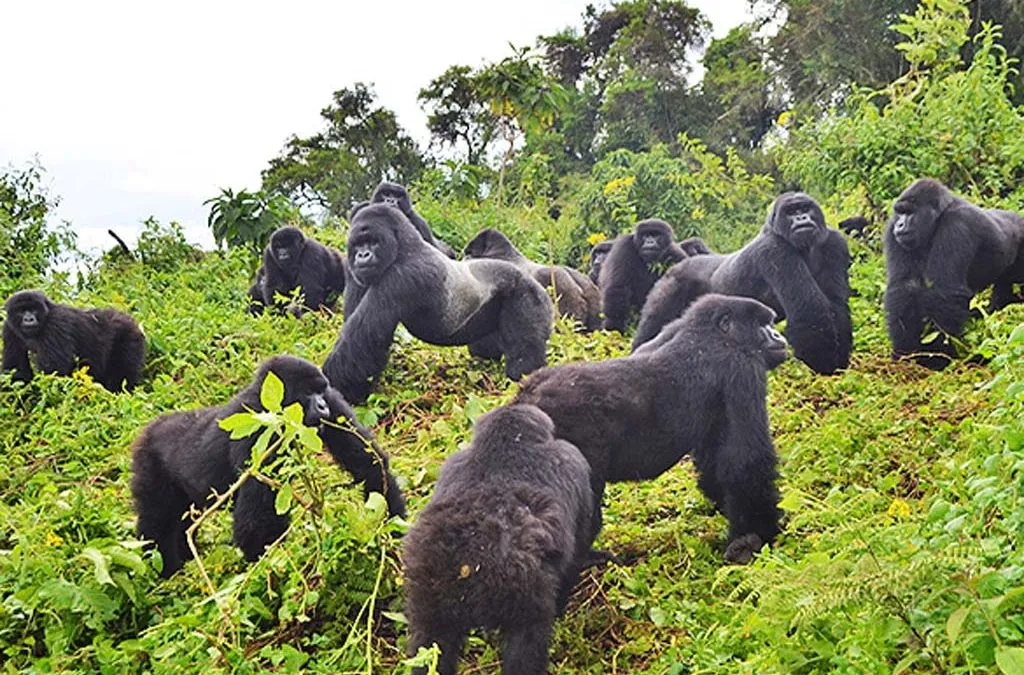
Wildlife tourism must prioritize the well-being of animals. Gorilla trekking is strictly controlled to minimize stress on the gorillas. Only eight visitors are allowed per gorilla family per day, and viewing time is limited to one hour.
Introducing younger children could increase unpredictability and stress for the gorillas. Ethical tourism requires minimizing disturbances and maintaining consistent, calm group dynamics.
The age rule reinforces the principle that wildlife encounters are privileges, not entitlements. Visitors must meet certain standards to participate responsibly.
-
Alternatives for Families with Younger Children
Families traveling with children under 15 are not excluded from enjoying Rwanda or Uganda’s natural beauty. There are many alternative activities that are suitable and rewarding.
For example, families can visit cultural centers near Musanze or explore educational exhibits in Kigali. Nature walks, birdwatching tours, and golden monkey tracking (where permitted by age regulations) can also offer exciting wildlife experiences.
These alternatives allow younger travellers to connect with nature safely while preserving the integrity of gorilla conservation programs.
-
A Policy Rooted in Long-Term Protection
The survival of mountain gorillas is a conservation success story. Decades ago, their numbers were critically low. Thanks to careful protection, research, and responsible tourism, their population has gradually increased.
Strict rules including age restrictions have contributed to that success. Allowing exceptions could weaken the system that keeps both humans and gorillas safe.
The minimum age requirement is not meant to exclude families or disappoint young wildlife enthusiasts. Instead, it reflects a thoughtful balance between tourism and conservation.
Conclusion
The rule preventing children under 15 from trekking gorillas is grounded in science, safety, and responsibility. It protects gorillas from human diseases, ensures the physical and emotional safety of young visitors, and maintains ethical standards in wildlife tourism.
Gorilla trekking is a remarkable privilege. By respecting age limits and other guidelines, travellers help preserve one of the world’s most extraordinary species for future generations. For young wildlife lovers, the forest will still be there when they turn 15 — and the experience will be all the more meaningful when they are ready for it.