
What to Pack for Last-Minute Gorilla Tracking in Uganda or Rwanda.
What to Pack for Last-Minute Gorilla Tracking in Uganda or Rwanda., Gorilla trekking is undoubtedly the most thrilling wildlife activity in Africa, and gorilla tourism brings thousands of tourists yearly. Their behavior and resemblance to humans make them interesting creatures, thus worth visiting. Mountain gorillas are calm and gentle but giant, endangered primates. The world’s remaining mountain gorillas reside in the Virunga conservation area and Bwindi Impenetrable National Park. The VCA covers Volcanoes National Park in Rwanda, Virunga National Park in the democratic republic of Congo, and Mgahinga National Park in Uganda. Mountain gorillas live in groups known as families, which are led by a dominant silverback whose role is to safeguard and maintain order in the family.
After setting your travel dates, leave the transportation, permit, and accommodations bookings to your tour operator. Gorilla trekking is a costly but exciting adventure, hence the need for good preparations.
For both prepaid and last-minute gorilla trekking safaris, trekkers must be physically and mentally prepared for this adventurous activity. The last part of the preparations is the briefing session, while at the park headquarters, the park guides take you through the dos and don’ts of the activity.
Below is a list of essential items you ought to have for a successful last-minute gorilla trekking safari.
Gorilla Permits and Passports:
Before your trekking safari, you should have a valid passport, which you must present at the hotel and the park center. A gorilla permit is also the most important document that qualifies one to join the gorilla trek. Both documents must be presented at the park offices for verification before the beginning of the trek. Valid travel paperwork and a visa are essential for every safari. Avoid travelling with a passport that is soon to expire. Without the proper travel documents, you will not be able to enter any country for gorilla tracking.
Clothing:
When packing for your last-minute gorilla trekking safari, be certain to bring waterproof trousers, jackets, long-sleeved shirts, sweaters, long socks, and long trousers. Wearing appropriate clothing will protect you from becoming wet, pinches from thorns, sharp tree branches, the direct sun rays, and stinging insects. Always tuck your trousers into your boots to keep safari ants and other insects off your body. Other outfit options to consider while organizing your gorilla tour are a pair of shorts for relaxing at the accommodation, pajamas for cold nights, and long socks to conceal your feet.
A rain jacket and sweater are also vital items for your gorilla safari; thus, you should not miss your pack even if you are planning to visit in the dry season. Gorillas reside in tropical rainforests, where rain is anticipated at any time of day. The sweater will keep you warm on cold evenings and mornings. Volcanoes National Park and Mgahinga are located at high altitudes, featuring several volcanoes on the horizon emitting cold winds and mist.
Sunglasses, sunscreen, and a hat. These items will help to protect you from direct sun rays, especially in the sunny weather.
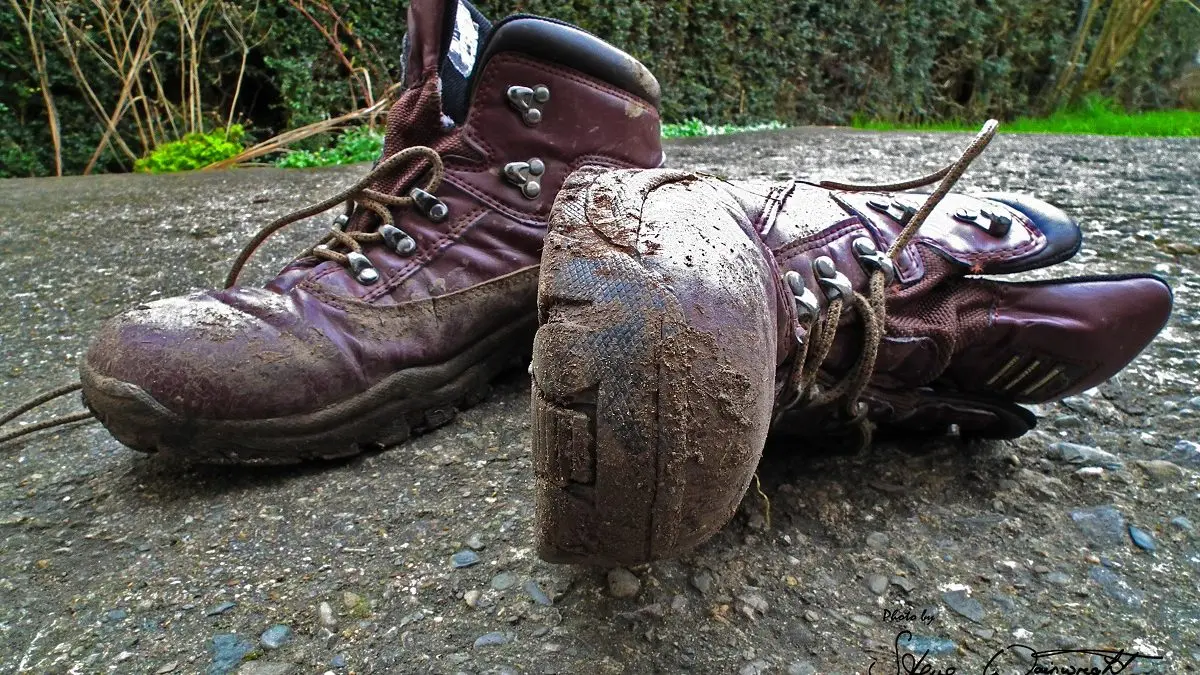
Hiking boots:
The hilly and sometimes muddy terrain in the gorilla parks is better navigated with high-quality hiking boots. Your ankles could get harmed if you wear low-quality boots or just simple sneakers. Keep in mind that trekking with gorillas requires acclimatization to high altitude and the ascent of steep slopes. During wet weather, the paths may become relatively sticky or muddy, hence the need for sturdy hiking boots.
Garden gloves:
These will protect your hands from pinches of thorny vegetation you may hold for support as you hike or on the ground when you slide. Gloves also protect your hands from scratches and insect bites.
Toiletries:
When embarking on a gorilla safari or a general safari in other national parks, it’s crucial to bring specific toiletries. In addition to toothbrushes, toothpaste, sanitary pads (for women), shampoos, deodorants, hand sanitizers, razors, hair conditioners, lip balm, wipes, and lotions, these supplies also include toilet paper, which can be useful on a long hike. It’s preferable to carry your own since most hotels don’t supply these things.
Hairbands and Hair ties:
These are commonly used by women to tie their hair to prevent it from being stuck in branches as you trek, especially in windy weather.
Snacks, Packed lunch, and drinking water:
The length of a Gorilla trek varies significantly and may extend for a considerable time. Therefore, bringing along some snacks helps to enhance your experience by keeping your energy levels up. The trek usually varies based on the daily location of the gorilla family. The trek can last between 30 minutes to 6 hours. You should leave the lodge with a packed lunch or buy your energy-boosting snacks from the supermarket. Water helps to keep you hydrated along the trek.
Walking stick:
These are provided at the park center before setting off for the trek. A walking stick helps to provide extra support as you traverse the vegetation and steep terrain.
Camera with a strong battery and memory:
A good camera will help you take good photos for memory of the gorillas and other events of the safari. Carry extra batteries and avoid using flash photographs while with the gorillas.
Binoculars:
while on your gorilla safari, expect to meet other wildlife creatures including forest buffalo, elephants, chimpanzee monkeys, and several bird species. With your binoculars, you can get good views of distant animals and birds.
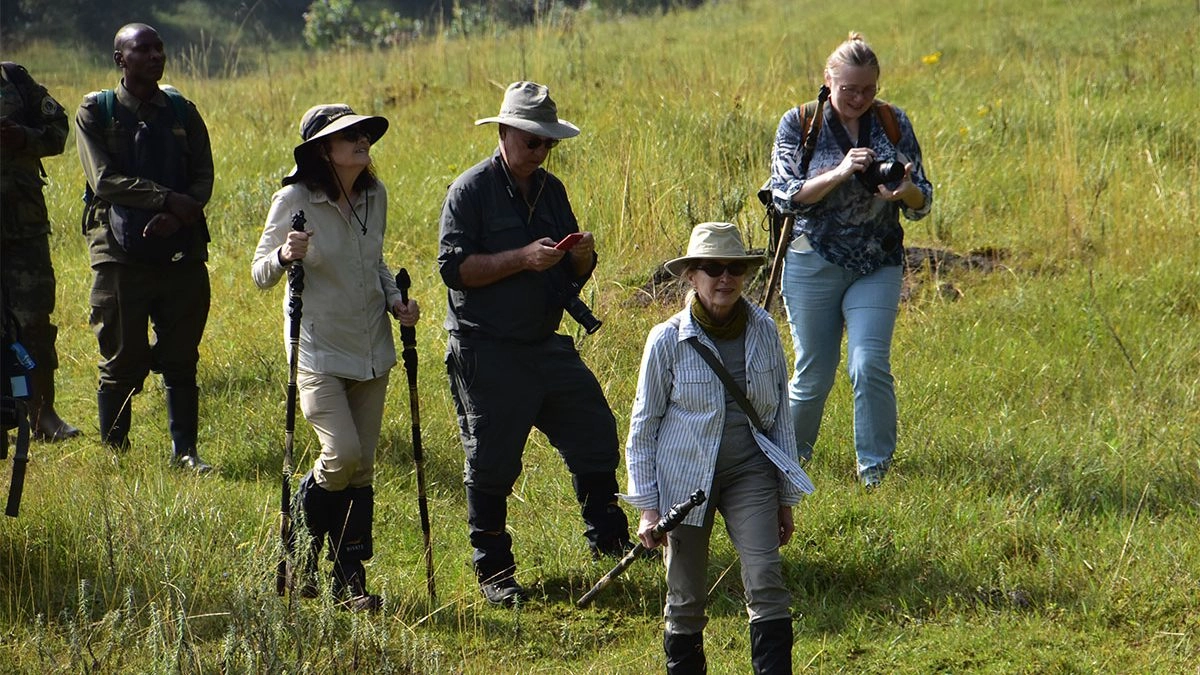
Porters:
As you budget for your trekking safari, include a fee for porters. Porters assist tourists with any additional luggage or heavy cameras while gorilla trekking. They can assist you in manoeuvring through steep hills and valleys. Porters are also capable of assisting the elderly by utilizing special pouches and carrying them on a sedan chair to and from the gorilla family when necessary. Porters charge $15 – $20. Clients who cannot walk but wish to meet the gorillas are carried on a sedan chair at $300 per person. Porters are usually members of the neighbouring communities, like parents and students. Your payment to them is a way of supporting them, supporting their community, and contributing to gorilla conservation.
Tips:
This is a fee given to park rangers, guides, and porters to show appreciation for the support and guidance through the trekking excursion. Such appreciation strengthens their efforts towards mountain gorilla protection.
Other items to consider include an international SIM card to remain in communication with your family at home, travel insurance, emergency telephone numbers, a temporary telephone line in your tracking destination, and money in local currency to purchase souvenirs in areas where there are no ATM’s.