
Things to see and do in Muhanga, Rwanda
Muhanga is not only a historical landmark but an important reminder of peoples resilience and determination. It is reached after an approximate drive of one and a half hours from Kigali city center in the southern province of Rwanda. Muhanga Sector in Rwanda is a mix of indigenous culture, history, and natural beauty that may appeal to travelers seeking an authentic Rwandan experience.
Sites like the ancient royal palace give tourists a look into Rwanda’s past. There are lush hills and tea gardens all around the city, which offer beautiful views, hiking, and nature walks. Muhanga is also a center for traditional crafts that are important to the society there, like weaving and pottery making. The city’s busy markets are great places for you to interact with the local people, see how they live, and buy some of their locally produced products. The friendly and relaxed life in Muhanga makes it a great place to visit if you want to get away from the crowds in the city and other busy tourism destinations in Rwanda.
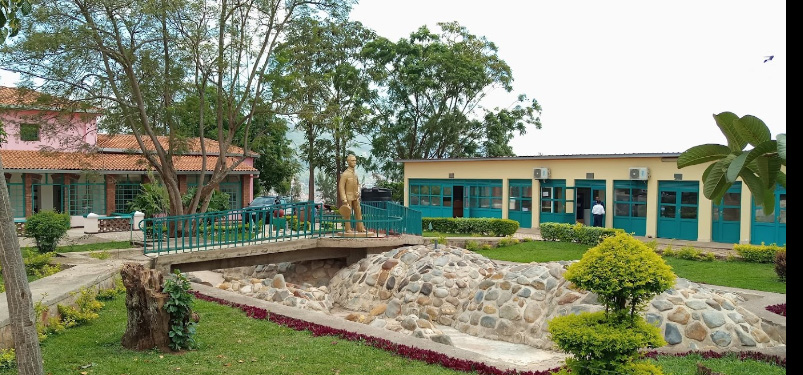
Cultural experiences in Muhanga
The Muhanga genocide Memorial site is an important reminder of the people’s resilience and determination. These memorial honors those who perished during the nation’s difficult past thus offering guests a meaningful area for meditation and reconciliation. Calm surroundings welcome you as you go closer to the location, which encourages reflection and comprehension of what happened there. The memorial’s purpose is to educate tourists about Rwandan history while fostering empathy and a connection to the experiences of individuals who endured these challenging times.
The local guides at the facility have insightful information that will make your trip more enjoyable. Because it promotes deep discussion and education, the location is a must-visit for those who want to learn about Rwanda’s path to reconciliation and healing. Be ready to stay a while; the memorial’s emotional impact frequently strikes a deep chord, leaving guests with a lingering sense of optimism and resiliency that embodies Rwandan identity.
Kabgayi Catholic Cathedral
It is the oldest Catholic Church Cathedral, founded in 1905. It is the focal point for the Roman Catholic Church in Rwanda, housing the nation’s oldest cathedral, along with Catholic seminaries, educational institutions, and a hospital. In the 1994 Rwandan genocide, thousands of Tutsis who had sought refuge at this church were murdered. Survivors acknowledge the bravery of numerous priests who assisted the people during those challenging times. Afterwards, several Hutus, including three bishops and numerous priests, were murdered by the RPF soldiers. This site is marked by a massive memorial grave that is adjacent to the hospital. Inside the Basilica lie the remains of the three bishops who also lost their lives to the FPR insurgents. The church is a center of commemoration, forgiveness, and reconciliation.
Other cultural and historical sites close to Muhanga.
Kings’ Palace Museum Nyanza.
This place is one of the great stopover points for visitors heading to Nyungwe National Park.
This is a historical and cultural place where visitors get to explore the replica King’s palace that was built using traditional materials and methods. At this place, you will learn the evolution of farming and house construction and later get deeper engagement into the grounds to meet the long-horned Inyambo cows. The palace is beautifully designed with the elegance of royal heritage. You will learn how the shepherds are being groomed as you listen to the amahamba melodies. The magnificent cattle are part of the larger Ankole breed and held a significant role in royal celebrations. They were instructed to follow their handlers’ tunes and proceed in a ceremonial procession, thus adding to the magnificence of the royal court.
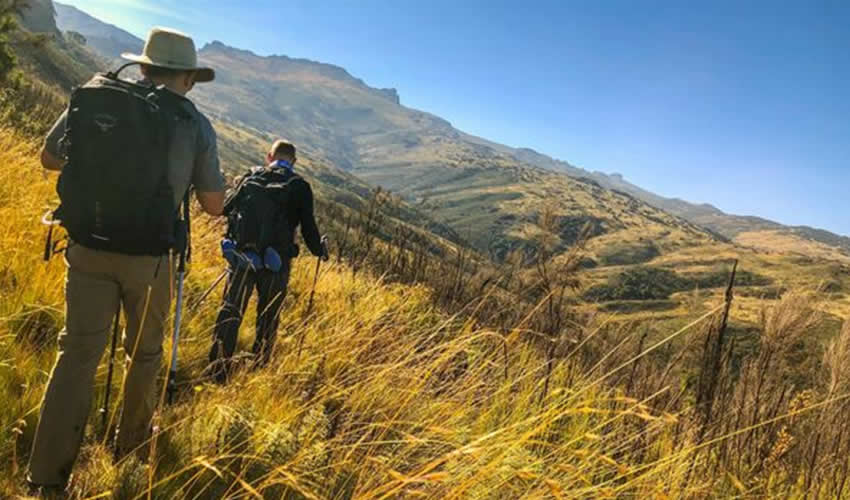
Hiking Mount Huye
Huye is a beautiful must-see location for tourists seeking adventure and natural beauty in Rwanda’s breathtaking landscapes. Mount Huye towers above the surrounding miles, providing long-sweeping views of lush green hills and valleys that characterize this wonderful area. The area is rich in biodiversity, with various kinds of flora and fauna that survive in its distinct ecology, making it an attraction for nature lovers and wildlife photographers.
Visitors can follow marked trails that meander through lush forests with a variety of native plants, making the ascent to the summit an adventure in and of itself. As you hike, you may meet friendly locals who will happily tell you about their culture and the mountain’s historical significance to Rwanda. Hiking Mount Huye is one way of relaxing in a cool and private environment free from the hustle and bustle of the city. It’s one of the best places for picnics, birding, and photography in Rwanda.
Murambi genocide memorial site
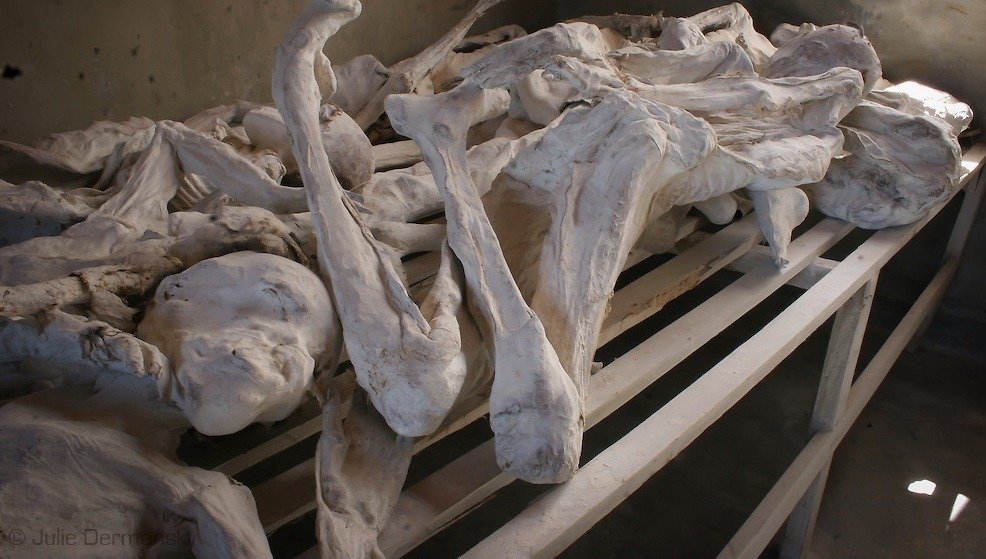
This is one of the highly recognized memorial sites honoring the victims of the 1994 Rwandan genocide. It is situated in the southern region of the country, near the village of Murambi, approximately a three-hour drive from Kigali, the capital. This site is situated in what was once a technical school but was later turned into a killing ground where the Hutu extremists massacred all the students and all people who had sought refuge here.
This memorial site doesn’t have massive graves; instead, the bodies were preserved and displayed in the former classrooms and dormitories.
While at this memorial, get to learn the situation through exhibits of photos of the deceased and survivor testimonies. This place helps to educate visitors, promote understanding, and encourage reconciliation to prevent future genocides and other chaotic situations that may lead to loss of lives.
Kamegeri Rock
This is a legendary rock that derives its name from Kamegeri, who was a king’s advisor. He suggested to the then king of Rwanda that every lawbreaker would be punished on this rock.
The King reluctantly took the idea, but instead ordered for the rock to be heated red hot and then ordered that Kamegeri be the first to be burnt on the rock to get rid of his bad character. This was so because the king didn’t like to solve issues with violence.
Visiting this rock can be organized by your tour operator as its a potential stopover to Nyungwe forest national park. On reaching the rock, you will find some guards with whom you can interact and request them to allow you to take photos.