
Rafting Along the Nile in Rwanda- Mukungwa River
Rafting Along the Nile in Rwanda- Mukungwa River, Did you know that the Nile River flows through Rwanda? Yes, the Mukungwa river in northern Rwanda in Musanze, is a tributary of the Nile connecting to Lake Victoria through Nyabarongo river.
The Nile is Africa’s longest river. The River Nile flows through ten countries and Rwanda is one of them. The White Nile begins in Tanzania and flows north towards Sudan where it connects with the Blue Nile.
Rafting in Rwanda is done on Mukungwa river. The river has several small hydro projects, and the flow is slow in this winding valley making it great for kayaking and seeing wildlife.
As travelers, you should not be afraid of hippos and crocodiles because they don’t get far up the river.
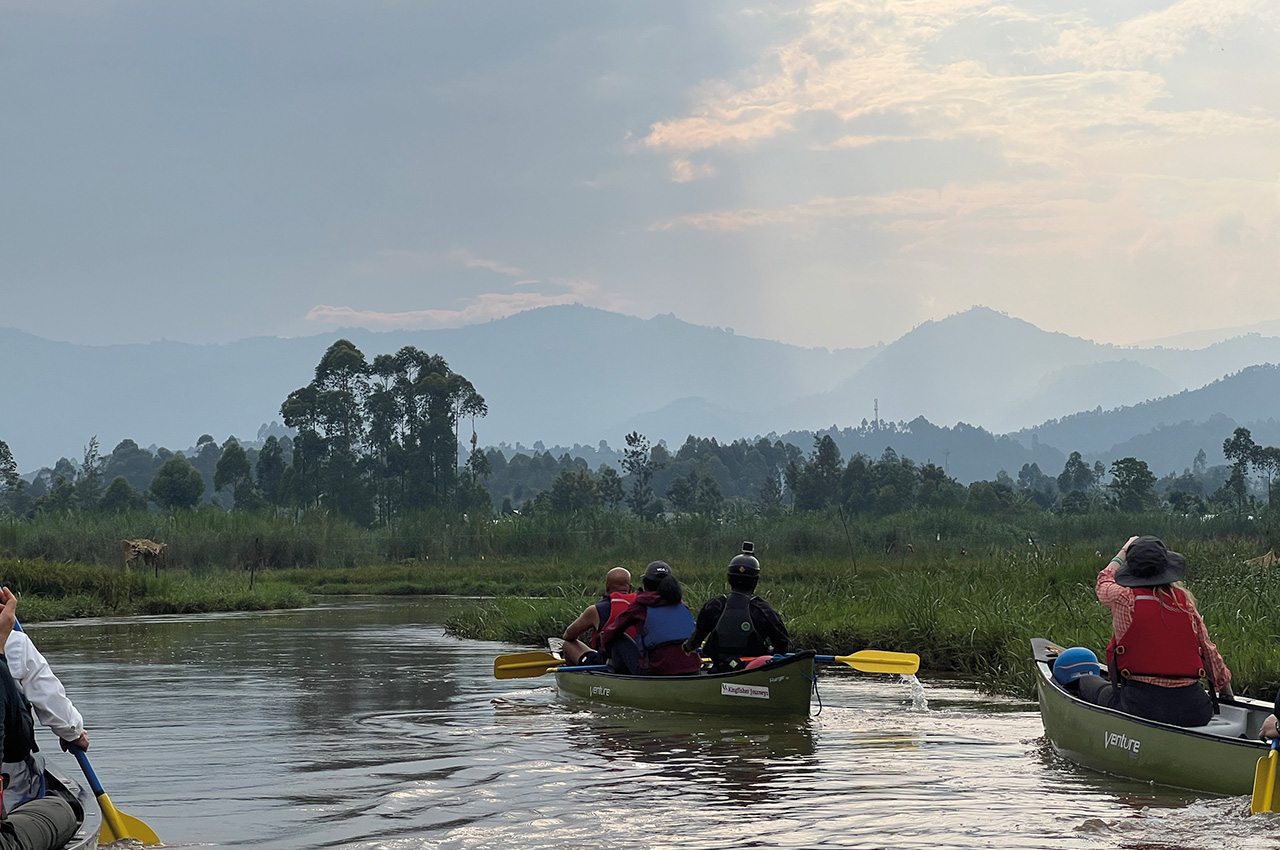
On sides of the river are cultivated fields that grow right up to the banks. Some are banana plantation farms, fruit trees, and corn fields. Lots of bird species including storks, ibises, weaver birds, egrets, herons, and cormorants, always catch up the minds canoeists as they go rafting. This makes the place so perfect for photography. There are wooden fish traps in the river, and the shorelines feel like they haven’t changed in a long time, making you feel like you’ve stepped back in time. The backdrop of the distant volcanic mountains that can be clearly seen on a clear day renders the whole experience so amazing.
Water rafting on Mukungwa river starts with a drive from Musanze, south to the shores. Experienced guides and rafters are always available to take you through a briefing and later on grade 2 or 3 rafting adventure. The arrival and start of the activity attracts children and some parents who come to witness the excitement of the activity. the series of twists, bouncing over rapids, and gliding through different serene sections makes the experience so breathtaking.
Safety and preparation for the rafting adventure
Like any other adventure, rafting requires both mental and physical preparation and this can be reflected in the following ways:
Participants should be reasonably physically fit, the activity requires some body strength, teamwork (ready to cooperate with others), and should be quick, flexible always react properly to any unexpected happening, this will help you to navigate successfully.
Guides out to be on board to ensure safety, fun and guidance where necessary. this is because the guides know the river flow patterns, seasonal changes and hidden hazards like submerged rocks. Follow their instructions carefully. listen to commands like “stop”, “paddle forward”, “quick”, and other non -verbal actions. this will keep you safe and stable.
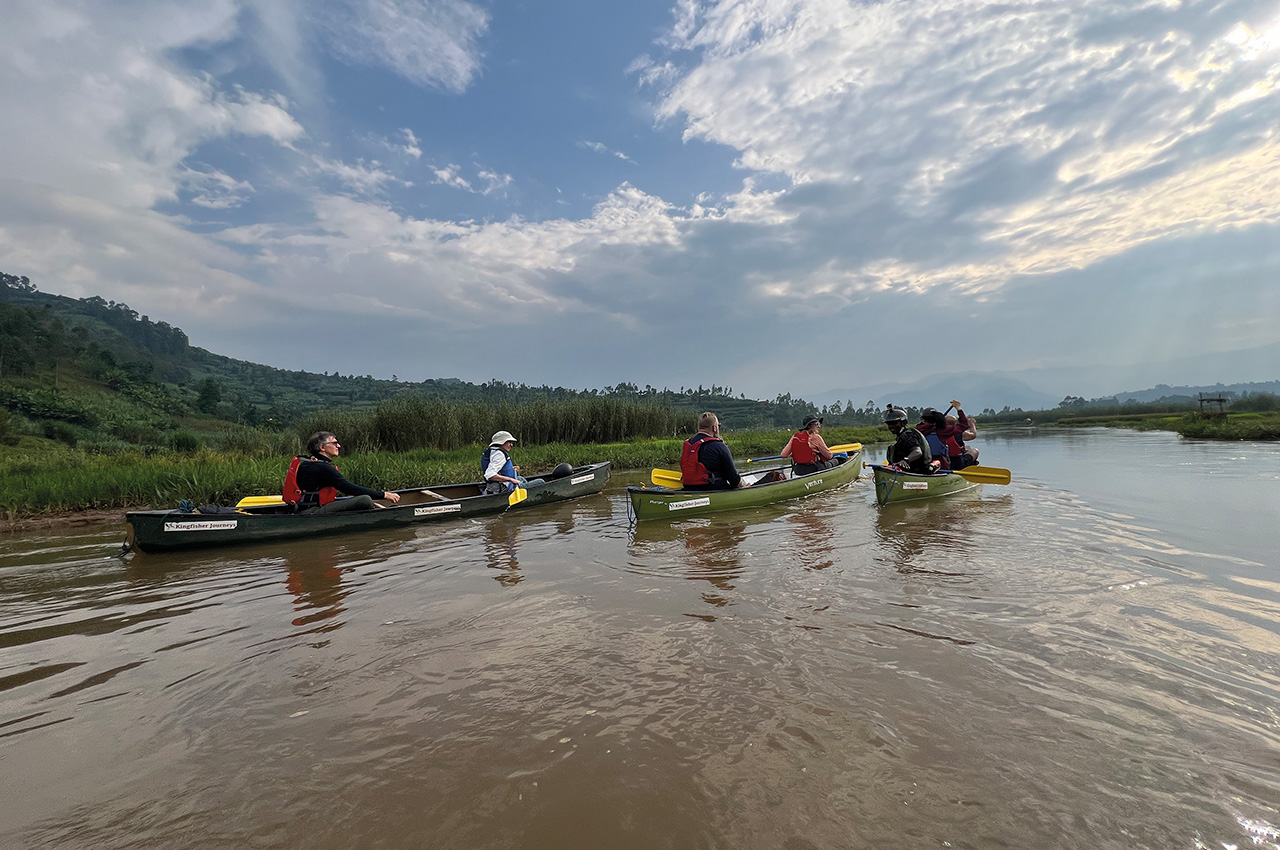
Beginners can join the rafting experience but must have a guide on board and must start with the lower rafting grades that have little water flow currents/waves.
Always wear a well -fitted life jacket and helmet, closed shoes with good grip, light weight and quick drying clothes that will keep you comfortable and don’t weigh you down if you end up in the water.
Attend the safety briefing before starting the activity, you are taught how to sit in the raft, how to go paddling, what to do when you fall in water and how to respond to any injuries while aboard.
You ought to be honest and speak out whether you know how to swim or not. your confidence will enable the guide to place you where you will safely enjoy the activity and at times offer extra support.
Check out on the weather conditions before setting off. During the rainy season, the river has larger water volumes leading to stronger and faster rapids.
Leave your valuable items behind. Just carry only the light and essential ones which should be put in waterproof bags.
Mental preparedness helps you to manage sudden moments. you should at least know the basic safety signals, understand how to rescue – floating on your back, some operators provide first aid kits.
The best time to go rafting in Rwanda
The country has two main rainy seasons: from March to May and from September to November. During these rainy seasons, the river water levels raise making waterfalls stronger. This is a great opportunity for experienced rafters seeking a more challenging experience. However, for the beginners and those who want a calmer atmosphere, the dry season might be the best. The dry seasons run from June to August and December to February.
Therefore, which ever season of the year, with Rwanda’s moderate equatorial climate, you can go rafting. As the rainy season provides a beautiful green scenery, the dry season exposes the river’s natural features like pools and hidden rocky formations. All seasons provide a conducive atmosphere for rafting all year round.
Rafting ,eco tourism and conservation
Unlike other crowded adventures, rafting is centered on a smaller scale whose equipment focus only on river flow, no large-scale land developments like building or exceptional environmental setups, this helps to maintain the natural look of the landscape.
When the river becomes economically important due to tourism, local communities and government authorities come in to protect it from any destructions and pollution from nearby economic activities like agriculture, deforestation and all kinds of pollution. This makes rafting more than a reason to protect the environment.
When members of the local community get involved as local guides, drivers and support staff, its a direct economic benefit and get highly motivated to protect the river and its natural surroundings.
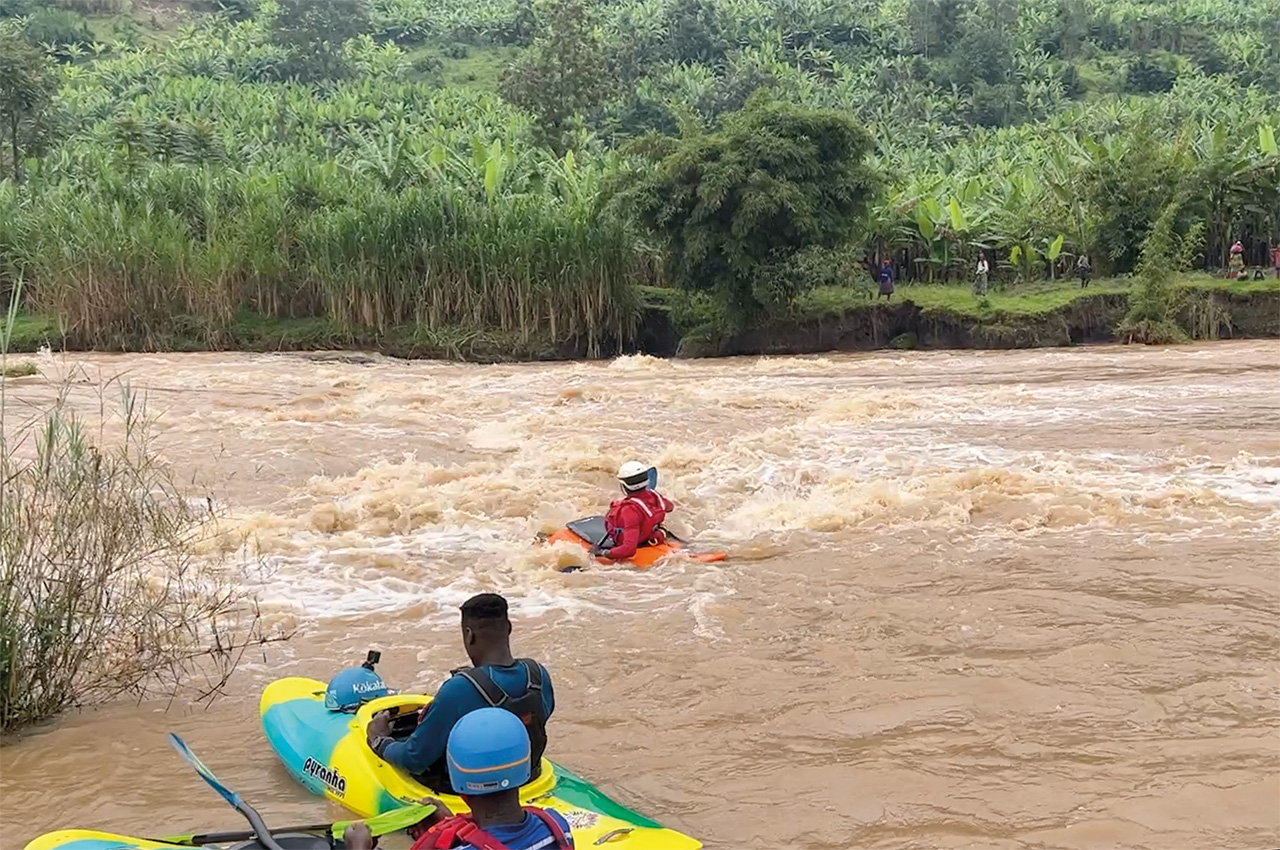
Guides always share important information with about the ecology, biodiversity and conservational challenges in the area. Visitors get to adopt to the environmental behavior, interact with the locals, and witness culture and tradition.
Rafting is water and environmentally friendly as it doesn’t require the use of fueled motorboats that can lead to water pollution.
Rafting strengthens partnerships between tour operators, communities and conservational organizations for eco friendly tourism.
White water rafting on Mukungwa river is more than just a thrill ride, but an opportunity for people to get to know Rwanda’s river landscapes, connect with locals, and learn about the country’s environmental conservation efforts.
After the rafting adventure, tourists can tailor their itineraries for a longer stay in Rwanda and visit nearby tourist destinations/attractions like Volcanoes National Park, Lake Kivu, Nyungwe Forest National Park, and Akagera National Park.
Combining your rafting adventure to the wildlife and cultural encounters makes your Rwanda safari worth and unforgettable.