
How gorilla tracking benefits conservation efforts in Rwanda.
Rwanda’s dedication to ecotourism and conservation efforts has made it one of the most renowned gorilla tourism/tracking destinations. In addition to offering an exceptional vacation, gorilla tourism in Rwanda focuses on the endangered mountain gorillas in Volcanoes National Park. As the major force behind regional conservation initiatives. Rwanda is an example for sustainable wildlife tourism because it has successfully protected its gorilla populations through ecotourism, community involvement, anti-poaching efforts, and environmental protection.
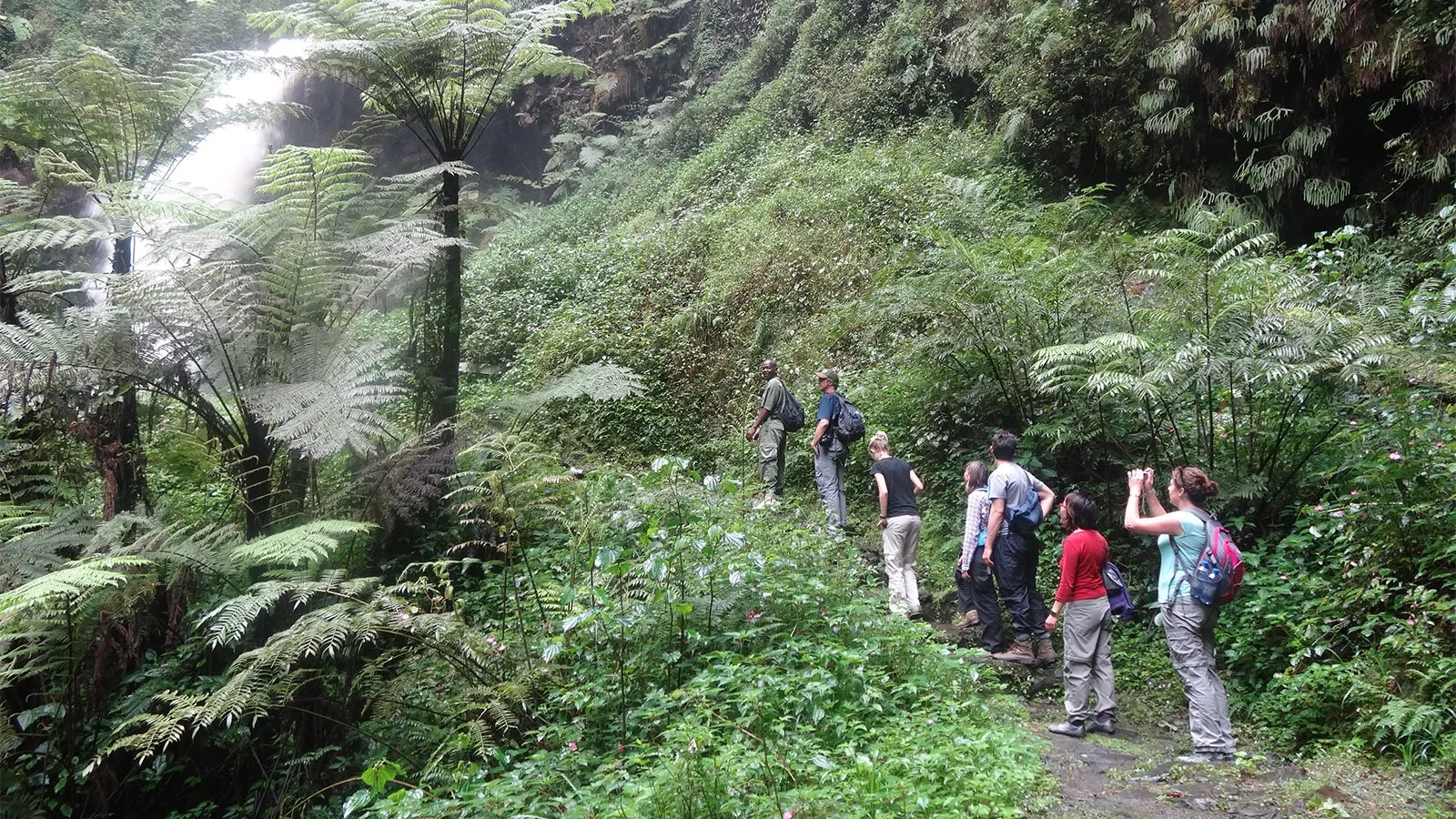
Gorilla tracking is an authentic experience that gets humans closer to the gentle giant apes in their natural habitat. The excursion involves venturing into misty park jungles through undulating terrain and thick undergrowth for several hours until you meet the gorilla family. in groups of 8 trekkers, armed rangers guides and porters, visitors are briefed at the park center and later led to track the gorillas. The trek lasts for 1 to 6 hours depending on their location including the one hour recommended to spend in their presence.
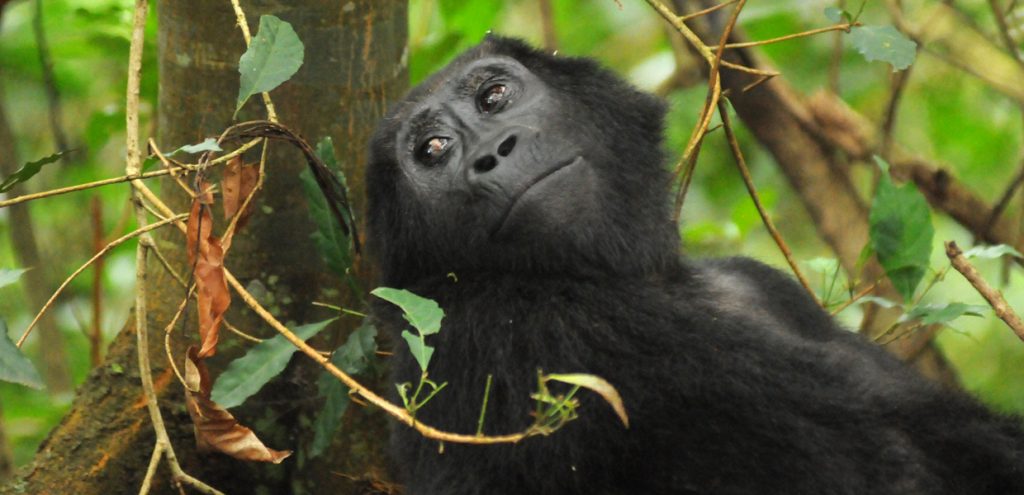
Guests must be 15 years and above, have the necessary trekking gear, are physically fit, undergo medical check ups to avoid transmission of diseases to the precious primates which share 98% of human DNA.
Conservation efforts in Rwanda are far rooted from the efforts of Dian Fossey. She was an American primatologist and conservationist who is known for having dedicated all her research and effort on mountain gorillas. Her work helped to increase the number of mountain gorillas in the wild mainly in the Virunga massif. In 1967, she established the Karisoke Research centre as a base for her active research. This centre still stands as the highlight for monitoring, research and protection of mountain gorillas in Rwanda.
Dian Fossey spent over 18 years studying and monitoring the behaviour of mountain gorillas, creating ways /methods of habituating them to bring them closer to humans. Today, Rwanda is financially benefiting from her efforts as gorilla tracking is the major highlight of many Rwanda safaris.
Gorilla tracking generates conservation funds.
Revenue from gorilla tracking is so significant to conservation. In order to ensure maximum value with minimal environmental damage, gorilla permits are carefully priced at $1500 per person and only 8 tourists are limited to visit a particular gorilla family per day. The funds raised from tracking helps to support with research, veterinary care, habitat preservation, and anti-poaching patrols. This revenue is also used by groups like wildlife authorities and conservation partners to monitor gorilla populations and act fast in cases of dangers like illnesses, injuries, or illicit activities.
Strengthen monitoring and protection
Trained rangers and trackers, daily must visit the habituated gorilla families to conduct gorilla tracking and other monitoring procedures. Tracking enables conservation staff to detect issues early enough and discourages poaching. Rangers can notice gorilla population fluctuations over time, treat injured gorillas, and remove any capture devices placed by poachers. This strict monitoring and protection process has led to the gradual increase of mountain gorilla populations in the Virunga ranges in the past few years.
Supporting the local community
Without the collaboration with the local communities, conservation programs cannot be successful. Here in, the local population receives a portion of the gorilla tracking funds through community development initiatives. In Rwanda,10% 0f the funds from gorilla tracking help to support the community through construction of roads, schools, health facilities, and water projects. Additionally, guides, porters, rangers, lodge employees, and artists are employed by gorilla tourism. this helps them to maintain good standards if living thus help to encourage habitat conservation and advocate for protection of the gorillas.
Reduced poaching through providing alternative livelihoods.
Some people in the area close to the gorilla park relied on poaching or forest exploitation before gorilla tourism was emphasized and made highly recognized. With the introduction of gorilla tracking, former poachers and forest encroachers have become employed as rangers, guides, porters and conservation workers. This change minimizes the stress on forests and supports long-term ways to generate a living and promote vibrant ecosystems.
Gorilla tracking promotes global awareness about conservation.
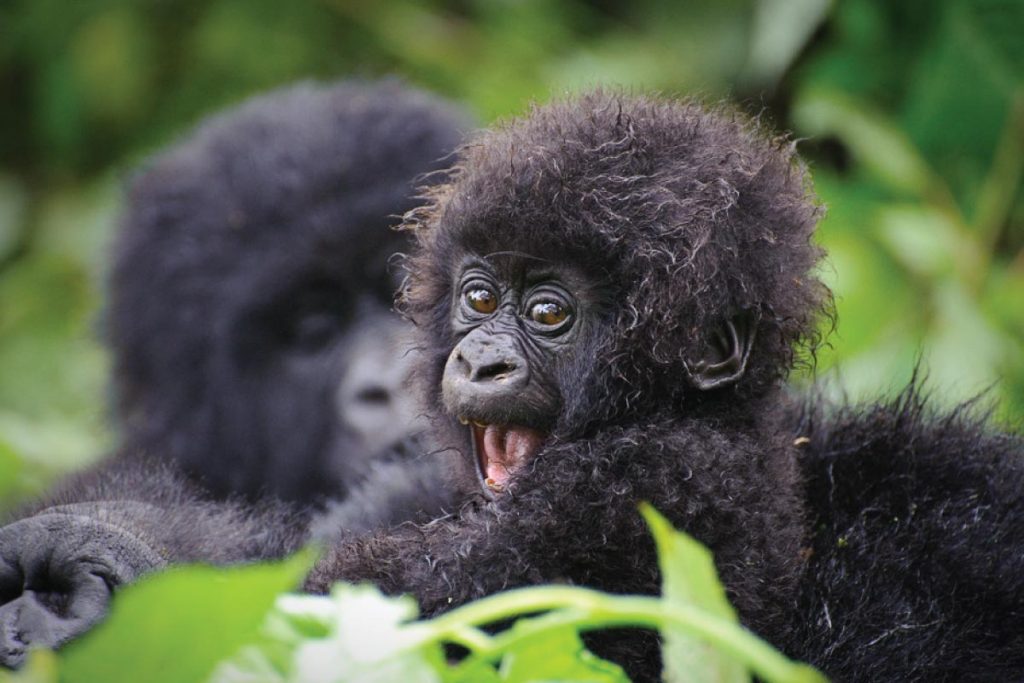
For international travellers, tracking gorillas is more than seeing wildlife, but an intensive lesson in conservation. Getting closer gorillas in their natural environment makes people feel connected to them in ways that make them want to protect wildlife even after they get back home.
Many trekkers later become activists for gorilla protection, giving money to groups that work to protect gorillas or telling others about the goodness of the gorillas and dangers they face. This worldwide group of knowledgeable fans makes Rwanda’s conservation efforts stronger.
Gorilla tracking in Rwanda is more than a tourism experience but a great way to expand conservation efforts. It is a show of how humans interact with wildlife for protection benefits from one another.