
Genocide Memorial Sites in Kigali
Genocide Memorial Sites in Kigali: There are several memory centres for the Rwandan genocide all over the country. Some are more popular than others for remembering the events of 1994, but all are symbols of the genocide era and advocate for remembrance, peace and reconciliation. It is said that over 800,000 people were killed in 100 dark days that started in April 1994. These places have displays of the massive graves, bones, pictures, and personal items like clothes and shoes of brutal murder victims. These genocide monuments serve as a reminder of how horrible the genocide was and an appeal for it to never happen again in Rwanda or elsewhere in the world. The genocide memorial sites are also regarded as places where people can find comfort and emotional healing, as well as a connection to family and friends who lost their lives in the tragedy.
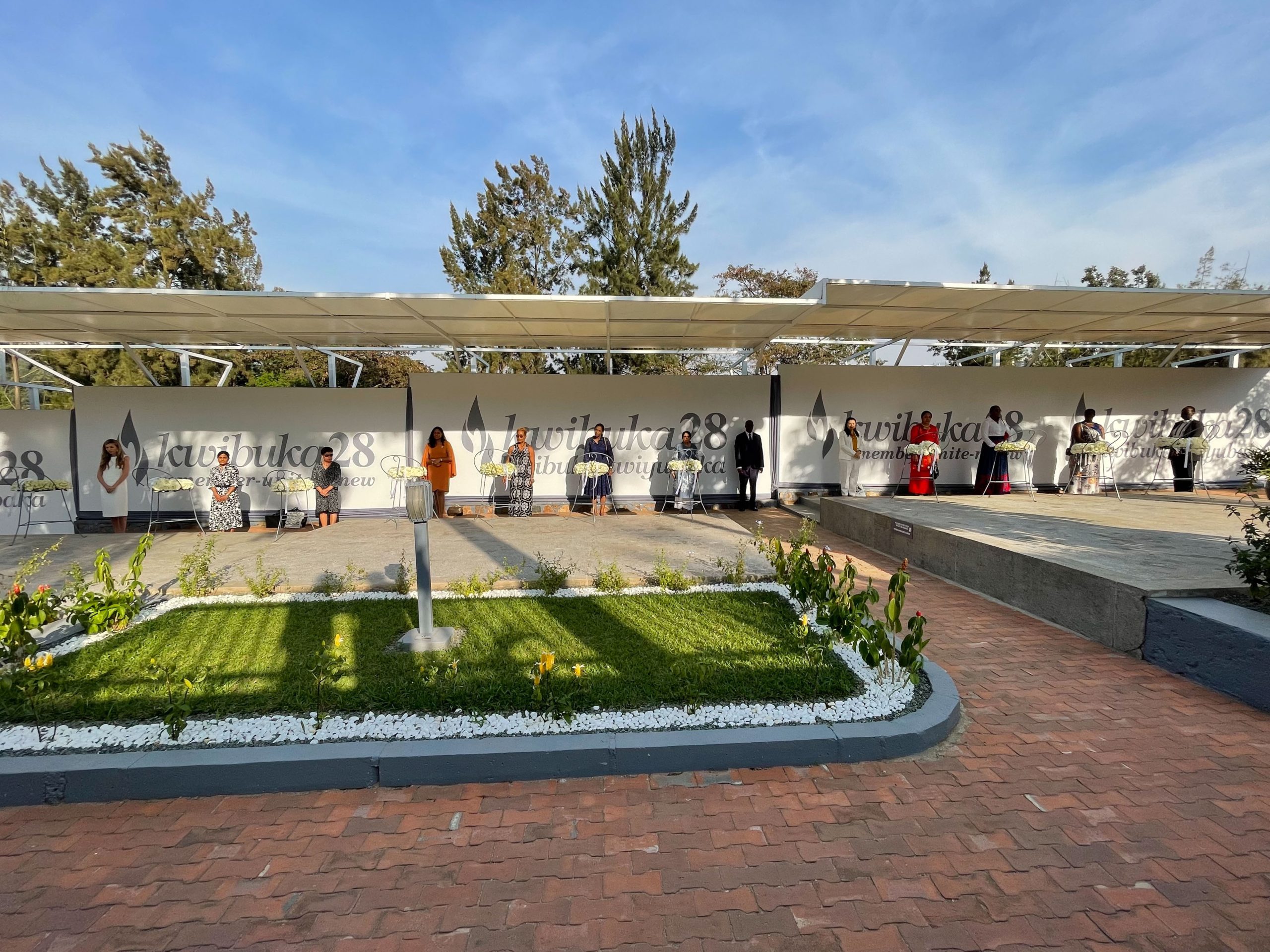
Some of the genocide memorial sites were recognised by UNESCO and listed among the World Heritage Sites and these include, Kigali Genocide Memorial Site found in Gisozi, in Kigali City, Murambi Genocide Memorial Site in the Southern, Nyamata Genocide Memorial Site in the Eastern and Bisesero Genocide Memorial Site in the Western parts of the country.
The genocide memorial sites are visited at different times of the year, but more in April every year which was announced a period of grief in the whole country. From the 7th of April every year, for a full week, many people gather at these memorial sites for prayers and commemoration and pay tribute to the deceased. Below are some of the memorial sites that you can reach out while in Kigali.
Kigali genocide memorial site – Gisozi
The Kigali genocide memorial center is found in Gisozi, which is about a 10-minute drive from the city center. This site is the final resting place for over 250,000 Rwandans who were killed during the 1994 genocide era.
This genocide site is run by AEGIS, a non-governmental organization based in the UK that aims at stopping genocides around the world.
The centre has three main sections with different exhibitions of what happened, how it happened, why, how it was ended, and a detailed explanation of what should be done to maintain peace. The sections include the documentation of how the Tutsi were brutally killed, the second section is for children’s memorial and the third is history of genocides that have happened around the world and advocacy for this situation not to happen again. There is also a small separate room exhibiting the skulls, other body parts, and clothing of the deceased.
Outside the main structure are massive graves where survivors, and visitors come to pay tribute and try to reconnect with their loved ones.
This place serves as a peaceful and powerful education tool for the present and future generation to advocate for peace and reconciliation. Since this place is close to Kigali city, it a suitable and outstanding addition to any Kigali trip itinerary.
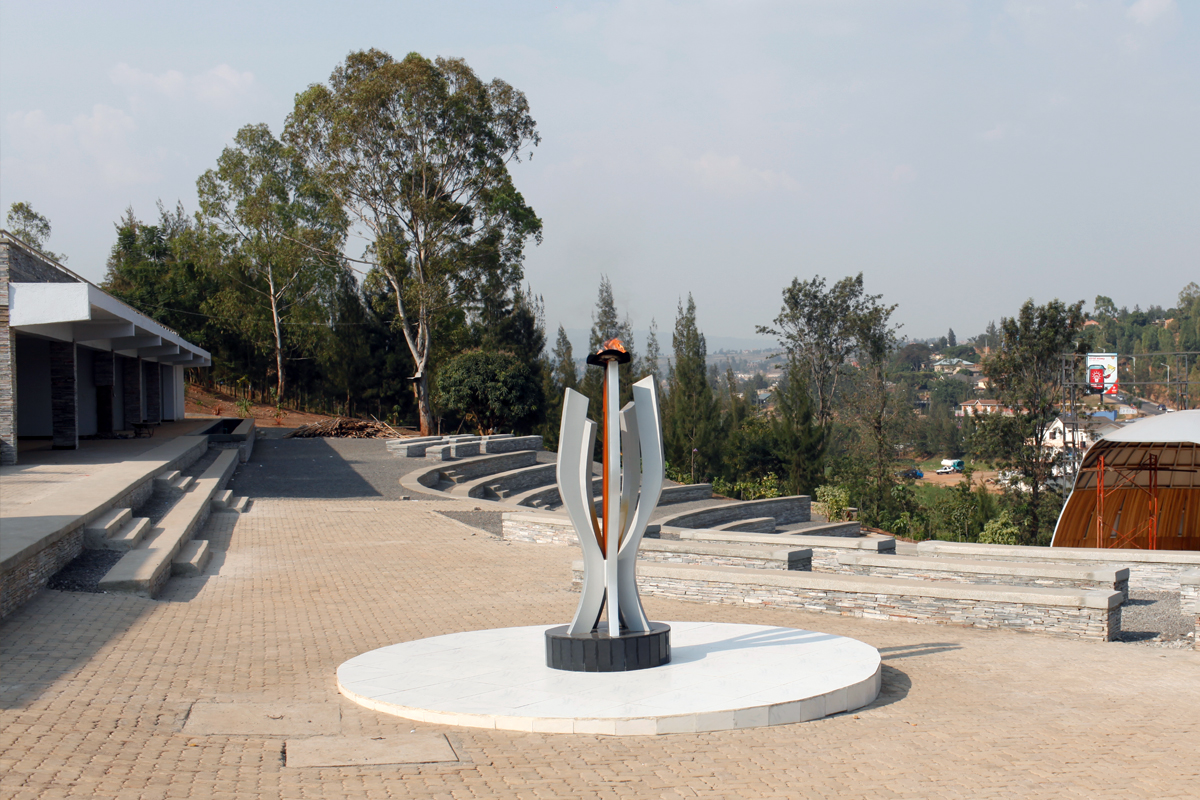
Belgian Peacekeepers Memorial site (Camp Kigali Belgian Monument):
At the Belgian Peacekeepers camp, 10 Belgian United Nations soldiers were killed as they were guarding the then prime minister Agathe Uwilingiyimana at the beginning of the 1994 genocide. on the 7th of April 1994, the Hutu presidential armed guards evaded the prime minister’s home because she wasn’t in support of the genocide. The United Nations soldiers tried to fight for their lives but were defeated and killed. their killings led to the with draw of the Belgian UN forces from Rwanda and the peace makers had to defend for themselves; this ended into brutal murders where over one million people lost their lives within only 3 months.
The Camp Kigali Belgian memorial centre was established and opened on 7th April 2000 to commemorate the lives of the Belgian soldiers. At the centre are 10 pillars to represent the soldiers, each pillar is labelled with a name (written as initials) and age (indicated by horizontal cuts) of each soldier, and the one pillar at the side to commemorate the lives of those who died together with the prime minister in the same house where the soldiers were killed. To date, the building in which they were killed is still well maintained and the holes created by gun shots can clearly be seen.
At this camp, you will get more information about the genocide, and it is one of the places you can visit while on your Kigali City tour.
Nyanza Genocide memorial site (Kicukiro)
When the mass killings began in April 1994, more than 2,000 sought refuge at the ETO school (Ecole Technique Officielle) at the edges of Kigali, where they thought were safe with the help of the UN Peace Keeping force. When the UN troops, withdrew from the school after killing of the 10 Belgian Peacekeepers, the refugees were attacked and led up the road to Nyanza and killed. This place is marked by simple wooden crosses, which represent how the rest of the world abandoned Rwanda during the hard times.
On April 11th yearly, a commemoration gathering /ceremony is held at the spot where the refugees were left alone and brutally murdered. This spot is being changed to become one of the most important memorial sites in Rwanda.
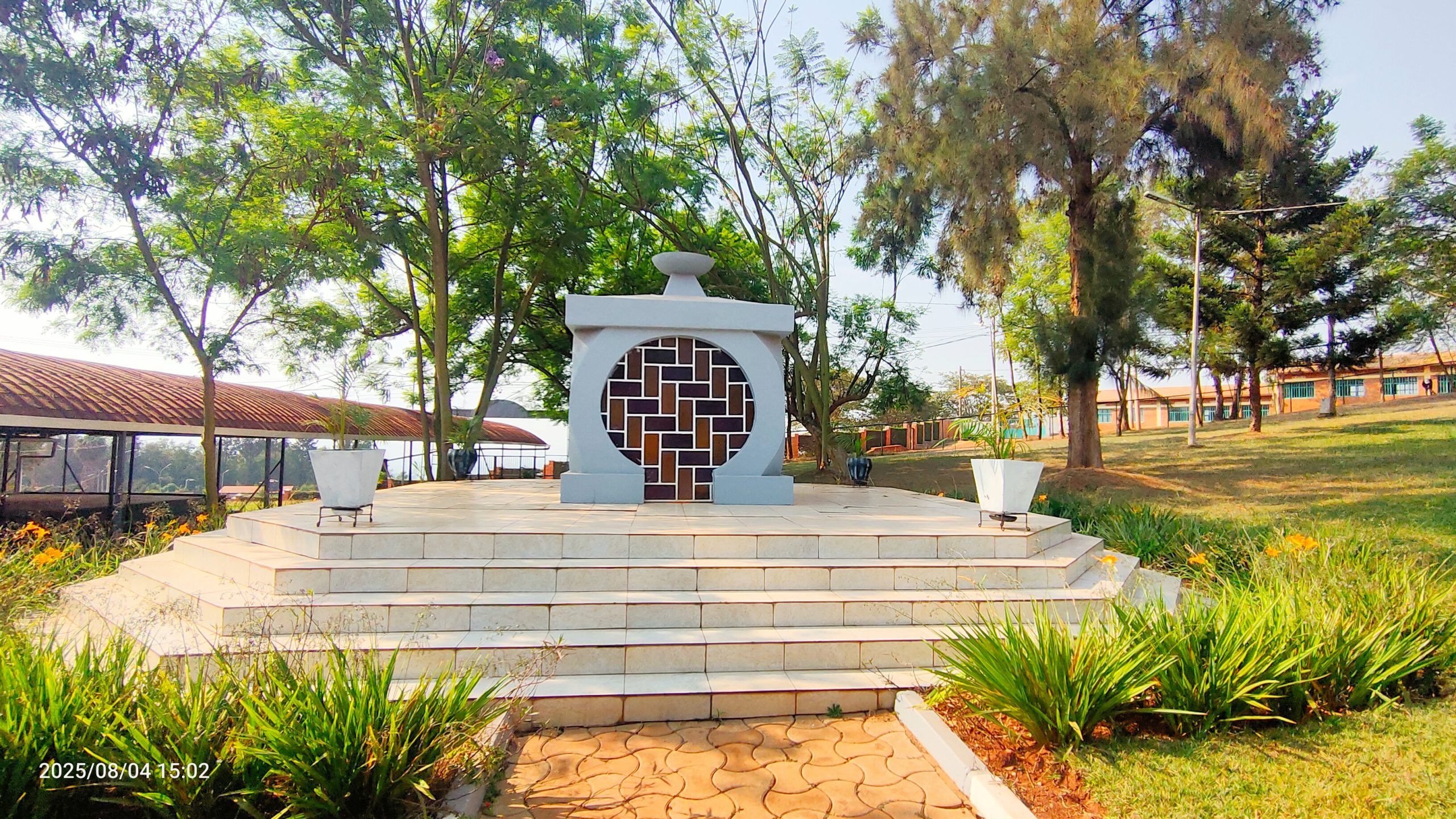
Gahanga Memorial Site
Also located in Kicukiro district in Kigali, this place is at Gahanga catholic church, Gahanga Central. this place serves as a resting place for over 10,000 genocide victims whose bodies were recovered from Nunga and Karembure villages in 2023.
In Gahanga sector are two other memorials, one below the market at the former sector headquarters that currently houses the Gahanga police station and another in Karembure.
Ruhanga Genocide memorial site:
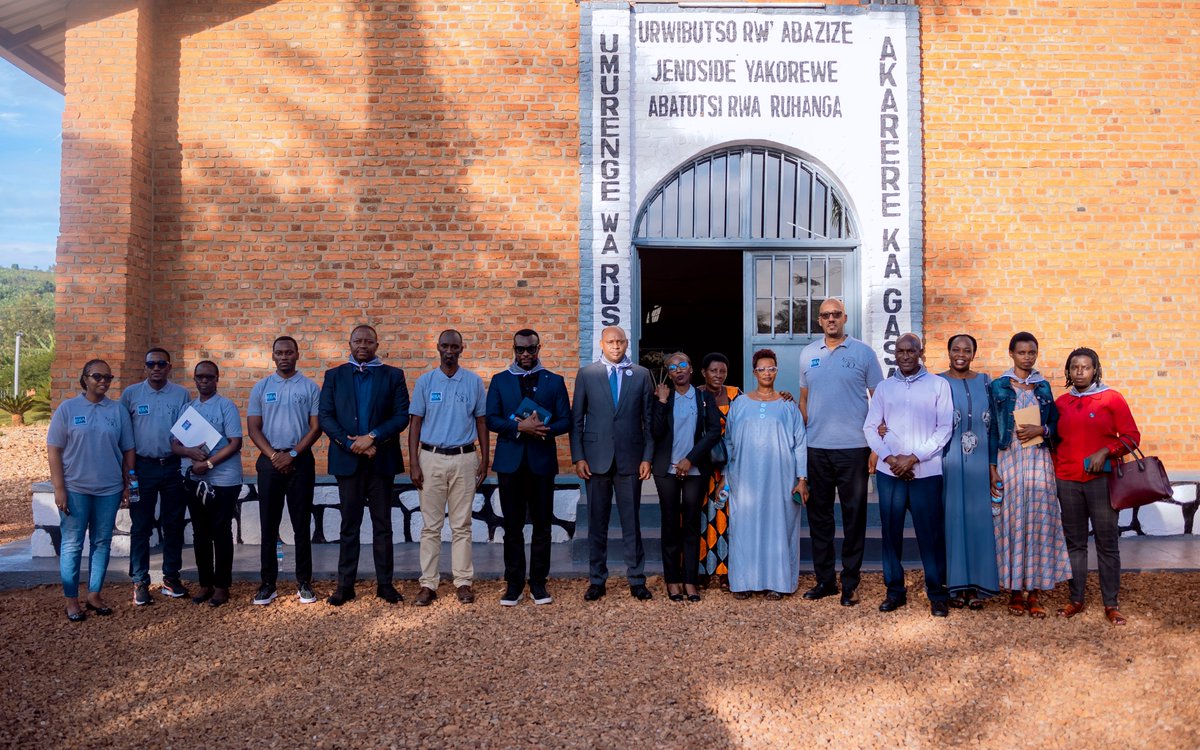
this is a lesser pronounced memorial site also found in Kigali in Gasabo district. It’s the only Anglican church that was converted into a memorial site. inside this church, over 25, 000 people were killed as they had sought refuge. It is currently a final resting place for more than 37,000 victims including those whose bodies were collected from the nearby places. A massive grave was built inside the church.
Rebero Genocide memorial site:
This place is the final resting home of over 14,400 Tutsi bodies and politicians who were killed for their opinions against the genocide ideology.
Other memorial sites are located in different parts of the country – out side Kigali in different provinces. They are all regarded as places for mourning, education, reconciliation. These sites are of global significance and events known as “Kwibuka”-annual commemoration are conducted annually as an essential part of understanding how Rwanda has transformed to a peaceful country but still honouring the loss of the lost souls.