
Coffee Plantation Tours in Rwanda.
Rwanda’s coffee ranks 95% in the world on average, making it one of the most important cash crops due to the country’s strategic location beneath the equator, high elevations, mountains, rich volcanic soils, and reliably warm weather. With a smooth, creamy body, delicate hints of lemon and orange blossom, and a caramel aftertaste, it is also commonly considered the best coffee in the world. Rwanda’s volcanic soil, high elevations, and steady rainfall make it the ideal place to cultivate coffee. These elements enable the coffee beans to develop gradually, which results in a unique flavor.
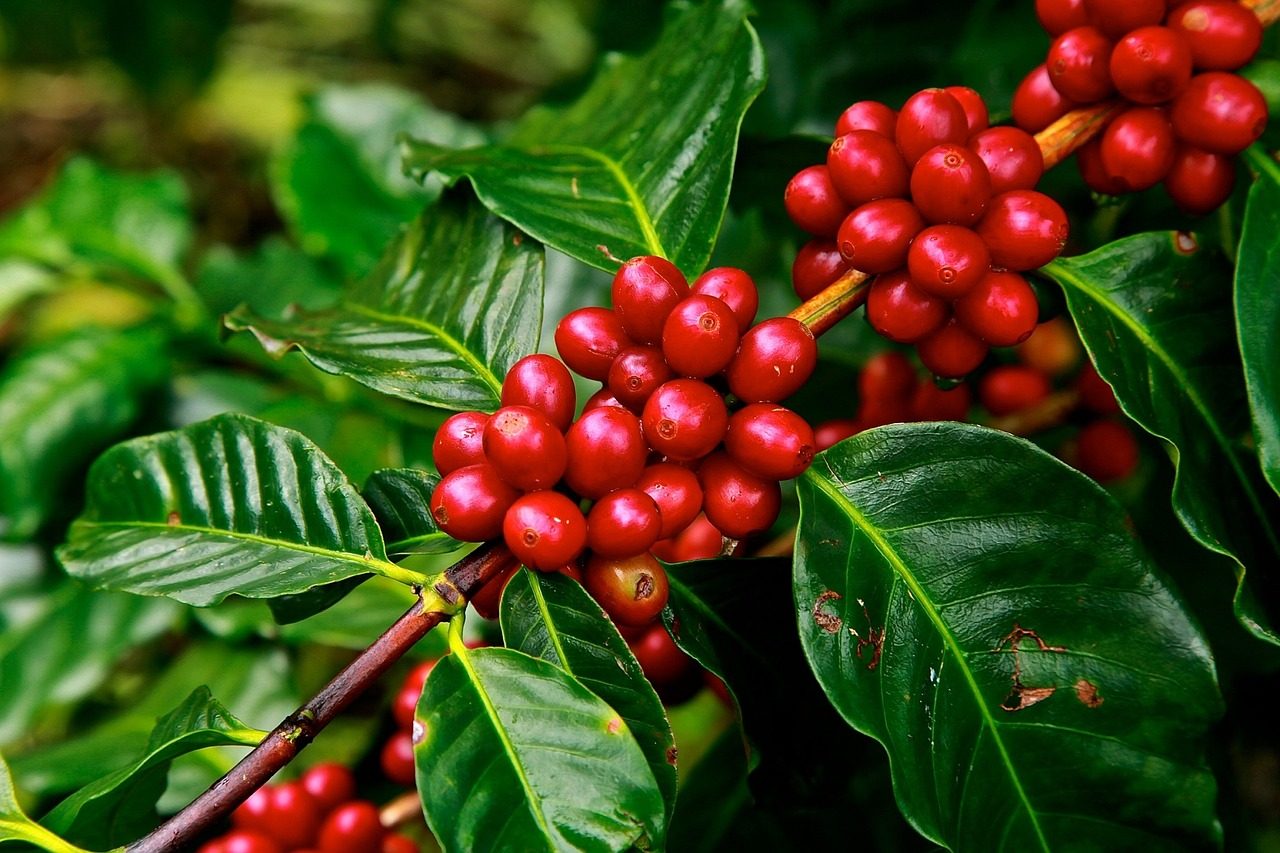
Scenic coffee experiences in Rwanda.
Coffee tours in Rwanda not only expose you to the organic manufacturing processes but also the breathtaking beaty of the of rolling landscapes surrounding the coffee plantations, thus making every coffee trip interesting and immersive.
Rwanda coffee tours offer best experiences at different washing stations around Lake Kivu. The Kinunu washing station is right on the shores of Lake Kivu and can be reached by boat or bicycle. The Ingoboka cooperative close to Kayove located on Nyamirundi Island is a notable place for coffee experiences. In the south-western part of the country is Huye mountain coffee farm /plantation.
Kinunu Coffee Washing Station
The Kinunu Coffee Washing Station is a famous coffee tour spot , along the shores of Lake Kivu. This coffee station draws in visitors with its sustainable coffee bean processing and outstanding product quality. Friendly and knowledgeable guides take guests through the coffee fields, followed by workshops on how coffee beans are transformed into delicious drinks, along with a demonstration of washing and drying techniques.
At Kinunu coffee station, some labor is performed manually; the cherries are carefully hand sorted to guarantee that only red cherries are selected. The beans are pulped on the same day, typically in the evening, through a pulping machine that sorts them into three distinct categories. Following the pulping process, the coffee undergoes fermentation for about 12 hours overnight. It is then graded once more using flotation channels that classify the coffee by weight, with the heaviest considered the finest.
The beans are soaked for an additional 24 hours before being moved to raised screens for manual ‘wet sorting,’ a process largely done by women. The sorted beans are ultimately sun-dried on elevated screens (‘African beds’), sorted several times and and later taken for grinding. Visitors to the coffee station can enjoy fresh Rwandan processed coffee and also buy some seeds and processed products for carry home.
The Ingoboka cooperative on Nyamirundi island.
Nyamirundi Island provides an impressive opportunity to explore coffee plantations that are handled by the Ibongoka Rwandan Cooperative. The cooperative comprises more than 2,000 members who operate small coffee plantations on the island. Once you visit the island for your coffee tour experience, you will have the opportunity to interact with local producers, participate in informative sessions that cover every stage of production from crop to cup, as well as the coffee growing process. This entails the selection of ripe coffee beans and the subsequent transportation of these beans to the washing station, where they are rinsed, sorted, pulped, fermented, and graded according to the required quality standards.
The unique coffee roasting and tasting that are always done at the end of your visit are a true definition of Rwanda’s unique, elegant, and fine coffee that is consumed worldwide.
For visitors who cannot make it up to Kinunu, KZ Noir arranges visits to their washing stations. These stations obtain their coffee from the cooperatives on the islands to the mainland. the stations located on the northern shores of Lake Kivu include Cyebumba, Rugamba, and Nkozi, south of Karongi is Cyivugiza, Shangi, and Cyiya. Buliza washing station is located between Kigali and Gicumbi.

Huye Mountain Coffee farm
This is private coffee washing station in the southern part of Rwanda. It was established in 2012 to provide local framers access to international markets and buyers of specialty coffee. The farm benefits more than 1330 farmers who deliver their cherries to 26 collecting stations for processing.
Huye Mountain Coffee aims at encouraging the growing of coffee as a cash crop in the region, integrating coffee farmers into profitable and savings associations, and improving the quality and quantity of coffee crop production through using the most effective agricultural practices.
A tour to the Huye Coffee Washing Station, which is located right on the farms, provides a firsthand understanding of coffee growing and production as you will have to walk along the farms for your experience. Hiking up the mountain to the coffee farms exposes you to the scenic beaty of the surroundings and the layout of the farms. The in-depth of the tour to Huye Mountain Coffee Farm demonstrates how coffee is grown, harvested, dried, roasted, ground, packed, and finally delivered to our consumers.
Nyamyumba coffee station
Nyamyumba Station was built in 2006 in the Rubavu district, Rwanda. It has the capacity to process up to 496 tons of cherries every year. The coffee supplied to Nyamyumba station is cultivated on fertile volcanic clay soils on the elevated slopes (1500m – 2000m) of the Congo Nile Trail, which covers over 277kilometers. Each farmer who supplies the station is allocated roughly 400 trees to maintain.
Cherries are hand-picked by farmers and sent to the Nyamyumba washing station. Employees at the station manually sort and float the coffee upon intake to get rid of any low-density beans. The ripe cherries are spread out in a thin layer on sun-dried raised beds, which are changed often to promote even drying and later processed.
For sustainability and maintenance of the station, farmers are trained by Kahawatu and Sucafina Rwanda to uphold to the high standards of the produce. When the coffee is sold, farmers are are rewarded annually with bonuses to help them keep focus to production.
On you visit to this coffee station, you will also have exposure to the beautiful rolling hills, clear waters of Lake Kivu, and the land being surrounded by Gishwati National Forest.
What to expect on a Rwanda Coffee tour experience.
A Rwandan coffee tour provides visitors with a deep study in coffee growing from sowing seeds, sorting, to tasting (crop to cup). Visitors may witness how the care and attention of farmers result in high-quality coffee
Visitors get to interact with the local farmers as they take them through the different coffee production steps.
During some trips, you’ll get the opportunity to choose your own coffee cherries and use traditional roasting tools. This helps them feel part and partial of the coffee processing, thus leaving them with moments to cherish.
Best time for Rwanda coffee tours.
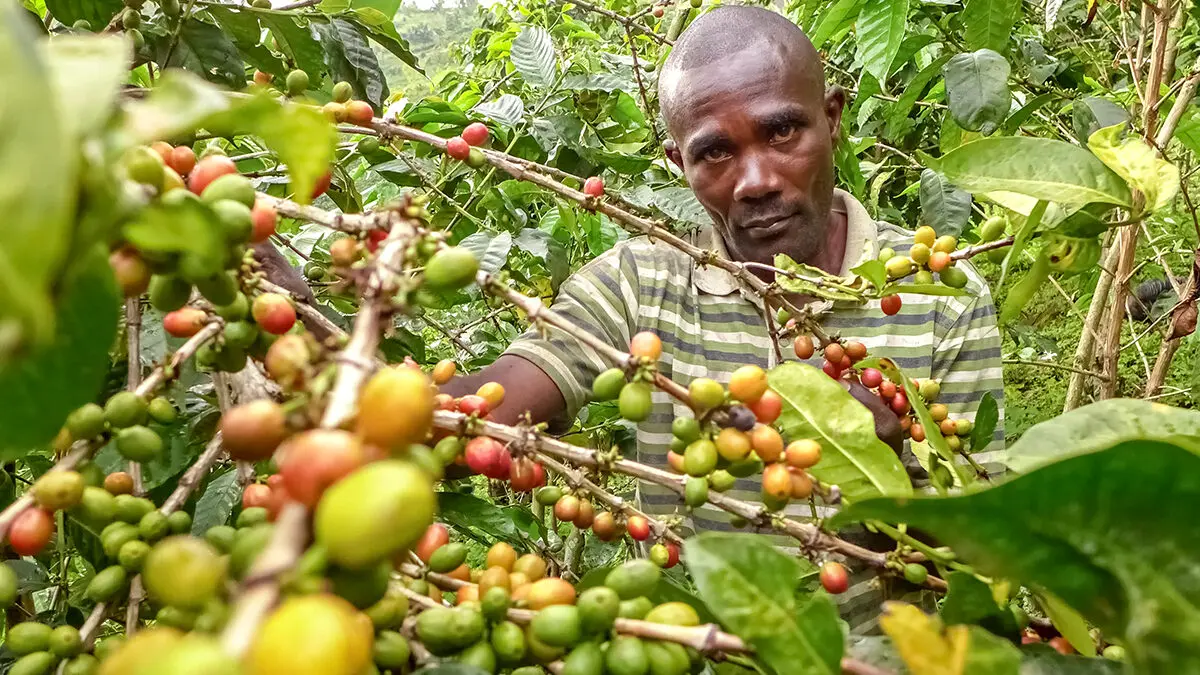
The best time for a Rwandan coffee tour is basically the harvesting season. It’s during this time when the coffee berries are area red. Each dry season between June-September and December-February works well for coffee tour activities because visitors experience proper weather conditions.
Visitors get a chance to join the farmers to pick the beans. If you visit during the budding season, when the beans are still green, you might not be able to pick them, but you can help with other steps of processing at the washing stations.
The different coffee walks in Rwanda show the difference between the areas around Lake Kivu and the southern region compared to other parts of the country. Whether you want to have a taste of rwandan coffee or just to learn more about how it’s made, Rwanda’s coffee tours will offer the best experience.