
Best time to spot wildlife in Akagera national park – Rwanda
Akagera National Park is Rwanda’s only savanna park and one of East Africa’s rewarding tourism destinations. It comprises a breathtaking ecosystem covered with vast savannas, rolling hills, woodlands, lakes and swampy wetlands. It’s a premier destination, rich in wildlife, home to the “big five”- lions, elephants, buffalos, leopards and rhinos, plus other wild animals and several bird species.
The park offers wildlife views throughout the year with experiences from game drives in the savanna grasslands, boat cruises on lake Ihema, guided nature walks and other amazing activities. With the ongoing conservation efforts, a visit to Akagera National Park is a guaranteed success.
Though the park is always open and wildlife viewing possible all year round, timing is so crucial as this will help you understand the climate, wildlife dynamics, and the best conditions for you to conduct your safari to this park.
The climate of Akagera National Park
With high elevation, of most parts of Rwanda including Akagera National Park the country experiences warm weather all year long. Nevertheless, there are two main seasons of the year that affect safaris: the dry season and the wet season. the seasons do not only affect safaris but also wildlife movements and vegetation growth.
The long dry season lasts from June to September. There is also a shorter dry season from December to February. The long rainy season lasts from March to May, and the short rainy season in October and November. Each of these seasons offers a different opportunity for safari-goers to see different animals and the best photographic moments.
Therefore, which ever season you plan your visit, you are assured of a successful exploration. Your visiting time is determined by your interest
Seasonal breakdown:
The dry season (June to September and December to February):
The peak/high season, best for classic safaris.
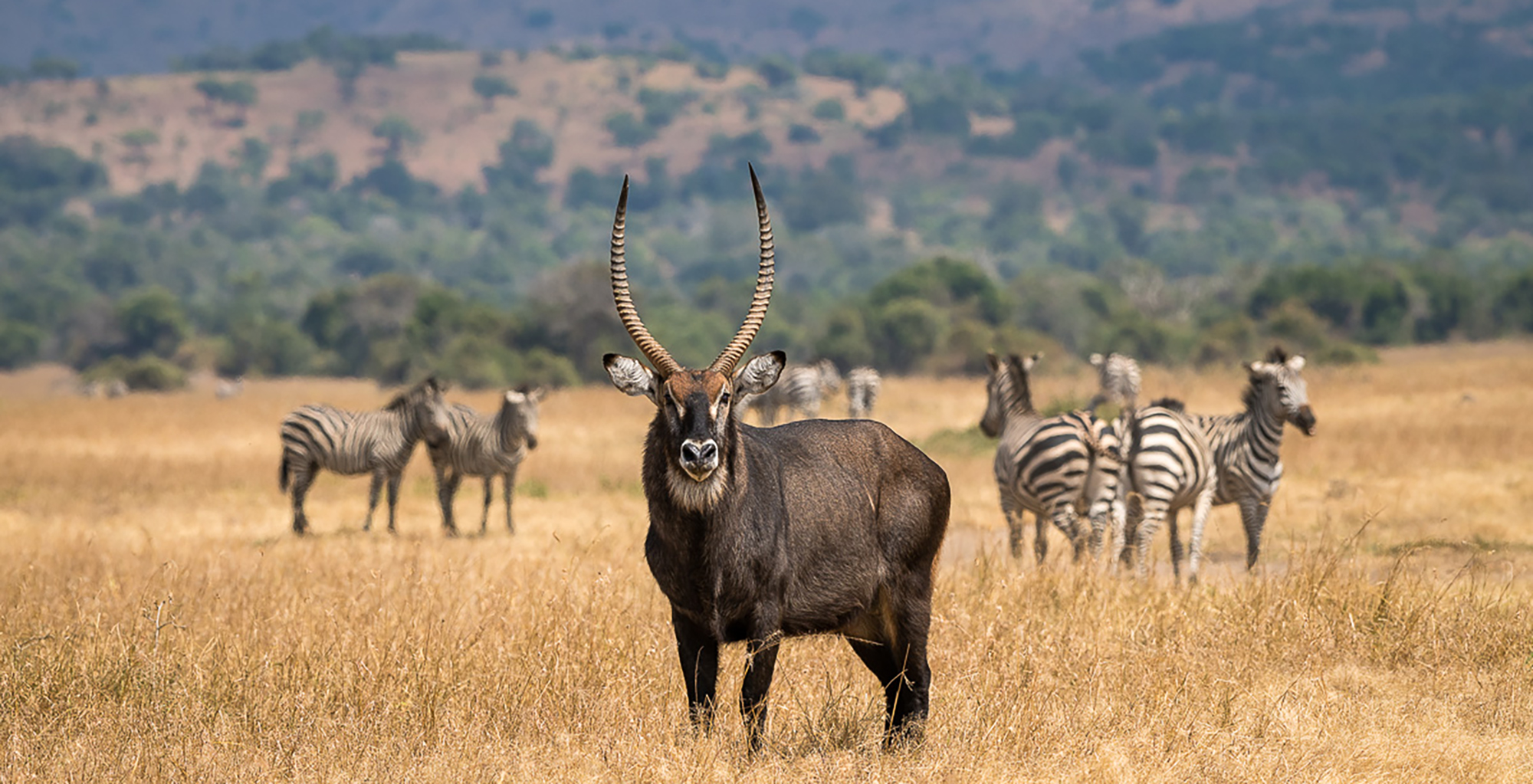
Many travellers agree and consider this as the best time to go on adventure in Akagera. At this point in time, the plants are getting thinner with little vegetation growth, which makes it easier to spot animals in the savannas and woodlands.
Animals tend to gather near water sources especially around Lake Ihema,
In the northern plains and the surrounding vegetation, you will see large numbers of animals and predators in action.
During the dry season, the land turns a warm golden colour as the sun shines beautifully.
It’s also easier to navigate through the park, though the dusty, they are firm and manageable.
The weather is conducive: warm during the day and cool in the early morning and late evening, hence providing the best conditions for full- or half-day game drives and boat trips.
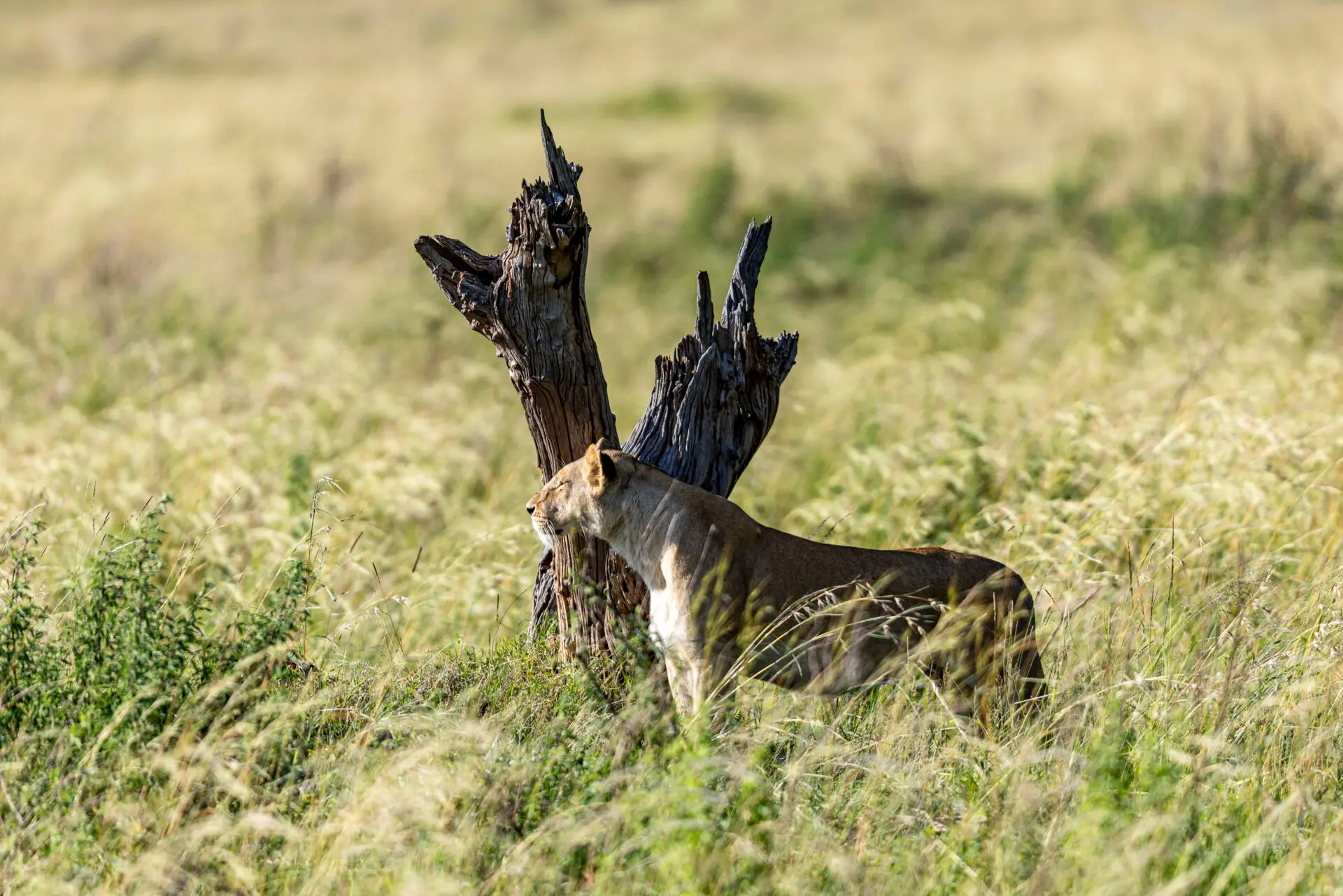
Big cats like lions and hyenas are easier to see as they roam in open savanna areas.
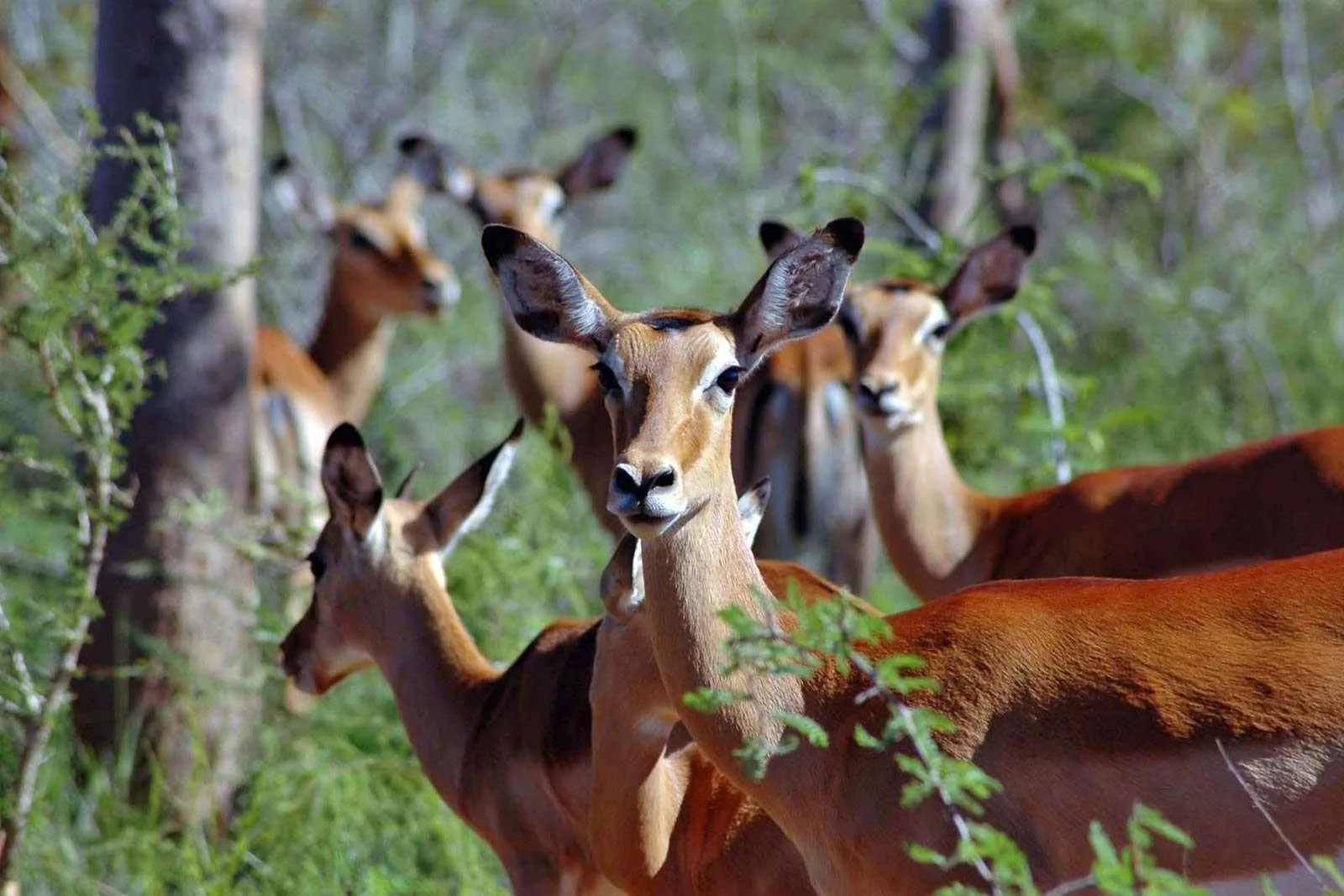
During the dry months, elephants, zebras and antelopes are often seen around water sources., they are very impressive to see. Herds of buffalo giraffes, impalas, Topis, waterbucks and other animals can be seen graze gracefully in the vast savannas.
If you opt for a night game drive during this season, you will easily spot nocturnal as the moonlight falls on the sparse/ short vegetation.
Though the dry season fetches high crowds of travelers; it is considered the best time for visiting Akagera National Park for both first time and experienced safari goers. It provides the most reliable weather conditions and animal sightings.
The wet season (March to May and October to November)-
The low season, lush green- perfect for photography and birding.
The rain brings new life to the vegetation, turning the plains into lush greenery with beautiful cloud patterns in the sky. The landscape becomes a photographer’s dream with deep contrasts, bright colours, and a feeling of freshness.
Challenges of the wet season.
The grown dense vegetation makes it difficult to spot wild animals.
The tracking trails become muddy and slippery in some areas thus a limitation to access some areas.
The animals cannot be spotted in groups because the vegetation(grass) is everywhere hence no need to move long distances.
Advantages
Birdwatchers find this time so exceptional due to the fruitful sightings of migratory and resident birds.
It is always the calving season for most herbivores; this provides a chance for travellers to see newborn animals and some predators that always hunt for them.
Tourists always get reduced accommodation transport costs.
The rain season attracts lesser crowds; hence the visitors have the park for them selves and explore without interruptions.
The lush green environment is so perfect for photography.
Best time of the day for game viewing.
Regardless of the season, the time of the day you move out for your adventure largely determines the place and the type of animals you spot.
Early morning hours (6:00am – 9:00am): This time is so fruitful for game drives as the night hunters (mainly carnivores) can be spotted as they return to their hideouts, the day grazers (mainly herbivores) are coming out to start the day.
The temperatures are cooler and many animals are so active.
Midday (11:00am – 1:00 pm): Animals are less active and resting due to the intense heat, this makes game drives unproductive.
Late Afternoon (4:00pm – Sunset): This is another excellent moment for wildlife sightings. As the sun goes down, temperatures start cooling, more animals can be spotted at water sources taking their last sip of the day, others are seen returning to their hideouts, the aquatic animals like the hippos and crocodiles surface up to enjoy the last warmth of the sunshine. Photography is so nice due to the softer light of the setting sun.
Night Safaris: These provide opportune moments of spotting nocturnal wildlife like lions, leopards, hyenas, civets, bushbabies and owls among others.
Tips for maximizing your wildlife sightings in Akagera
- Embark on early morning and late evening game drives for the best chances of spotting wildlife.
- Book accommodations within or close to the park. This will allow you have longer hours of exploration without thinking about the long drives to your lodge.
- Carry binoculars and good cameras for the best photography.
- Staying close to the northern sector of the park provides higher chances of exploring the Kilala plains that have the highest concentration of wildlife.
- Take guided game dries as the guides know the areas with high concentration of wild animals.
- Multiple game drives enable you have sights of animals you missed on the previous day.
- Combining game drives and Lake Ihema boat cruise exposes you to aquatic wildlife like hippos, crocodiles and water birds.
In conclusion,
When is the best time to visit Akagera National Park for wildlife sightings? This largely depends on your interests. The dry season is considered best for seeing classic game safaris and is easy sights of animals. The wet season also has its own charm, with lush scenery, lots of birds, and a calmer atmosphere.
No matter what time you go, Akagera will offer you a diverse and evolving wildlife experience that tells Rwanda’s amazing conservation success story.