
What to avoid when trekking gorillas
Gorilla trekking is one of the most powerful wildlife experiences on earth. Though gorillas are found in different African countries, the most sought-after species are the mountain gorillas that are only found in the Virunga Massif and Bwindi Impenetrable National park of Uganda. The Virunga Massif comprises Mgahinga National Park in Uganda, Volcanoes national park in Rwanda and Virunga national park in DR Congo.
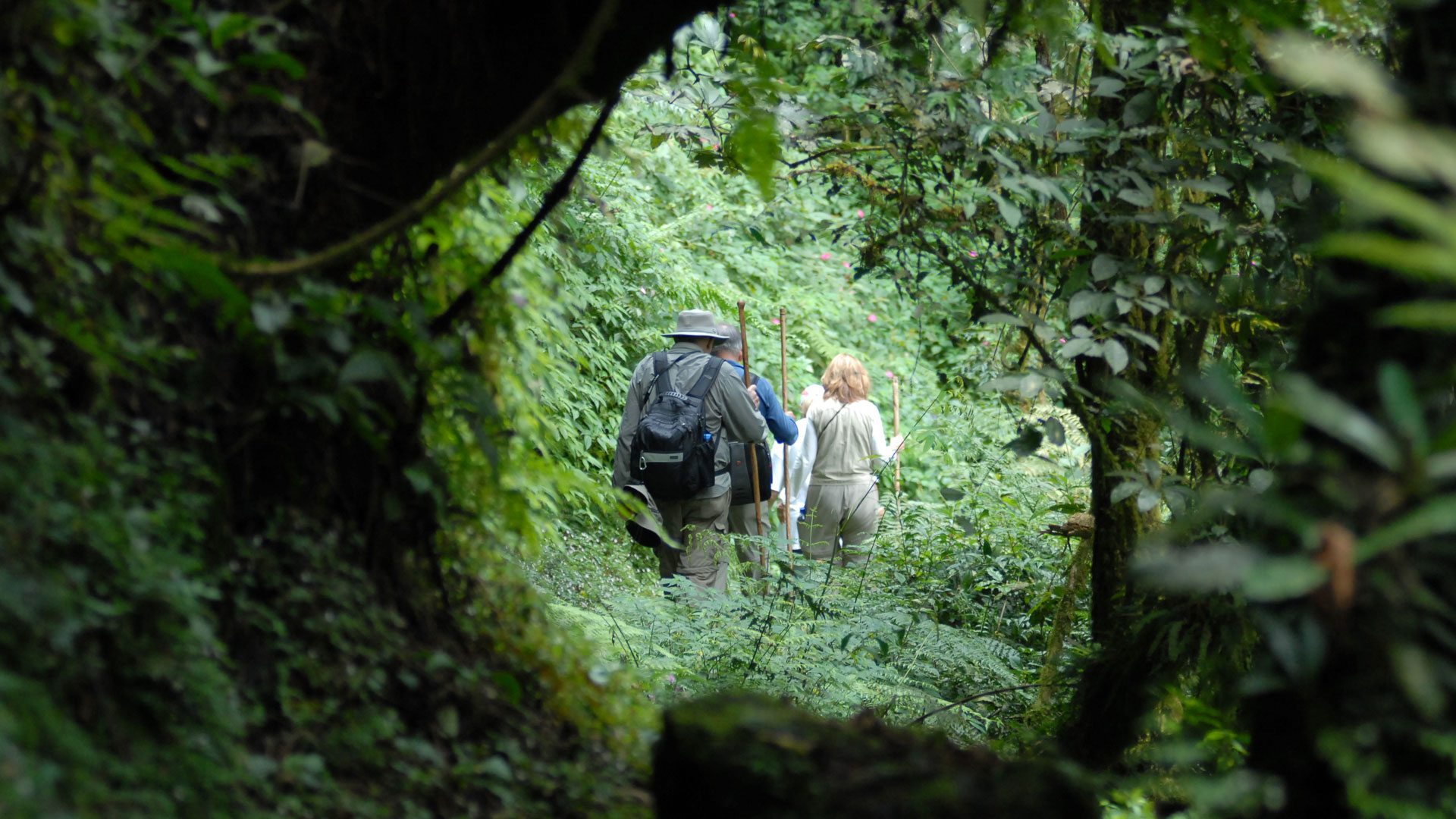
Gorilla trekking involves hiking into the dense forest jungles to search for a particular gorilla family. Armed park rangers lead the treks through temporally trails through the jungle with matches to create better passages for the trekkers. the activity involves crossing small rivers and streams, through dense forests, steep, slippery and muddy grounds. with the final encounter of the gorillas, you are allowed only one hour with them.
Gorilla tracking is an expensive but rewarding and memorable life-time experience. gorillas share 98% of human DNA but are considered endangered primates due to their vulnerability, hence visitors behavior during interaction should be seriously monitored and respectful. Below are some of the thing’s trekkers should know and avoid ensuring a safe and ethical encounter.

Avoid getting too close to the gorillas
Despite their gentle and peaceful appearance, gorillas are strong wild creatures. They may feel threatened if you approach too closely, which raises the possibility of violent behavior. Additionally, it increases the risk of human-gorilla disease transmission. Always maintain the advised distance, of least 7 meters for a safe encounter.
Sudden movement and loud noises.
Gorillas can be frightened by sudden movements, running, shouting, or even continuous whispering. Particularly in the presence of newborns, calm, leisurely motions and quiet attitudes help maintain group relaxation and lower stress levels.
Eating and drinking in presence of the gorillas or leaving trash in the park premises.
The smell of food can attract gorillas and change their normal behavior. Litter, especially food waste, can make the gentle apes sick or get ingestion complications. Avoid eating near gorillas and leave the park jungles with everything and remaining components (trash)of your backpack you brought inside back outside.
Avoid visiting when you are sick
Because gorillas’ immune system isn’t strong enough to resist diseases, simple illnesses like colds and flu can kill them. if you are feeling un well, put off your hike to another day. this helps to protect the gorillas and contribute to conservation efforts.
Avoid direct eye contact
Avoid looking at the mountain gorillas directly into the eyes. To them, this only means, you want to fight or challenge them. Do not stand up when mountain gorillas charge. Instead, squat down and remain quiet to calm them down.
Using flash photography
When taking photos of Giant Apes during the hour of encounter in their natural habitat, flash cameras should never be used. Not only do flashlights frighten these animals, but also irritate them, which makes them agitated.
Always follow park guidelines and regulations.
Before the trekking starts, all trekkers gather at the park center where they are taken through the dos and don’ts of the activity. These rules help to protect the lives of both the animals and trekkers. Failure to follow them puts one at a risk and a way of undermining the conservation efforts.
Avoid last minute bookings of permits because you may be disappointed when you find them sold out. Bookings should be done at least 2-3 months before your travel dates, and this should be through an authorized tour operator.
A trekker should turn up on the exact dates of their trekking day. Failure to do so means cancellation of their permit and the trekking fee is not refundable unless for genuine reasons reported in advance.

Having proper hiking gear like sturdy boots, trousers, gloves, waterproof jackets and others help you to traverse difficult landscape in the park jungles and enhance a successful trek.
Avoid wearing brightly coloured clothes as these may attract the gorillas to get closer to you or even charge at you.
Though gorillas are habituated, this doesn’t guarantee total peaceful encounter. The fact remains that they are wild animals that need privacy in their habitat. That’s why the responsible wildlife bodies in the gorilla countries set a maximum of 8 trekkers to visit a particular gorilla family per day.
All in all, gorilla trekking adventures are available and enjoyed throughout the year on every trekking destination. Basic requirements include reasonable physical fitness, a valid gorilla trekking permit, and one should be 15 years and above to participate in the trekking among others… For travelers planning to trek gorillas in Rwanda, a permit costs $1500 per person, in Uganda a gorilla permit costs $800 and in DR Congo gorilla permits cost $400 per person.